Wire dispatch
The First Spark in a Lab
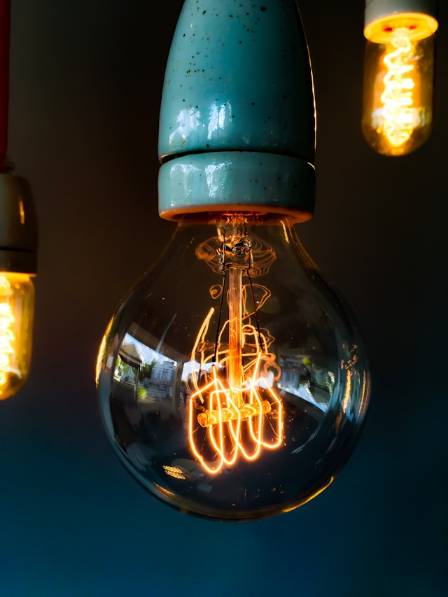
The history of modern civilization is impossible to tell without the story of electric light. From Thomas Edison’s early experiments in a New Jersey lab to the highly efficient LEDs that illuminate our world today, the journey of lighting technology is not just about invention—it’s about transformation. A single spark in a lab more than a century ago marked the beginning of a new era. This article explores how that first spark led us from dim filaments to the glowing future of LED lighting.
Daniel Whitmore
Wire note
Signal tip
The full dispatch write-up continues below on the discovery terminal.
Channel
Discovery Wire
The history of modern civilization is impossible to tell without the story of electric light. From Thomas Edison’s early experiments in a New Jersey lab to the highly efficient LEDs that illuminate our world today, the journey of lighting technology is not just about invention—it’s about transformation. A single spark in a lab more than a century ago marked the beginning of a new era. This article explores how that first spark led us from dim filaments to the glowing future of LED lighting.
Edison’s Breakthrough: More Than a Lightbulb
When Thomas Edison and his team at Menlo Park created a practical incandescent lightbulb in 1879, they weren’t the first to try. Earlier inventors like Humphry Davy and Joseph Swan had developed similar concepts. But Edison’s key contribution was making a bulb that could last long enough to be commercially viable—over 1,200 hours using carbonized bamboo filament.
More importantly, Edison didn’t stop at the bulb. He designed an entire electric lighting system, including generators, wiring, and switches. This ecosystem allowed electricity to become part of everyday life, beginning with the Pearl Street Station in New York City in 1882.
The Glow Evolves: From Filament to Fluorescence
After Edison, innovation continued. The early 20th century saw the rise of fluorescent lighting, which used mercury vapor and phosphor coating to produce light more efficiently than incandescent bulbs. These became common in offices and industrial buildings.
Compact fluorescent lamps (CFLs) followed in the late 20th century, offering higher efficiency and longer lifespans for home users. Still, they had drawbacks: warm-up time, toxic materials, and sometimes unpleasant light quality.
LEDs: Lighting the Digital Age
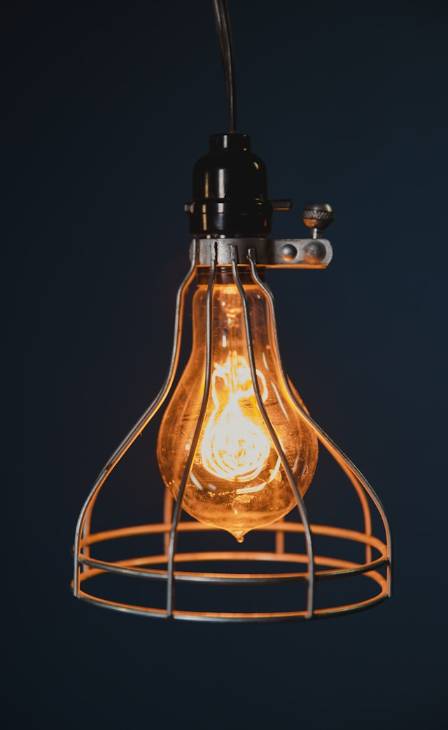
The invention of the light-emitting diode (LED) in the 1960s was a scientific milestone, but it took decades for LEDs to become viable for general lighting. By the early 2000s, advancements in materials and design allowed LEDs to become mainstream.
LEDs use semiconductors to emit light directly when electrified, making them far more energy-efficient and durable than traditional bulbs. They are now used in homes, offices, vehicles, screens, and even streetlights—transforming the visual landscape of cities and homes alike.

More Than Illumination: A Symbol of Innovation
The lightbulb has become a universal icon of ideas and innovation. That’s fitting, considering how it represents the power of persistence, experimentation, and vision. Edison’s lab spark didn’t just light up rooms—it lit the path forward for countless other breakthroughs.
From the warm glow of a filament to the cool clarity of LEDs, the evolution of light technology tells a bigger story: one of human progress driven by science, creativity, and an unwavering desire to improve life.
More on the wire
LOG · en

What Happens to Your Body When You Eat Citrus Fruits Regularly
Citrus fruits—encompassing oranges, lemons, tangerines, limes, grapefruits, and lesser-known varieties like clementines, pomelos, and kumquats—are among the most beloved and widely consumed fruits globally. Native to the tropical and subtropical regions of Asia and Oceania, these vibrant, juicy fruits have spread across continents, adapting to diverse climates and becoming staples in diets from Mediterranean cuisine to Latin American households. Beyond their refreshing flavor and versatility, citrus fruits are nutritional powerhouses: low in calories (typically 40–80 calories per fruit), virtually fat-free, and packed with essential nutrients, antioxidants, and fiber. Whether enjoyed as a quick snack, squeezed into juice, zested into recipes, or added to salads, regular consumption of citrus fruits offers a myriad of health benefits that positively impact nearly every system in the body. From supporting heart health to boosting immunity and enhancing skin vitality, these fruits are far more than just a tangy treat—they’re a simple, accessible way to elevate overall wellness.
LOG · en

8 Spring 2024 Copenhagen Fashion Week Trends Ready for Your Wardrobe
Scandinavians famously proclaim, “there is no bad weather, only bad outfits.” While the designers and influencers at Spring/Summer 2024 Copenhagen Fashion Week may not have anticipated the dominance of severe rain, the Danish capital's ability to adapt to the unpredictable is truly exceptional. As GANNI concluded CPHFW, Copenhagen reaffirmed its status as a trendsetter—mastering versatility, refinement, and sustainability.
LOG · en

Iconic classic cars of all time
Nothing evokes passion and admiration quite like classic cars. These machines are more than mere transportation—they are rolling masterpieces, carefully crafted to combine design, performance, and elegance. For car enthusiasts and collectors, classic automobiles are akin to fine art, embodying a timeless sense of style and engineering prowess. In this article, we explore ten legendary classic cars that have left an enduring imprint on automotive history.
LOG · en
LED Technology Illuminates Cities: 20 Iconic Displays Worldwide
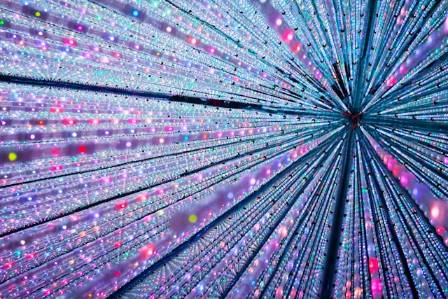
Boasting low energy use, intense luminosity, and vivid visual performance, LED technology is transforming architectural designs into urban landmarks and striking landscapes. Countless city skyscrapers have practically become emblems of modern LED display tech, serving to enhance urban aesthetics while showcasing commercial advertisements and coverage of major events. In this piece, we’ll highlight 20 renowned LED displays across the globe that have notably reshaped their respective cities and the daily lives of their inhabitants.
LOG · en

Dolphins: The Carnivorous Maestros of the Oceans
Dolphins, celebrated for their playful and inquisitive nature, are widely regarded as some of the most intelligent beings on our planet. With a staggering 42 diverse species, these marine marvels exhibit variations in size, behavior, and dietary preferences depending on their geographical habitat and the availability of prey. This exploration delves into the intriguing dietary habits of dolphins, focusing on a fundamental query: Are dolphins truly carnivores? If you've ever pondered the culinary inclinations of these charismatic creatures, you're in the right place!
LOG · en

Understanding the Complex Nature of Rabbits
Rabbits remain a popular choice for pet owners, yet they are frequently misunderstood. While they are fascinating and endearing creatures, their specific needs and biological behaviors are often overlooked. By debunking common myths and examining their true nature, owners can provide the high standard of care these animals require to thrive.