Wire dispatch
Masterclass in One-Point Perspective: A Step-by-Step Urban Street Guide
Grasping the fundamentals of single-point perspective opens up a world of artistic possibilities. Once the core concept becomes clear, it serves as the foundation for creating everything from three-dimensional typography to complex optical illusions. This tutorial provides a comprehensive, stage-by-stage demonstration of how to construct a realistic street scene, designed to help this essential drawing technique finally "click" for artists of all ages.
Matthew Daniel Ashford
Wire note
Signal tip
The full dispatch write-up continues below on the discovery terminal.
Channel
Discovery Wire
Grasping the fundamentals of single-point perspective opens up a world of artistic possibilities. Once the core concept becomes clear, it serves as the foundation for creating everything from three-dimensional typography to complex optical illusions. This tutorial provides a comprehensive, stage-by-stage demonstration of how to construct a realistic street scene, designed to help this essential drawing technique finally "click" for artists of all ages.
Constructing the Basic Urban Layout
Every perspective drawing begins with a single mark: the vanishing point. This central dot serves as the anchor for every receding line in your composition. To ensure accuracy, a ruler is an indispensable tool for this process.
The construction begins by placing the buildings closest to the observer first. Start by drawing a vertical line to represent the corner of the nearest structure. In this guide, lines follow three strict directions: vertical, horizontal, or diagonal lines that converge at the central vanishing point. For the first building, which is positioned so close that it partially exits the frame, use your ruler to connect the edge of your vertical line to the vanishing point, creating a diagonal path for the base.
As you move further into the scene, establish the next building with another vertical line. Connect the top and bottom corners of this new vertical to the vanishing point. By adding a horizontal line for the front-facing side and a final vertical to close the shape, you create a solid, three-dimensional structure. Repeat this process for subsequent buildings, ensuring that as they move closer to the vanishing point, they appear smaller and more compressed, following the natural laws of depth.
Detailing Portals and Architectural Features
Once the primary blocks of the buildings are established, you can begin adding doors, windows, and decorative elements. The orientation of these features depends entirely on which wall they occupy. If a door is on a wall directly facing the viewer, it consists strictly of vertical and horizontal lines. However, if a feature is located on the side of a building that faces the street, its top and bottom edges must align with the vanishing point.
For more complex additions like a set of stairs, the same rules apply. Begin by marking the intervals for the steps with lines that recede toward the vanishing point. Each step is then defined by a horizontal line for the tread—with the shortest line at the top and the longest at the base—and vertical lines for the risers. Keeping these lines perfectly parallel to the edges of your paper is the secret to maintaining a convincing three-dimensional effect.
Continue this detailed work by adding windows throughout the block. Accuracy is maintained by ensuring every "side" window angles back toward that original central dot. In the distance, structures located directly over the vanishing point, such as a church steeple, will primarily consist of horizontal and vertical lines because their sides are hidden from the viewer's perspective.
Bringing the Scene to Life with Environment and Color
The final stage involves transforming a geometric skeleton into a vibrant neighborhood. This is where you add organic elements like trees, street lamps, and planters. While these objects are more freeform, their size should still follow the perspective grid—objects in the foreground should be significantly larger than those near the vanishing point.
You can further enhance the realism by adding pavement stones or a sidewalk. These are created using a combination of horizontal lines and diagonal lines that radiate from the vanishing point. Final touches might include curtains in the windows, small animals, or specific textures for the building materials. Once the graphite work is complete and unnecessary construction lines are erased, the drawing can be finished with color to define the atmosphere and light of your unique street.
Exploring Further Applications of Perspective
Beyond street scenes, the principles of one-point perspective can be applied to various creative projects. You can use these techniques to draw:
-
Forest paths where trees recede into the distance.
-
Exploding geometric shapes that appear to burst out of the center of the page.
-
Accurate three-dimensional boxes and containers.
-
Bold, 3D block lettering for posters or graphic design.
More on the wire
LOG · en

A Brief History of Tall Structures: The Evolution of Modern Skyscrapers
From the ancient Tower of Babel to the iconic Burj Khalifa, humanity's desire to reach greater heights has always been a powerful driving force. Over the centuries, we have raised towering structures to celebrate our culture, showcase our cities, or simply exhibit our engineering prowess.
LOG · en
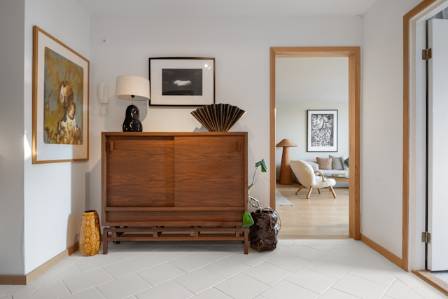
Best Solid Wood Storage Cabinets for Home & Office
Keeping a home or office organized becomes much easier with the right furniture. A thoughtfully designed storage cabinet not only reduces clutter but also improves the overall appearance and comfort of a room. Among the many storage options available today, solid wood cabinets remain one of the most popular choices because of their durability, timeless style, and ability to blend effortlessly with different interior designs. Whether placed in a bedroom, kitchen, living room, or workspace, a solid wood cabinet adds warmth, character, and functionality.
LOG · en
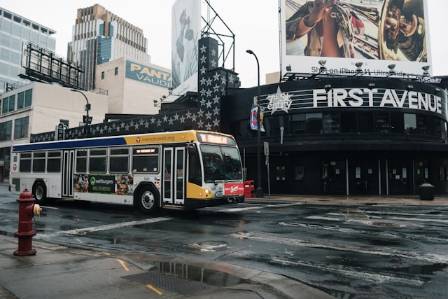
Seven Extraordinary Buses Around the World That Will Astonish You
In the realm of transportation, certain buses transcend their utilitarian purpose, transforming into immersive cultural experiences. These exceptional vehicles offer passengers more than just a ride; they provide a journey through the heart and soul of their surroundings. From vibrant, art-adorned minibuses in Kenya to innovative amphibious buses in London and Amsterdam, let's embark on a global tour of seven remarkable buses that redefine travel.
LOG · en

Principles of Selecting Ideal Women’s Sportswear for Every Activity
Choosing the right athletic apparel is a fundamental step for any woman dedicated to maintaining an active lifestyle. Whether your focus is on high-intensity running, the mindful movements of yoga, or the structural demands of weightlifting, the clothing you wear acts as a primary tool for enhancing performance and ensuring comfort. The right gear does more than simply look the part; it serves as a functional layer that manages moisture, regulates temperature, and protects the body from strain or injury.
LOG · en

The Most Majestic: Discovering the Largest Brown Bear Ever Recorded
Bears come in several sizes and styles, but which species claims the title for the largest individual? While many might assume the brown bear takes the crown, coastally fed grizzlies can outsize their inland cousins. This article surveys the contenders for the largest brown bear on record, explores the species landscape, and explains how measurements are tracked by record-keepers.
LOG · en

A bird flying close to the water's surface
Pacific Coast brown pelicans form breeding colonies from Baja California northward to California’s Channel Islands, with nesting activity occurring mainly during winter and spring. Once the breeding season ends, many birds migrate north. A small number remain visible in Monterey Bay throughout the year, but most individuals arrive during summer and remain in the area until early autumn.