Wire dispatch
Teas Packed with Antioxidants: Nature's Powerful Brews
For centuries, tea has been cherished not just for its comforting warmth and diverse flavors but also for its array of health benefits—and at the heart of many of these benefits lie antioxidants. These natural compounds help combat oxidative stress in the body, which is linked to aging and various chronic conditions. From earthy greens to robust blacks, and fragrant whites to vibrant herbals, the world of tea offers a wealth of options brimming with these protective substances. Let’s explore some of the most antioxidant-rich teas, each with its own unique profile and story.
Sophia Turner
Wire note
Signal tip
The full dispatch write-up continues below on the discovery terminal.
Channel
Discovery Wire
For centuries, tea has been cherished not just for its comforting warmth and diverse flavors but also for its array of health benefits—and at the heart of many of these benefits lie antioxidants. These natural compounds help combat oxidative stress in the body, which is linked to aging and various chronic conditions. From earthy greens to robust blacks, and fragrant whites to vibrant herbals, the world of tea offers a wealth of options brimming with these protective substances. Let’s explore some of the most antioxidant-rich teas, each with its own unique profile and story.
Green Tea
Green tea stands as one of the most celebrated sources of antioxidants, particularly catechins—a group of polyphenols known for their potent protective properties. What sets green tea apart is its processing: the leaves are steamed or pan-fried soon after harvesting, which halts oxidation and preserves a high concentration of these beneficial compounds, with epigallocatechin gallate (EGCG) being the most prominent.
Beyond its antioxidant punch, green tea has been studied for its potential to support heart health, aid in metabolism, and promote mental clarity. It’s available in a range of varieties, from the grassy, slightly sweet sencha of Japan to the more umami-rich matcha, which is made from ground whole leaves, ensuring you consume every bit of its nutritional value. Whether sipped hot on a cool morning or iced on a warm afternoon, green tea is a versatile and healthful choice.
Black Tea
Black tea, the most widely consumed tea globally, undergoes full oxidation, which gives it its deep color, robust flavor, and distinct antioxidant profile. While the oxidation process reduces the catechin content found in green tea, it creates other beneficial compounds, such as theaflavins and thearubigins. These antioxidants are believed to contribute to black tea’s potential to support cardiovascular health, including helping to maintain healthy blood pressure and cholesterol levels.
With a rich, malty taste that ranges from bold Assam to smooth Darjeeling, black tea is often enjoyed with milk or a touch of honey, making it a comforting staple in many cultures. Its versatility extends to both hot and cold preparations, and its caffeine content (moderate compared to coffee) provides a gentle energy boost, making it a popular choice throughout the day.
White Tea
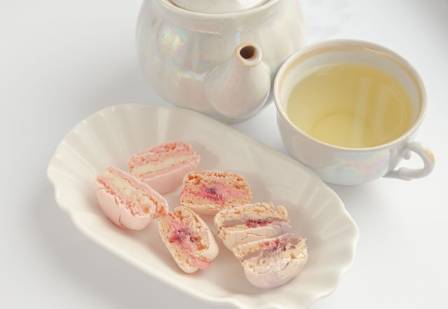
White tea is among the least processed of all teas, made from young leaves and buds that are simply dried in the sun or with low heat, minimizing oxidation. This gentle processing helps retain a high level of antioxidants, including catechins and flavonoids, which are thought to be even more concentrated in white tea than in green tea.
Known for its delicate, subtle flavor—often described as light, floral, or slightly sweet—white tea offers a milder alternative to its more robust counterparts. Varieties like silver needle (made from just the buds) and white peony (combining buds and leaves) showcase the tea’s refined character. Beyond its antioxidant benefits, white tea is also low in caffeine, making it a soothing option for those seeking a calm, healthful beverage.
Oolong Tea
Oolong tea falls somewhere between green and black tea in terms of oxidation, with levels ranging from light (around 10-20%) to dark (60-70%). This partial oxidation results in a unique blend of antioxidants, including both catechins (from its green tea-like qualities) and theaflavins (from its black tea-like traits). The specific antioxidant profile can vary depending on the oxidation level, with lighter oolongs retaining more catechins and darker ones boasting higher levels of theaflavins.
Oolong tea is celebrated for its complex flavor, which can range from floral and fruity in lighter varieties to toasty and caramel-like in darker ones. Originating primarily in China and Taiwan, it’s often brewed in small clay teapots as part of traditional tea ceremonies, allowing its nuanced flavors to shine. Studies suggest oolong tea may support metabolism and help maintain healthy blood sugar levels, adding to its appeal as a healthful beverage.
Hibiscus Tea
While not a true tea (since it’s made from the flowers of the hibiscus plant rather than Camellia sinensis leaves), hibiscus tea is a powerhouse of antioxidants, particularly anthocyanins. These compounds give the tea its vibrant red color and are known for their anti-inflammatory properties and potential to support heart health, including helping to lower blood pressure.
Hibiscus tea has a tart, cranberry-like flavor that is often enjoyed sweetened with a touch of sugar or honey, though it’s also refreshingly crisp when served iced. It’s caffeine-free, making it a great choice for evening sipping, and its bold color and flavor make it a standout in both hot and cold preparations.
Rooibos Tea
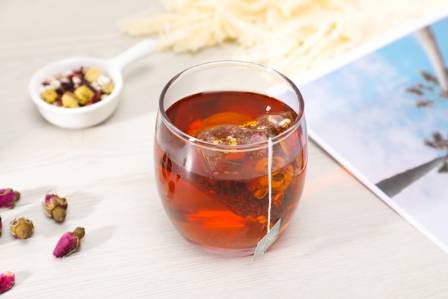
Rooibos, also known as red bush tea, hails from South Africa and is made from the leaves of the Aspalathus linearis plant. It’s naturally caffeine-free and rich in antioxidants, including aspalathin and nothofagin, which are unique to rooibos and have been linked to various health benefits, such as supporting liver function and reducing oxidative stress.
With a sweet, nutty flavor and a reddish-brown hue, rooibos is a comforting alternative to traditional teas. It’s often enjoyed with milk or a slice of lemon and is a popular choice for both adults and children due to its mild taste and lack of caffeine. Rooibos also comes in a green variety, which is less processed and retains a higher concentration of certain antioxidants, with a slightly grassier flavor.
Incorporating antioxidant-rich teas into your daily routine is a simple and enjoyable way to support overall health. Whether you prefer the boldness of black tea, the delicacy of white tea, or the tartness of hibiscus, there’s a tea to suit every palate and occasion. Beyond their protective compounds, these teas offer a moment of mindfulness—a chance to pause, savor, and nourish both body and mind. So brew a cup, sit back, and let the power of antioxidants work their magic, one sip at a time.
More on the wire
LOG · en
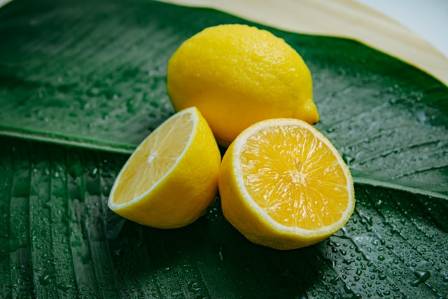
8 Brilliant Uses for Lemons You Probably Didn’t Know About
Lemons are far more versatile than you might think. Beyond their common role in recipes and beverages, these zesty fruits can be used in everything from cleaning solutions to personal care. If you’ve got a bowl of lemons sitting on your counter, don’t let them go to waste—put them to good use with these clever ideas.
LOG · en

Tomato Basil Pasta That’ll Make You Forget Fast Food
There’s something incredibly satisfying about a plate of pasta coated in juicy tomatoes and aromatic basil. I still remember serving this Tomato Basil Pasta to friends for the very first time. The comforting aroma of garlic and onions cooking in olive oil filled the kitchen, while the simmering tomatoes created a cozy, homemade atmosphere that instantly brought everyone together. Since then, this easy pasta dish has become one of my favorite go-to meals for hectic evenings when takeout simply doesn’t compare.
LOG · en

6 Exceptional Artworks of All Time
Throughout history, certain masterpieces have left an indelible mark on humanity. These artworks not only shaped artistic movements but also influenced fashion trends and introduced new styles and artistic values. More importantly, they have served as a wellspring of inspiration for countless individuals, encouraging creativity and innovation.
LOG · en

Top Fuel-Efficient SUVs to Consider in 2024: Gas and Hybrid Options
If you're on the hunt for an SUV in 2024, you're in luck—there are plenty of options to choose from in today’s crowded market. But narrowing down the most fuel-efficient models from that vast selection can be a challenge. No worries, we've done the legwork for you. By analyzing the EPA's fuel efficiency data, we've compiled a list of the top 20 SUVs that excel in gas mileage, based on their combined mpg ratings. (Note: The 2024 Hyundai Santa Fe Hybrid and 2025 Toyota Crown Signia aren't included as they're not yet available for purchase or EPA-rated.)
LOG · en

How to create a cosy book nook at home
“If your home has room for a reading nook, take advantage of it. If there isn’t an obvious place for one, make the opportunity yourself,” suggests Soho Home Lead Designer Jessica Sims-Wilson, who works with the Soho Home Design service.
LOG · en

Six Flamboyant Flamingo Facts: Unveiling the Secrets of These Iconic Pink Birds
There are six distinct species of flamingo gracing wetlands and coastal regions across the globe: the greater flamingo, Chilean flamingo, American flamingo, lesser flamingo, Andean flamingo, and James’s flamingo. While most of these species maintain stable populations and are not classified as endangered, their conservation status varies significantly according to the IUCN Red List of Threatened Species. The Andean flamingo is listed as Vulnerable, facing mounting pressure from habitat degradation and climate change-driven droughts, while the Chilean, lesser, and James’s flamingos are categorized as Near Threatened. These graceful birds confront a suite of challenges, with habitat loss due to human development and extreme weather events linked to global warming being the most pressing threats to their survival. Protecting their fragile wetland homes is crucial to ensuring the long-term viability of all flamingo species, especially those already teetering on the brink of population decline.