Wire dispatch
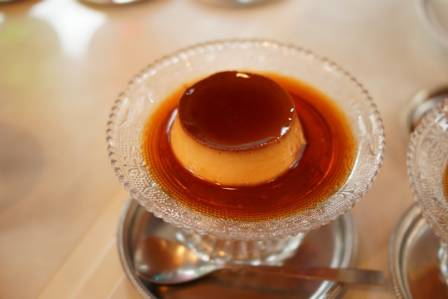
Delicious caramel pudding
Whenever I think of caramel pudding, memories of my grandmother’s kitchen come rushing back—the soft clinking of her mixing bowls, the aroma of sugar turning golden and filling the cozy farmhouse. This dessert was always a labor of love, a simple yet heartwarming treat in a ramekin. Today, I’m thrilled to share her treasured recipe with you.
Joshua Price
Wire note
Signal tip
The full dispatch write-up continues below on the discovery terminal.
Channel
Discovery Wire
Whenever I think of caramel pudding, memories of my grandmother’s kitchen come rushing back—the soft clinking of her mixing bowls, the aroma of sugar turning golden and filling the cozy farmhouse. This dessert was always a labor of love, a simple yet heartwarming treat in a ramekin. Today, I’m thrilled to share her treasured recipe with you.
Why This Dessert Works
Creamy Consistency: The mix of whole milk, heavy cream, and egg yolks produces a custard that is silky, rich, and melts effortlessly on the tongue.
Perfectly Balanced Caramel: Heating sugar to a deep amber hue (around 350°F) creates a caramel that is bittersweet, providing the ideal contrast to the sweet custard.
Gentle Cooking: Baking in a water bath at 325°F ensures even heat, preventing the custard from curdling and achieving that smooth, signature texture.
Ideal for Make-Ahead: This pudding needs at least four hours to chill, making it perfect for preparing ahead of time and letting the flavors develop fully.
Ingredients
For the Caramel:
1 cup granulated sugar
¼ cup water
For the Custard:
2 cups whole milk
1 cup heavy cream
½ cup granulated sugar
¼ teaspoon fine sea salt
1 teaspoon pure vanilla extract
6 large egg yolks
Equipment
Medium heavy-bottomed saucepan
Whisk
Mixing bowls (medium and large)
Fine-mesh strainer
6 (6-ounce) ramekins or custard cups
9×13-inch baking dish (for water bath)
Measuring cups and spoons
Oven mitts
Kettle or pitcher for hot water
Instructions
Step 1: Make the Caramel
Start by preparing the caramel topping. In a medium saucepan, combine 1 cup sugar with ¼ cup water. Heat over medium without stirring, swirling gently now and then. After 8–10 minutes, the sugar will turn golden, then deep amber. Remove from heat promptly. Pour the caramel evenly into six ramekins, tilting each to coat the bottom. The caramel will harden as it cools. Tip: Have the ramekins ready on a heatproof surface. If the caramel solidifies before you finish, gently reheat it.
Step 2: Prepare the Custard
Heat milk and cream together until warm, then gradually whisk into the egg yolks along with sugar, salt, and vanilla. Stir until smooth.
Step 3: Strain and Pour
To ensure a perfectly smooth texture, strain the custard through a fine-mesh sieve into a medium bowl. Divide evenly among the caramel-lined ramekins, filling each about ¾ full. Tap gently to release air bubbles. Optional: skim off any foam for an extra-smooth finish.
Step 4: Bake in a Water Bath
Preheat oven to 325°F. Place ramekins in a 9×13-inch baking dish with a bit of space between them. Pour hot water until it reaches halfway up the ramekins. Bake 45–55 minutes, until edges are set but centers wobble slightly. Cover with foil if tops brown too quickly.
Step 5: Chill and Serve
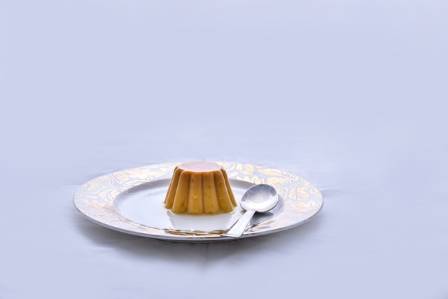
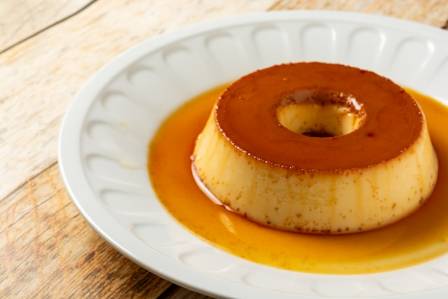
Cool in the water bath for 30 minutes, then transfer to a wire rack to reach room temperature. Cover with plastic wrap and refrigerate at least 4 hours (overnight is even better). To serve, run a knife around the edge of each ramekin, place a plate on top, flip, and allow the caramel to flow over the custard.
Tips & Tricks
Use a completely clean, dry pan for caramel to avoid crystallization. A little lemon juice in the sugar water helps too.
Pour hot milk slowly into the eggs to prevent curdling.
Line the baking dish with a towel to keep ramekins from sliding.
If caramel hardens before adding custard, the baking process will soften it.
Leftovers last up to 4 days refrigerated.
Recipe Variations
Spiced Caramel: Add 1 tsp cinnamon or a pinch of nutmeg to custard.
Citrus Twist: Swap vanilla for 1 tbsp orange or lemon zest.
Coffee Flavor: Dissolve 1 tbsp espresso in warm milk for a mocha variation.
Bourbon Caramel: Stir 2 tbsp bourbon into caramel after heating (for adults).
Smaller Portions: Use 8 (4-ounce) ramekins and reduce baking time to 35–40 minutes.
FAQs
Can I skip the water bath?
No—the steam ensures even cooking and prevents curdling. Without it, the texture will likely be grainy or rubbery.
Why did my caramel crystallize?
Crystals form if sugar sticks to pan sides or is stirred after boiling starts. Brush sides with water and swirl instead of stirring.
How to tell when pudding is done?
Edges should be set while centers jiggle slightly—like firm gelatin. It will continue to set as it cools.
Can I use low-fat milk?
Technically yes, but whole milk and cream give the pudding its rich, creamy texture. Lower-fat milk will produce a thinner result.
How far in advance can I prepare?
Up to 2 days. Cover with plastic wrap in the fridge to let flavors develop.
Summary
This caramel pudding delivers a luxuriously smooth custard topped with bittersweet caramel. With careful caramelization, gentle baking, and patient chilling, you’ll have a classic dessert that’s comforting, elegant, and perfect for sharing with family and friends.
More on the wire
LOG · en

Winter Wonderland: the dreamiest winter landscapes in the world
There is a noticeable coolness in the air, the morning sunlight feels sharper, and temperatures are beginning to fall. Winter is just around the corner.
LOG · en
The Essence of Men’s Artistic Gymnastics: A Comprehensive Guide to the Six Disciplines
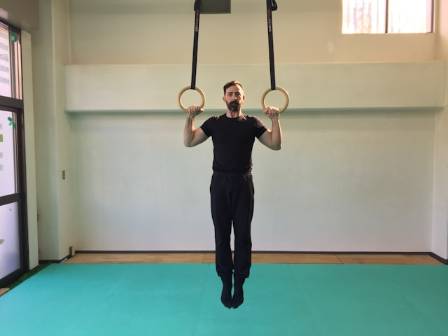
Men’s artistic gymnastics (MAG) stands as the cornerstone of gymnastics, with roots tracing back to ancient Greece, where athletes trained in strength, flexibility, and precision to prepare for warfare and competition. Recognized as the oldest form of organized gymnastics, it evolved through centuries—from 19th-century European gymnasiums to its debut as an Olympic sport at the first modern Games in 1896—to become a showcase of human physical excellence. At the elite level, MAG athletes compete across six demanding disciplines: floor exercise, pommel horse, still rings, vault, parallel bars, and high bar. Each event demands a unique blend of core skills—strength, balance, coordination, agility, and mental fortitude—while pushing the boundaries of what the human body can achieve. Below is an in-depth exploration of each discipline, uncovering the technical nuances, historical context, and competitive standards that define men’s artistic gymnastics.
LOG · en
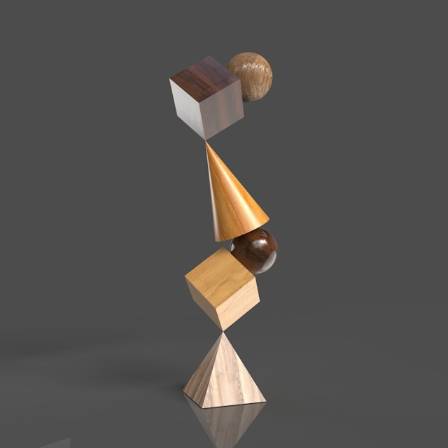
Contemporary Wood Art Styles You Need to See
There’s no denying that wood art is experiencing a modern resurgence. This ancient craft, steeped in tradition and grandeur, is now enjoying a vibrant renaissance. Wood art is remarkably versatile, striking a balance between the romantic and the rustic, the timeless and the contemporary.
LOG · en

Identifying the Fundamental Hallmarks of a Modern Sports Car
The term "sports car" evokes a specific image for automotive enthusiasts: a low-slung, aerodynamic machine that prioritizes the engagement of the driver above all else. While vibrant colors and striking silhouettes are common, the true identity of a sports car is forged through a specific set of engineering principles. These traits collectively separate a performance-bred vehicle from a standard means of transportation, turning every journey into a visceral experience.
LOG · en

Remarkable Truths About Camels
Camels are extraordinary animals with a host of biological adaptations that allow them to thrive in some of the planet's most inhospitable environments. While they are often associated with desert travel, their true nature involves complex social structures and impressive physical capabilities. Understanding these creatures requires looking past common misconceptions to appreciate their unique evolutionary journey.
LOG · en

Commemorating World Elephant Day: 10 Prime Global Locations for Elephant Viewing
Since its inception in 2012, World Elephant Day has been observed annually on August 12th. This global initiative was established to spotlight the critical challenges facing these creatures, specifically the threats posed by illegal poaching and the destruction of their natural environments through industrial growth and forest clearing. Engaging with these specific parks and sanctuaries provides essential financial support for conservation, with several locations offering hands-on volunteer opportunities for dedicated travelers.