Wire dispatch
Comprehensive Guide to Illustrating and Coloring Natural Landscapes
The foundation of a successful landscape begins with thorough research. Before putting pen to paper or stylus to tablet, gather various reference images to better understand your subject. These visuals will assist you in establishing a cohesive color palette, defining complex shapes, managing perspective, and adding realistic details. If you find yourself stuck at the beginning of the process, studying photographs can spark new ideas. For some artists, starting with a physical sketch on paper allows for more fluid lines and organic shapes. You can simply photograph your paper sketch and import it into your digital software to use as a blueprint, or you can begin directly in your digital application.
Adam Gregory Ellsworth
Wire note
Signal tip
The full dispatch write-up continues below on the discovery terminal.
Channel
Discovery Wire
The foundation of a successful landscape begins with thorough research. Before putting pen to paper or stylus to tablet, gather various reference images to better understand your subject. These visuals will assist you in establishing a cohesive color palette, defining complex shapes, managing perspective, and adding realistic details. If you find yourself stuck at the beginning of the process, studying photographs can spark new ideas. For some artists, starting with a physical sketch on paper allows for more fluid lines and organic shapes. You can simply photograph your paper sketch and import it into your digital software to use as a blueprint, or you can begin directly in your digital application.
Establishing the Sky and Mountainous Terrain
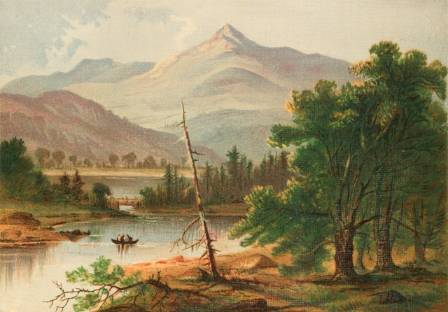
Start your digital painting with a basic sketch to define the horizon and major landmarks. Once the layout is ready, apply your base colors. A gradient tool is highly effective for creating the sky, whether you are aiming for the bright blue of midday or the deep tones of a night scene. To add depth to the atmosphere, use a soft airbrush to apply a darker blue at the top of the canvas, then gently use a soft eraser to lighten the central area. This creates a more natural, glowing atmospheric effect.
Next, focus on the mountains by applying their primary base colors. You can add texture and scale by using specialized brushes to place small trees along the ridges. To create a sense of vastness, add secondary mountain ranges in the background with lighter, less saturated tones. Enhance the realism of the peaks by adding highlights and shadows. Incorporating details such as snow caps or patches of greenery will make the terrain more believable. Remember that there is no rigid pattern to follow; observe your reference photos and allow the shapes to evolve naturally.
Illustrating Atmospheric Clouds and Sky Effects
Adding clouds is a vital step in creating a dynamic background. Begin with an initial outline using a dedicated cloud brush to establish their form. When coloring, you can work from dark to light or vice versa. One effective method is to fill the cloud shapes with a dark base shade and then layer progressively lighter tones on top. For the edges where the sun hits the clouds, use a "Glow" or "Add" blending layer with the brightest shade to create a shimmering effect.
Continue to refine the sky to ensure it harmonizes with the clouds. If you want to simulate a sunset, use a soft airbrush to introduce warm tones near the horizon. This stage is about balancing the light sources in your drawing. By adjusting the saturation and brightness of the sky, you can ensure that the clouds look integrated into the environment rather than just floating on top of it.
Creating Realistic Water Reflections
The final component of the landscape is the lake or body of water. There are two primary techniques for achieving a realistic reflection. The quickest method is to merge a copy of your sky, clouds, and mountains into a single layer and flip it vertically. A more detailed approach involves copying each layer separately—sky, mountains, and clouds—and editing them individually to account for slight variations in the water's surface. While this takes more time, it allows for greater control over the final look.
To make the reflection look like water rather than a mirror, apply a Gaussian blur to the inverted layers. Afterward, use a painterly blender tool with a low color stretch and moderate brush density to soften the edges and mix the colors slightly. This technique mimics the natural ripples and movement of a lake. Following these steps will result in a cohesive and visually striking natural scenery.
More on the wire
LOG · en
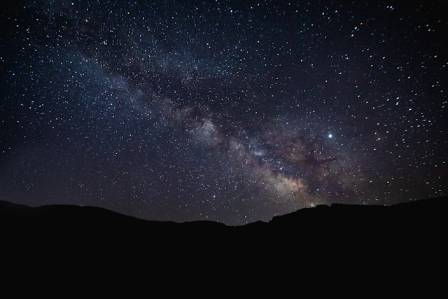
Eight of the World’s Premier Stargazing Destinations
Where to experience the clearest and darkest night skies — from Pennsylvania to the Canary Islands
LOG · en
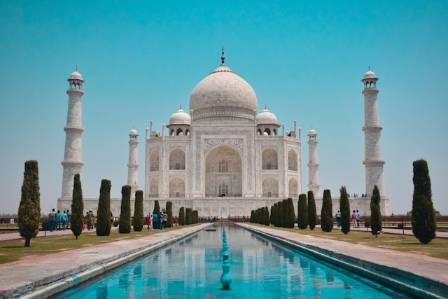
Taj Mahal: The Eternal Marble Masterpiece
The Taj Mahal, a vast mausoleum of gleaming white marble, was constructed in Agra between 1631 and 1648 by the Mughal emperor Shah Jahan to honor the memory of his beloved wife, Mumtaz Mahal. It is celebrated as the pinnacle of Muslim architectural artistry in India and stands as one of the world’s universally acclaimed heritage masterpieces.
LOG · en
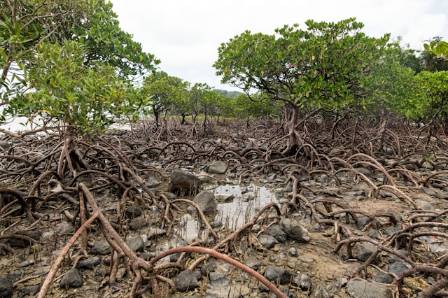
Ten Remarkable Tree Species That Reveal The Hidden Wonders Of Nature
Trees are fundamental to the survival of life on our planet, continuously producing the oxygen we breathe through photosynthesis while absorbing harmful carbon dioxide as they mature. Beyond their essential ecological roles, different tree species possess remarkable adaptations and provide countless benefits to their environments. From coastal mangroves that shield shorelines from erosion to ancient giants like the giant sequoias, the botanical diversity across various global landscapes is truly astonishing. For thousands of years, specific trees around the world have been visited, revered, and celebrated by local communities. While their environmental benefits are widely discussed, many other qualities draw people to them, including their striking beauty, incredible longevity, medicinal properties, and deep connections to ancestral legends. These unique characteristics have inspired countless poems, stories, and works of art throughout human history. Exploring these iconic species offers a deeper appreciation for the incredible biodiversity and natural wonders that forests provide across different ecosystems.
LOG · en
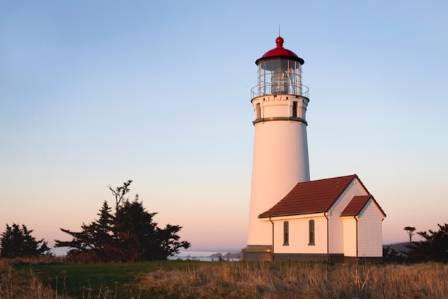
The Five Best Lighthouses of All the Lighthouses
Lighthouses feel almost pure in their purpose—strong, noble structures built to guide and protect. They function as symbols of safety and direction, both literally and in a more symbolic sense. During the late 1600s conflict between France and Britain, French privateers once captured engineer Henry Winstanley while he was working on the first lighthouse at the Eddystone Rocks near Cornwall. King Louis XIV ordered his release, reportedly stating that France was fighting England, not humanity itself.
LOG · en

An Introductory Guide to the Heritage of Japanese Bento Boxes
For enthusiasts of Japanese gastronomy or those who have explored the nation's rich traditions, the concept of the bento box is likely familiar. Essentially, an "obento" refers to a meal systematically arranged within a specialized portable container, designed for consumption away from home.
LOG · en

Viral Mango Mousse Cake
These ultra-realistic mango mousse cakes have taken over social media, and for good reason.