Flamingo Conservation & Research: Status, Protection, and Captive Breeding

Wire dispatch

Flamingo Conservation & Research: Status, Protection, and Captive Breeding

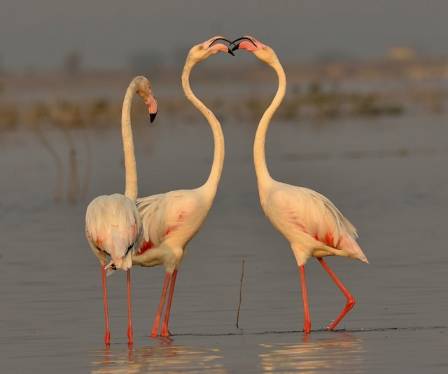
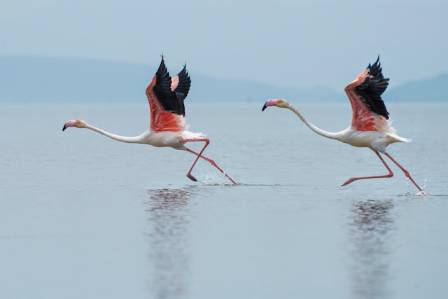
Flamingos, with their striking plumage and iconic stature, have long been a focus of conservation efforts due to their unique ecological roles and varying population threats. From once being declared extinct to thriving in captive settings, their conservation journey involves international agreements, regional regulations, and collaborative work by zoological institutions. This article outlines the protection status, regulatory frameworks, and successful captive breeding initiatives that safeguard flamingo species worldwide.

L

Luna

Wire note

Signal tip

The full dispatch write-up continues below on the discovery terminal.

Channel

Discovery Wire


Introduction

Flamingos, with their striking plumage and iconic stature, have long been a focus of conservation efforts due to their unique ecological roles and varying population threats. From once being declared extinct to thriving in captive settings, their conservation journey involves international agreements, regional regulations, and collaborative work by zoological institutions. This article outlines the protection status, regulatory frameworks, and successful captive breeding initiatives that safeguard flamingo species worldwide.

Conservation Status Overview

The James' flamingo has a dramatic conservation history: believed extinct in 1924, it was rediscovered in 1957 sharing habitats with Chilean flamingos, marking a pivotal moment for its protection. Notably, no flamingo species is listed as “endangered” under the U.S. Endangered Species Act, reflecting relatively stable global populations overall. However, threats like habitat loss, unregulated trade, and climate change persist, making targeted protection measures critical to preventing population declines across species.

CITES Protection Classification

All flamingo species are included in Appendix II of the Convention on International Trade in Endangered Species of Wild Fauna and Flora (CITES). This listing identifies species in need of regulated protection—they are considered threatened and at risk of becoming endangered if international trade is not closely monitored. The classification ensures that cross-border trade in flamingos or their parts is subject to strict permits and oversight, curbing unsustainable exploitation and supporting wild population preservation.

IUCN Red List Ratings

The International Union for Conservation of Nature (IUCN), a global coalition of government agencies, non-profits, and independent states, provides standardized conservation assessments for flamingos. The Caribbean and greater flamingos are categorized as “least concern,” indicating they are widespread and abundant with stable populations. In contrast, the lesser, James', and Chilean flamingos are listed as “near threatened,” meaning they are close to meeting the criteria for “threatened” if current threats persist. The Andean flamingo is classified as “vulnerable,” facing a high risk of extinction in the wild without enhanced conservation action.

U.S. Migratory Bird Act Protection

In the United States, the Caribbean, Chilean, and greater flamingos receive legal protection under the Migratory Bird Act of 1918. This landmark legislation prohibits the hunting, capturing, killing, or selling of migratory birds without proper permits, safeguarding these species as they move across U.S. territories and international borders. The act plays a key role in preserving flamingo habitats and reducing human-wildlife conflicts within U.S. jurisdiction.

Zoological Parks’ Conservation and Breeding Success
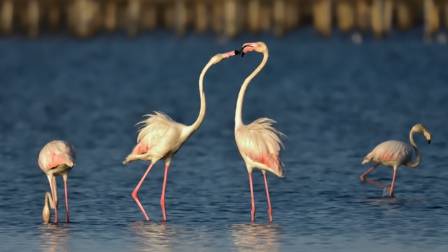
Marine zoological parks and aquariums are instrumental in flamingo conservation through captive breeding and population management. Busch Gardens Tampa Bay houses the world’s largest flock of Caribbean flamingos among zoological institutions, with over 300 individuals. Hialeah Park, a racetrack near Miami, Florida, is home to approximately 500 Caribbean flamingos that nest on four islands in its on-site lake. To support captive population growth, the Hialeah Park Flamingo Consortium was established, partnering with institutions like SeaWorld, Discovery Island, and the Los Angeles Zoo to transfer birds and enhance genetic diversity. Zoological parks have achieved consistent breeding success with Chilean, Caribbean, and greater flamingos; SeaWorld stands out as one of the few North American facilities to successfully breed lesser flamingos, a significant milestone for the “near threatened” species.

More on the wire

LG

LOG · en

Understanding the Sagittarius Sign and Season

Understanding the Sagittarius Sign and Season

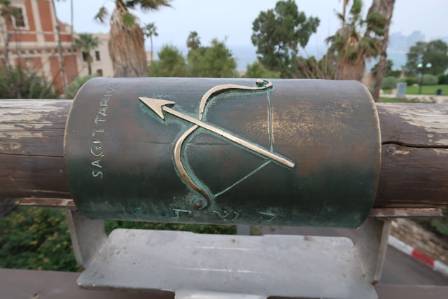
The Sun moves into Sagittarius around November 21, and during this period all the inner planets—Moon, Mercury, Venus, and Mars—also pass through this zodiac sign at different moments in the month. Because of this, Sagittarius energy tends to be felt in many different ways throughout the season. It is a sign that often feels paradoxical, making it harder to define clearly. How can one archetype represent wisdom and foolishness at the same time, or morality and excess, or excitement and laziness? Sagittarius resists being placed into neat categories and instead tends to stretch across extremes.

LG

LOG · en

8 Oldest Lighthouse in the World

8 Oldest Lighthouse in the World

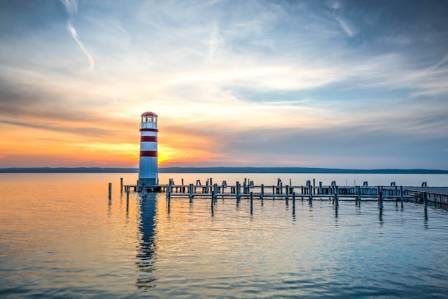
Before permanent lighthouses were constructed, fires set on hilltops guided sailors at sea. To enhance visibility, platforms were erected to elevate these fires, which eventually led to the emergence of lighthouses. Unlike modern ones that serve as navigational warnings, ancient towers primarily marked harbor entrances.

LG

LOG · en

Floral Imagery in Art: A Legacy of Beauty and Symbolism

Floral Imagery in Art: A Legacy of Beauty and Symbolism

Throughout history, blooms have symbolized life, rebirth, and creation. From ancient wall markings to religious imagery depicting Eden as an untouched sanctuary, botanical subjects have long been part of visual storytelling. Painters across generations have infused blossoms with layered meanings—roses, irises, tulips, and carnations all carry distinct cultural associations. Their visual richness, combined with their emotional resonance, has made them central to some of the most celebrated works in Western art, like Monet’s Water Lilies or Van Gogh’s Sunflowers. A single petal can hint at innocence, desire, sorrow, or transformation. Beyond metaphor, flowers have captured artists through their vibrant hues and aesthetic elegance.

LG

LOG · en

Exploring Seattle Southside: The Top 5 Biking Trails to Discover

Exploring Seattle Southside: The Top 5 Biking Trails to Discover

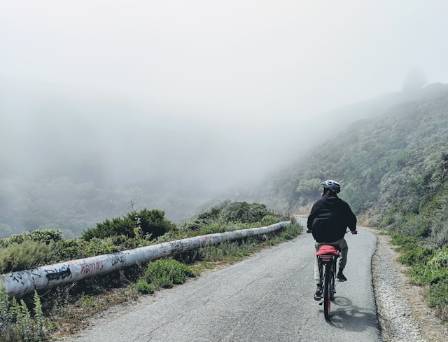
Seattle Southside is a hidden gem for biking enthusiasts, offering a variety of trails that meander through vibrant urban environments and stunning natural landscapes. Whether you're looking for a leisurely ride or an invigorating workout, these trails have something for everyone. Here’s a curated list of the top five biking trails in Seattle Southside that you won’t want to miss.

LG

LOG · en

The Complete History of Milkshakes

The Complete History of Milkshakes

Indulge in the complete history of milkshakes—a treat that everyone, both young and old, loves! How can you not?

LG

LOG · en

The Magic of Machu Picchu

The Magic of Machu Picchu

I have spent a lot of time reflecting on my visit to Machu Picchu, and I can honestly say it was one of the most unforgettable experiences of my life. It was a journey I feel incredibly thankful for. Before this trip, I never imagined that I would one day find myself traveling through Peru, but now I have experienced the magic of this incredible place firsthand.