Wire dispatch
Round-Leaf Plants: Best Species & Care Guide
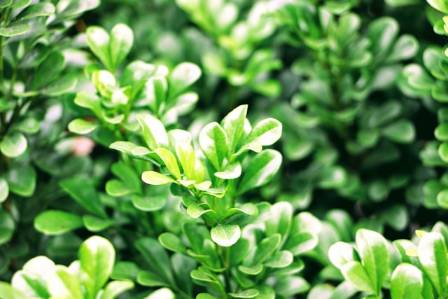
Round-leaved plants—species with circular, kidney-shaped, or broadly oval foliage—are not only visually calming but also often more adaptable in home environments. In many indoor and balcony growing conditions, these plants tend to perform more reliably than narrow or sharply pointed-leaf species.
Soren Ashford
Wire note
Signal tip
The full dispatch write-up continues below on the discovery terminal.
Channel
Discovery Wire
Round-leaved plants—species with circular, kidney-shaped, or broadly oval foliage—are not only visually calming but also often more adaptable in home environments. In many indoor and balcony growing conditions, these plants tend to perform more reliably than narrow or sharply pointed-leaf species.
Through long-term observation of apartment microclimates, humidity variation, and container gardening in urban spaces, plants such as Pilea peperomioides, Peperomia obtusifolia, and Tradescantia fluminensis consistently show strong performance in low-light rooms, heated dry interiors, and exposed balconies. Their leaf structure helps limit water loss, smooths temperature fluctuations, and creates a dense ornamental effect without overcrowding limited space. Importantly, rounded foliage is not a taxonomic classification but an evolutionary outcome that has appeared across unrelated plant groups, making it a useful feature for practical plant selection.
Why Round Leaves Matter Beyond Appearance
Although round foliage is often chosen for aesthetic appeal, it also provides real functional advantages based on plant physiology. Compared with narrow or elongated leaves, rounded forms reduce edge exposure and distribute surface area more evenly.
Reduced moisture loss
Because the perimeter-to-area ratio is lower, fewer stomata are exposed along leaf edges, helping reduce dehydration in dry indoor air, especially during winter when humidity can fall below 30%.
More efficient light use in indirect environments
Broad leaf surfaces distribute diffused light more evenly across internal tissues. This makes plants such as Hydrocotyle umbellata particularly effective in shaded or north-facing rooms where direct sunlight is limited.
Lower pest accessibility
Some round-leaved succulents, such as Cotyledon orbiculata, have smooth surfaces that are less favorable for pests like spider mites or aphids compared to textured or hairy foliage.
Field observations from multiple urban balcony trials across different U.S. cities have shown that round-leaved plants often achieve significantly higher survival rates than similar-sized narrow-leaf plants under identical care routines. However, this advantage becomes less noticeable in controlled greenhouse environments with stable humidity and lighting.
Watering Round-Leaved Plants: Precision Matters
A common misunderstanding is that rounded, thick-looking leaves indicate a higher water requirement. In reality, leaf shape does not reliably predict watering needs.
Succulent round-leaved plants (such as Cotyledon) store water internally and require infrequent but thorough watering. In contrast, thin-leaved round species (such as Tradescantia or Alchemilla) dry out quickly and need more consistent moisture.
A practical watering method includes:
Check soil below the surface rather than the top layer. Insert a stick about 5 cm into the soil. If it comes out dry, wait and check again later; if it is moist, delay watering.
Evaluate leaf firmness instead of color. Healthy leaves feel firm and quickly recover after gentle pressure. Softness or slow recovery can indicate stress or dehydration.
Avoid watering on a fixed schedule. For example, Pilea peperomioides may only need water every two to three weeks in winter, while Tradescantia fluminensis in a humid bathroom may require weekly watering.
Light Needs: Correcting Common Misconceptions
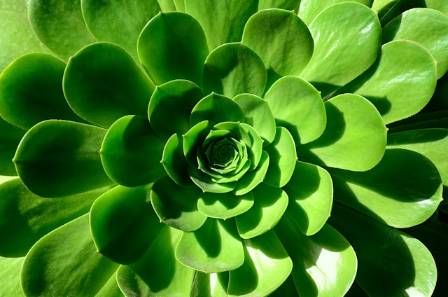
It is incorrect to assume all round-leaved plants thrive in low light. While some species tolerate dim environments, most still require adequate brightness to grow well.
Low-light tolerant types (e.g., ZZ plant, some Peperomia) survive but often grow slowly and produce weaker stems.
Medium-light plants such as Pilea and Peperomia need moderate brightness for healthy development.
High-light species like Cotyledon orbiculata require several hours of direct sun to maintain compact form and avoid stretching.
Light intensity can be estimated using mobile light meter tools:
50–200 foot-candles: low-light tolerant species
200–500 foot-candles: moderate-light species
500–1000+ foot-candles: high-light succulents
Signs of insufficient light include elongated stems, smaller new leaves, and drooping growth even if the plant remains green.
Pet Safety Considerations
Not all round-leaved plants are safe for pets. Some contain compounds that may cause health issues if ingested.
For example, Cotyledon orbiculata contains toxic substances that can affect the heart, while Tradescantia fluminensis may cause irritation in pets’ mouths.
Safer, non-toxic options include:
Pilea peperomioides
Alchemilla mollis
Viola cornuta
Umbilicus rupestris
Lunaria annua
Always verify plant safety using reliable veterinary plant toxicity databases rather than assumptions based on appearance.
Soil and Potting Requirements
Round-leaved plants can be grouped into three root-system types, each requiring a different soil structure.
Succulent-rooted plants (e.g., Cotyledon)
Require a high proportion of mineral material such as pumice or perlite mixed with coconut fiber to prevent root rot.
Fibrous-rooted plants (e.g., Pilea, Peperomia)
Perform best in a balanced mix of organic matter, aeration material, and light bark components.
Rhizome or tuber-based plants (e.g., Hosta)
Need heavier soil with compost and sand to support structural growth.
Reusing old soil is not recommended, as fungal pathogens can persist and damage sensitive roots.
Propagation Methods
Propagation success depends on plant structure.
Stem cuttings
Used for trailing or upright species. Cut below a node and place in moist aerated medium. Roots usually form within two weeks.
Division
Suitable for clumping plants. Separate sections carefully during active growth periods, ensuring each piece has roots and shoots.
Leaf cuttings (succulents only)
Detach a healthy leaf, allow it to dry briefly, then place in dry soil. Water lightly after several days.
Water propagation is not ideal for most terrestrial round-leaved plants because it often produces weak root systems that do not adapt well to soil.
Common Mistakes
Research and grower reports highlight several frequent issues:
Overwatering due to assumption of water-storing leaves
Incorrect placement in low-light environments
Using dense soil for succulents
Trusting appearance instead of verified toxicity information
Excessive pruning of leaves instead of stems
Frequently Asked Questions
How can I tell if light levels are too strong?
Look for pale patches, scorched edges, or leaf drop on the side facing the window. Moving the plant farther away or filtering sunlight helps reduce stress.
Can these plants survive outdoors year-round?
It depends on climate zone and species. Hardy plants like Hosta tolerate cold climates, while tropical succulents require warm regions or indoor protection.
Why is my Chinese money plant losing leaves?
Common causes include excess watering combined with low light, cold drafts, or mineral buildup in tap water.
Do round-leaved plants clean indoor air better?
Air purification depends on total leaf area and species type, not leaf shape. Larger plants generally filter more air than multiple small ones.
Which types work well in bathrooms?
Plants that tolerate humidity and low light, such as Tradescantia and certain Peperomia species, are suitable. Succulent types should be avoided.
Round-leaved plants are not inherently “easier,” but their structure often aligns well with typical indoor conditions such as limited space, inconsistent light, and dry air. Successful cultivation depends on observing soil moisture, understanding light intensity, selecting appropriate soil, and choosing non-toxic species when pets are present. When these factors are matched correctly, round-leaved plants become highly reliable and long-lasting indoor companions.
More on the wire
LOG · en

Top 8 Most Popular Juices Around the World
Juices are a key part of a healthy diet and are enjoyed globally for their convenience, taste, and nutrient content. They provide an easy way to consume essential vitamins and minerals while remaining refreshing and flavorful. The following eight juices are among the most popular worldwide, each offering unique nutritional benefits.
LOG · en

Whales: Ancient Sages of the Deep
Whales are frequently regarded as the sentinels of the sea and timeless vessels of ancestral knowledge. Living for generations, their presence echoes themes of endurance, continuity, and deep insight.
LOG · en

7 Steps to Perfect Hot Cocoa
There’s nothing quite like a warm cup of creamy hot cocoa on a chilly day. This classic drink delivers a smooth, velvety texture paired with rich chocolate flavor, made simply from natural cocoa powder, brown sugar, milk, and a touch of cream. Imagine sipping this luscious beverage as it wraps around you like a comforting hug—perfect for relaxed evenings at home or festive get-togethers. Let’s explore this homemade recipe that will take your winter indulgence to the next level!
LOG · en

Seven Intriguing Realities of the Gorilla
Often described as gentle giants, gorillas hold the distinction of being the planet's largest primates. These magnificent creatures are remarkably close to humans, sharing approximately 98% of our genetic makeup. Within the species, there are four recognized subgroups: the mountain, cross river, eastern lowland, and western lowland gorilla. Currently, the western lowland variety is the most widespread but remains critically endangered, with an estimated wild population of only 300,000. These primates are celebrated for their immense power, impressive physical stature, and highly sophisticated social lives.
LOG · en
Why Cats Make Remarkable Companions
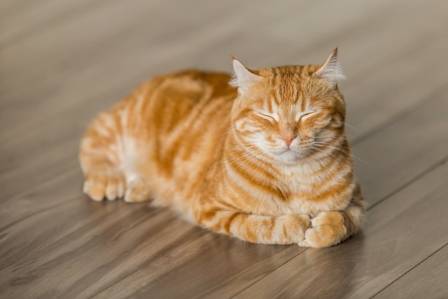
The debate between feline and canine lovers is as old as pet ownership itself. While dogs often take the spotlight with their exuberant personalities, cats offer a quieter, more subtle charm that’s just as endearing. If you've always leaned toward dogs, you might find your perspective shifting after discovering the unique benefits of sharing your space with a cat.
LOG · en

8 Oldest Lighthouse in the World
Before permanent lighthouses were constructed, fires set on hilltops guided sailors at sea. To enhance visibility, platforms were erected to elevate these fires, which eventually led to the emergence of lighthouses. Unlike modern ones that serve as navigational warnings, ancient towers primarily marked harbor entrances.