Wire dispatch
Essential Facts About Tigers: The World’s Largest Cats
Tigers serve as a vital keystone species, exerting a profound influence on the ecosystems they inhabit. As apex predators, they regulate herbivore populations, which helps control the spread of diseases and prevents the degradation of vegetation from overgrazing. Because these cats require expansive territories to survive, efforts to preserve their natural habitats result in the simultaneous protection of countless other wildlife species.
Ethan Walker
Wire note
Signal tip
The full dispatch write-up continues below on the discovery terminal.
Channel
Discovery Wire
Tigers serve as a vital keystone species, exerting a profound influence on the ecosystems they inhabit. As apex predators, they regulate herbivore populations, which helps control the spread of diseases and prevents the degradation of vegetation from overgrazing. Because these cats require expansive territories to survive, efforts to preserve their natural habitats result in the simultaneous protection of countless other wildlife species.
Key Information and Physical Characteristics
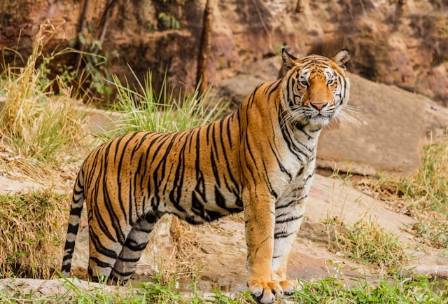
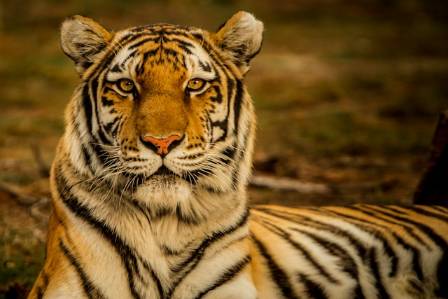
Currently classified as Endangered by the IUCN, wild tiger populations are estimated at approximately 5,660 individuals globally as of 2024, with roughly 3,682 of these residing in India. These carnivorous mammals are primarily found throughout the diverse forests of Asia, ranging from the frigid boreal regions to humid tropical jungles. Typically, a tiger weighs between 100 and 260 kilograms and measures up to 3 meters in length. Their distinctive reddish-orange coats, marked by black stripes and white underbellies, provide perfect camouflage within the shadows of their environment. Remarkably, every tiger possesses a unique pattern of stripes, much like a human fingerprint, and their powerful roars can resonate over a distance of three kilometers.
Diversity and Specialized Biology
As the most massive members of the cat family, tigers are represented by several surviving subspecies, including the Bengal, Siberian, Sumatran, Malayan, and Indochinese tigers. The South China tiger is also recognized, though it is feared to be extinct in the wild. Their physiology is finely tuned for predation, featuring muscular limbs, retractable claws, and exceptionally strong jaws. While their size varies depending on their specific subspecies and geographical location, males are generally larger and heavier than females.
Distribution and Territorial Habits
Tigers occupy a variety of landscapes across Asia, including grasslands, tropical rainforests, and mountainous terrains. They are notoriously solitary creatures that prefer to avoid areas heavily impacted by human activity or fragmented landscapes. The size of a tiger's territory is largely dictated by the availability of food; for instance, a Siberian tiger may roam an area as large as 2,000 square kilometers. They utilize scent marking, such as spraying urine on trees, to define their boundaries and communicate their presence to other tigers.
Reproduction and Development
Following a gestation period of roughly 90 to 110 days, a female tiger typically gives birth to a litter of two or three cubs. These young cats spend much of their early life engaged in play, a behavior that is essential for developing the stalking and fighting skills necessary for adulthood. Cubs begin learning to hunt around six months of age but remain under their mother's protection for at least fifteen months. Once they gain independence, they venture out to establish their own exclusive territories.
Conservation Status and Primary Threats
The survival of the tiger is currently jeopardized by several critical factors, leading to its endangered status. The loss of natural habitats due to human expansion remains a primary concern, alongside frequent conflicts between humans and tigers. Additionally, poaching for the illegal wildlife trade and the issues surrounding tigers kept in captivity continue to threaten the stability of the species.
Ongoing Protection and Welfare Efforts
Dedicated conservation initiatives are in place to safeguard tigers in their natural environments and provide care for those in captivity. Programs in Central India focus on community collaboration to mitigate human-wildlife conflict and support forest departments. For tigers that cannot be returned to the wild due to previous suffering or injury, specialized sanctuaries offer lifetime medical care and a safe environment. Furthermore, global campaigns work to ban the use of these cats in circuses and zoos, striving to end the international trade of tiger products and the operation of commercial tiger farms.
More on the wire
LOG · en
Essential Knowledge Regarding the Giant Panda
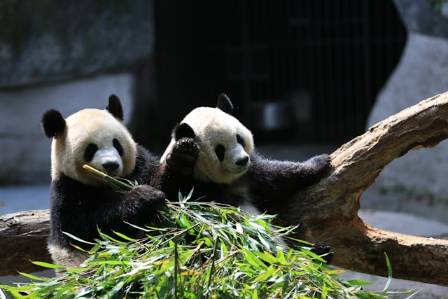
The giant panda is a globally recognized symbol of wildlife, admired for its distinctive appearance and gentle nature. Observing National Panda Day provides a perfect opportunity to explore the specific habits and ecological requirements of these bears. Understanding their biology and the challenges they face is the first step toward ensuring their continued survival in the natural world.
LOG · en

Winter Wonderland: the dreamiest winter landscapes in the world
There is a noticeable coolness in the air, the morning sunlight feels sharper, and temperatures are beginning to fall. Winter is just around the corner.
LOG · en

A Guide to America’s Best Beaches
Each year, millions of people head to the shoreline in search of sunshine, relaxation, excitement, and seaside fun. Picture yourself resting on soft, clean sand while warm sunlight touches your skin and a refreshing ocean breeze moves through the air. The best part is that many of the world’s most stunning beaches can be enjoyed without ever needing a passport.
LOG · en

How To Draw A Kitchen
Drawing a kitchen may feel like a big challenge, but it’s entirely doable! This guide breaks the process into manageable steps, from the overall structure to the little details that make a kitchen feel lived-in. Whether you’re just starting out or aiming to improve your skills, this step-by-step approach will help you create a convincing kitchen scene.
LOG · en

10 Most Advanced Humanoid Robots
Advancements in technology have made humanoid robots increasingly lifelike, improving how they move, react, and interact. These robots are designed to walk, communicate, and even simulate thinking. Some are built for scientific research, while others are used in areas like healthcare and customer service.
LOG · en

Curb Sales of SUVs: Mitigating Health and Environmental Harms
Once a specialized option for offroad driving, Sports Utility Vehicles (SUVs) have evolved into a dominant force in the global automotive market. Their rise has been nothing short of remarkable: globally, SUVs now account for half of all new car sales, a stark jump from just 15% in 2010. The UK market reflects this trend even more acutely, with SUVs making up 63% of new car sales in 2024 compared to a mere 12% over a decade earlier. This proliferation is not an isolated phenomenon but part of a broader "carspreading" trend, where vehicles have steadily grown larger in dimensions—taller, wider, and heavier—over time. As Dr. Anthony Laverty and his colleagues highlight in The BMJ’s climate issue, this expansion brings with it significant, yet often overlooked, risks to public health and the environment, demanding urgent action at local, national, and international levels.