Wire dispatch
The Main Features of Modern Architectural Styles
Have you ever wondered what defines the essential qualities of modern architecture?
Lucien Avery
Wire note
Signal tip
The full dispatch write-up continues below on the discovery terminal.
Channel
Discovery Wire
Have you ever wondered what defines the essential qualities of modern architecture?
This article examines the origins of modern architecture, explores the defining principles of minimalist modern design, and explains how the historical ideas behind this movement have gradually developed into the characteristics of contemporary architectural styles.
The Historical Background Behind Modern Architectural Features
Architecture often reflects the society that creates it. Buildings reveal the cultural values, technological progress, and social conditions of a particular period and location. As societies transform, architectural ideas naturally evolve along with them.
Modern architecture developed in the early 20th century during a time of major transformation throughout North America and Western Europe. Industrial development introduced new construction materials, advanced manufacturing methods, and faster building processes. At the same time, growing cities created an urgent demand for efficient housing solutions.
The aftermath of World War I brought significant economic and social changes, along with new hopes for creating improved and more organized societies. These ideals influenced both art and architecture, with many designers believing that thoughtful design could positively affect human life. Architects such as Le Corbusier imagined modern cities where buildings could help create structured, efficient, and balanced communities.
Many architects began to reject older architectural traditions because styles such as Baroque and Victorian architecture were considered unsuitable for the rapidly changing modern world. New materials, including drywall, along with innovative construction techniques, allowed designers to move away from excessive decoration and focus on simplicity and practicality.
Within this historical environment, minimalist modern architecture emerged as a new design philosophy.
The Main Characteristics of Minimalist Modern Architecture
The cultural, technological, and economic changes of the early modern era shaped several important principles that defined minimalist modern architecture.
Function Takes Priority Over Appearance
One of the most important principles of modern architectural design is functionality. In minimalist architecture, buildings are created primarily to serve practical purposes rather than simply to appear decorative.
Unnecessary ornamentation was largely abandoned because designers believed that every element of a building should have a clear purpose. The focus shifted toward efficient layouts, useful spaces, and designs that improved everyday living.
Simplicity and Clear Geometric Forms
The phrase “less is more” perfectly represents the philosophy behind minimalist modern architecture. Modern designs emphasize smooth surfaces, simple shapes, and uninterrupted lines rather than complicated decoration.
Le Corbusier’s Villa Savoye is a classic example of this approach. Its geometric structure, elevated design, open façade, and limited decorative details demonstrate how simplicity can create a powerful architectural statement.
Adaptable and Flexible Spaces
Rapid urban growth created crowded cities and smaller living areas. As a result, modern architecture needed to provide flexible solutions that allowed spaces to serve multiple purposes.
Minimalist modern homes were designed to maximize efficiency, allowing rooms and layouts to adapt to changing lifestyles and different household needs.
The Use of Advanced Technology
Technological innovation played a major role in shaping modern architecture. New materials and construction methods allowed architects to explore possibilities that were impossible in earlier periods.
Steel-frame construction made it possible to create larger open areas without relying on numerous supporting columns. This development encouraged open floor plans, such as the design seen in the Farnsworth House, where spaces could be used in more flexible ways.
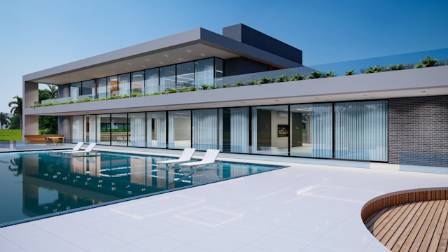
Advancements in glass technology also contributed to one of the most recognizable features of modern architecture: large windows stretching from floor to ceiling. These features allowed minimalist homes to incorporate more natural light while improving connections between indoor and outdoor spaces.
Creating Harmony Between Buildings and Nature
Modern architecture focuses not only on the interior of a building but also on its relationship with the surrounding environment.
A major goal is to reduce the separation between indoor and outdoor areas. Large windows, transparent walls, and open layouts help residents experience surrounding landscapes while bringing natural light into living spaces.
The Glass House by Philip Johnson demonstrates this concept through extensive glass walls that provide wide views of nature. These features also offer practical benefits by reducing dependence on artificial lighting and improving passive heating through sunlight.
Precision and Attention to Detail
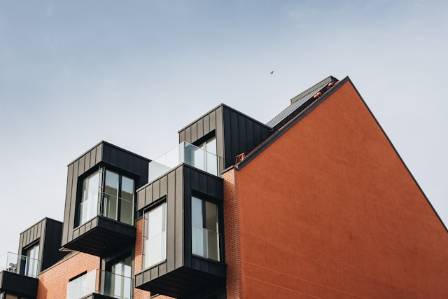
Although modern architecture often appears simple, achieving this simplicity requires careful planning and exceptional craftsmanship.
Successful modern designs pay close attention to every detail, including construction joints, material placement, and the alignment of architectural elements. Even small details contribute to the overall visual balance and quality of the design.
A Focus on Human Needs
At its core, modern architecture is centered around people. The goal is not merely to create visually impressive buildings but to develop environments that improve comfort, efficiency, and quality of life.
Modern architecture places human experiences, daily activities, and emotional well-being at the heart of design decisions.
The Defining Features of Modern Architecture Today
Architecture continues to reflect changes in culture, technology, and society. Over the past century, lifestyles and environmental concerns have transformed significantly, causing modern architectural styles to evolve.
However, many principles from minimalist modern architecture remain influential today. Contemporary modern homes continue to value simplicity, practicality, flexibility, and timeless design.
Flexible Residential Design
Flexible layouts remain one of the most important features of modern homes today. Similar to early minimalist designs, contemporary architecture focuses on creating spaces that can adjust to different needs over time.
Modern families often require homes that can support changing routines, different seasons of life, and multiple activities within the same space. Functional and adaptable design has therefore become a central part of contemporary architecture.
Sustainable and Environmentally Responsible Design
Modern architecture continues to embrace technological innovation, especially when it supports environmental responsibility.
Because buildings have a significant impact on energy use and natural resources, sustainable design has become a major priority. Contemporary architects increasingly incorporate solutions such as rainwater collection systems, energy-efficient technologies, and designs that improve natural heating and cooling.
Courtyard-style homes, for example, have gained renewed popularity because they encourage natural ventilation and passive climate control while creating comfortable outdoor spaces.
Clean Forms and Natural Materials
Another lasting feature of modern architecture is the preference for simple shapes and natural materials.
Contemporary designs often use materials such as wood and stone with subtle patterns and neutral colors. These choices create calm and timeless interiors while allowing clean architectural lines to remain the focus.
When responsibly sourced, natural materials can also contribute to more sustainable building practices compared with many artificial alternatives.
Blending Indoor and Outdoor Living
Modern architectural styles today continue the tradition of connecting interior spaces with the natural environment.
Large windows, open layouts, and continuous material transitions between indoor and outdoor areas help create a stronger relationship with nature. Extending flooring, walls, or ceiling materials from inside a home to exterior spaces can create the impression of a seamless connection.
This approach not only makes spaces appear larger but also improves access to natural light, supports mental well-being, and encourages healthier living environments.
Homes designed with large operable windows can also take advantage of natural airflow, reducing dependence on mechanical cooling systems. This demonstrates how modern architecture combines comfort, sustainability, and functionality.
People Remain at the Center of Modern Design
The most important characteristic of contemporary modern architecture is its continued focus on human-centered design.
Bringing together flexibility, sustainability, simplicity, technology, and environmental awareness allows modern homes to become more than attractive structures. They become carefully designed spaces that support people’s physical comfort, emotional health, and everyday experiences.
Modern architecture is ultimately about creating places that are not only visually appealing but also meaningful, practical, and responsive to the needs of the people who use them.
More on the wire
LOG · en

Fascinating Facts About Great Spotted Woodpeckers
We have been incredibly lucky to have Great Spotted Woodpeckers nesting in our garden year after year. Watching these beautiful birds raise their young has been a wonderful experience, and the unmistakable drumming coming from the large oak trees has become a familiar part of our garden.
LOG · en

Meet the electric polar explorer conquering Antarctica
If you imagine what awaits you on a journey to Antarctica, the picture probably includes vast stretches of ice, huge numbers of penguins and very few people. What you may not expect to encounter is an electric vehicle. Yet that is exactly what is now operating on the frozen continent.
LOG · en

Lagoa das Sete Cidades
Inside a volcanic crater on São Miguel Island in Portugal’s Azores archipelago, formed around 22,000 years ago or possibly even earlier, lie the remarkable lakes of Sete Cidades. Although they are technically part of the same body of water, the lagoon looks like two distinct lakes from a distance: Lagoa Azul, or Blue Lake, and Lagoa Verde, known as Green Lake. A narrow strip of land crossed by a bridge almost divides the two sections.
LOG · en
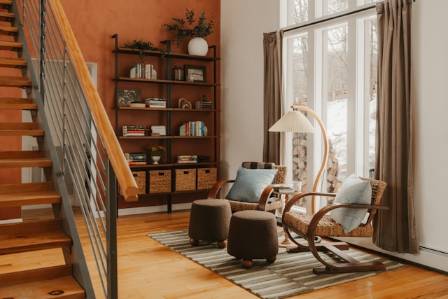
How to create a cosy book nook at home
“If your home has room for a reading nook, take advantage of it. If there isn’t an obvious place for one, make the opportunity yourself,” suggests Soho Home Lead Designer Jessica Sims-Wilson, who works with the Soho Home Design service.
LOG · en
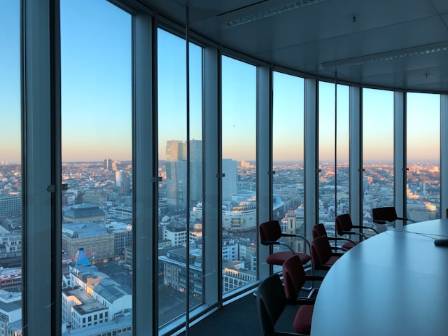
Why Glass Remains the Premier Choice for Contemporary Skyscrapers
Glass facades aren't merely a matter of aesthetics in modern construction; they bring a wealth of advantages to both companies and employees.
LOG · en

The most beautiful sea sunsets to see in Calabria
Looking for a romantic moment to enjoy with someone special? The sunsets over the sea in Calabria create unforgettable memories without costing anything, and their beauty can be appreciated throughout the year.