Wire dispatch
Meet the electric polar explorer conquering Antarctica
If you imagine what awaits you on a journey to Antarctica, the picture probably includes vast stretches of ice, huge numbers of penguins and very few people. What you may not expect to encounter is an electric vehicle. Yet that is exactly what is now operating on the frozen continent.
Reid Ames
Wire note
Signal tip
The full dispatch write-up continues below on the discovery terminal.
Channel
Discovery Wire
If you imagine what awaits you on a journey to Antarctica, the picture probably includes vast stretches of ice, huge numbers of penguins and very few people. What you may not expect to encounter is an electric vehicle. Yet that is exactly what is now operating on the frozen continent.
The latest Venturi Antarctica has become the world's first electric vehicle designed specifically for polar exploration. The vehicle entered service at Belgium's Princess Elisabeth Antarctica research station in December, marking another milestone for electric mobility by bringing an EV to every continent on Earth.
A Purpose-Built Electric Polar Explorer
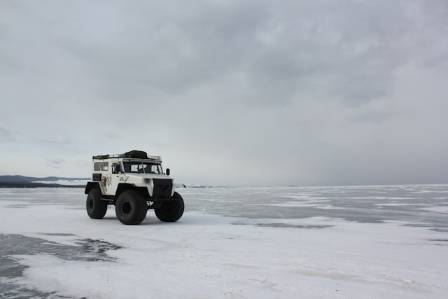
The Antarctica is a compact but rugged exploration vehicle designed to travel across challenging polar terrain. Instead of conventional wheels, it uses caterpillar tracks that allow it to move across snow and other difficult surfaces.
The vehicle was developed by Monaco-based electric vehicle manufacturer Venturi. The company may be familiar to motorsport enthusiasts through its Formula E team, as well as its electric cars and motorcycles that have participated in attempts to establish electric land-speed records.
The original Antarctica was introduced in 2019 and underwent testing in British Columbia, Canada. A substantially revised version was unveiled in June of the following year, receiving numerous upgrades specifically intended to prepare it for demanding operations close to the South Pole.
Size, Capacity and Interior
The Antarctica measures approximately 3.4 meters in length and 2.18 meters in height. With a weight of around 2.5 tonnes, the vehicle can transport as many as six people along with scientific equipment and other necessary supplies.
Two occupants can sit in the front section, while the rear area is designed to be easily reconfigured. Folding seats provide flexibility, allowing the available space to be adapted depending on whether the vehicle is carrying passengers, equipment or a combination of both.
Electric Power and Polar Range
The vehicle is driven by two electric motors, each producing 60 kW of power. Energy comes from a 52.6 kWh battery pack, providing an estimated driving range of approximately 31 miles.
For missions requiring greater distances, the Antarctica can be fitted with a second battery to extend its operating range. Recharging can take anywhere from two to 18 hours, with the exact time depending on environmental conditions and the weather.
The vehicle has also been engineered to function in temperatures as low as -50°C, an essential capability for a machine intended to operate in one of the coldest environments on the planet.
The Inspiration Behind the Antarctica
The project was inspired by HSH Prince Albert II of Monaco following his visit to Antarctica in 2009. His objective was to create a vehicle capable of traveling across the continent while minimizing its environmental impact.
At the time, available technology could not provide a zero-emission vehicle capable of handling rough terrain in temperatures reaching -50°C. According to Venturi president Gildo Pastor, the latest third-generation Antarctica represents the point at which the technology has become sufficiently mature for this demanding environment.
The vehicle is therefore intended not simply as an electric alternative to conventional polar transport, but as a way of supporting scientific activities while reducing the environmental footprint of exploration.
Supporting Scientific Missions
The new Antarctica quickly demonstrated its usefulness after entering service. During its first week of operation in December, the vehicle participated in several scientific and logistical missions.
Among its duties was maintenance work at multiple weather-monitoring stations, as well as work at the Belgian atmospheric observation station positioned on a plateau approximately 2,300 meters above sea level.
Its combination of electric propulsion, tracked mobility and cold-weather capability allows researchers and support teams to carry out essential tasks in areas where conventional vehicles can be difficult to operate.
Princess Elisabeth Antarctica Station
The Princess Elisabeth Antarctica station is located at Utsteinen Nunatak in Queen Maud Land. It began operating in 2009 and is notable for being the only zero-emission research station on the Antarctic continent.
The facility operates using solar and wind power supplied through its own smart-grid system, with backup generators available when required. The station supports teams from Belgium and the International Polar Foundation and serves as a base for scientific and environmental research in the region.
The addition of the electric Antarctica vehicle further strengthens the station's commitment to low-emission operations, demonstrating how electric transportation can be adapted even to some of the most extreme environments on Earth.
More on the wire
LOG · en
Essential Guidelines for Deploying Unmanned Aircraft in Public Infrastructure
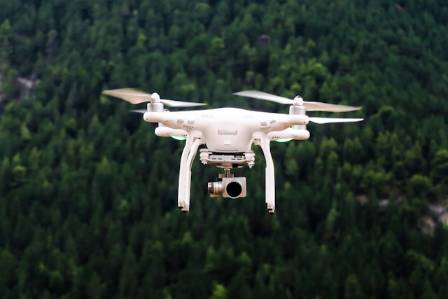
Unmanned aircraft systems (UAS), commonly referred to as drones, have become transformative tools for municipal and government agencies nationwide. By providing access to high-risk or unreachable locations, these devices significantly reduce operational costs and time while enhancing personnel safety. Whether used for infrastructure inspections or geographic mapping, drones offer a level of efficiency that traditional methods cannot match. However, successfully integrating this technology requires a thorough understanding of the regulatory landscape and safety protocols.
LOG · en
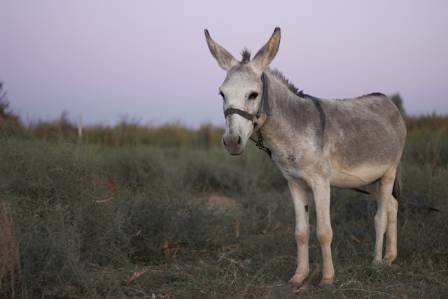
Curious and Remarkable Facts About Donkeys
Donkeys have played a vital role in human history for millennia, earning their place as reliable working companions. Despite being overshadowed by horses in popular culture, these animals are incredibly smart, tough, and socially complex.
LOG · en

Use Design To Create a Powerful Painting
Show off your artistic skills and compete for top honors in Artists Network’s renowned art contests! These competitions span a wide range of mediums and offer participants the chance to win cash awards, be featured in leading art publications, gain international recognition, and earn accolades for their creativity. Additionally, entrants receive expert critiques from distinguished jurors. Bring your vision to life—submit your artwork to a competition today!
LOG · en

The Space Needle: Seattle’s Most Famous Landmark
The Space Needle is widely recognized as one of the most iconic symbols of Seattle and one of the most memorable structures in the United States. Constructed for the 1962 World’s Fair, this futuristic observation tower quickly became the centerpiece of Seattle’s skyline.
LOG · en
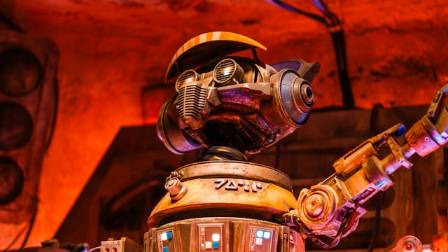
Robots for Fabricated Metals and Manufacturing
FANUC America is a global leader in robotic solutions for metal fabrication, excelling in applications such as arc welding, laser welding and cladding, thick-section resistance welding, friction spot joining, plasma cutting, and laser cutting. Their offerings include both ready-made solutions and fully customized turnkey systems.
LOG · en

The Ultimate Mattress Buying Guide: 16 Essential Questions for Better Sleep
Selecting a new mattress is a significant investment that directly impacts your quality of life. Given that you will spend roughly one-third of your time on this surface, finding a balance between support, comfort, and lifestyle compatibility is vital. To navigate the vast market effectively, you must evaluate your specific needs and preferences before making a purchase.