Wire dispatch
Essential Guidelines for Deploying Unmanned Aircraft in Public Infrastructure
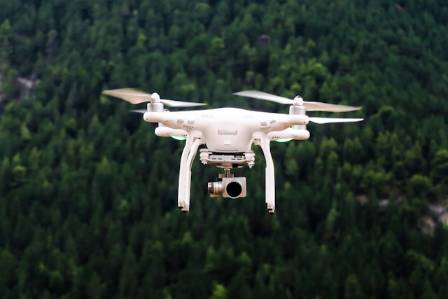
Unmanned aircraft systems (UAS), commonly referred to as drones, have become transformative tools for municipal and government agencies nationwide. By providing access to high-risk or unreachable locations, these devices significantly reduce operational costs and time while enhancing personnel safety. Whether used for infrastructure inspections or geographic mapping, drones offer a level of efficiency that traditional methods cannot match. However, successfully integrating this technology requires a thorough understanding of the regulatory landscape and safety protocols.
Jason Theodore Blackwell
Wire note
Signal tip
The full dispatch write-up continues below on the discovery terminal.
Channel
Discovery Wire
The Strategic Advantage of Drones in Public Works
Unmanned aircraft systems (UAS), commonly referred to as drones, have become transformative tools for municipal and government agencies nationwide. By providing access to high-risk or unreachable locations, these devices significantly reduce operational costs and time while enhancing personnel safety. Whether used for infrastructure inspections or geographic mapping, drones offer a level of efficiency that traditional methods cannot match. However, successfully integrating this technology requires a thorough understanding of the regulatory landscape and safety protocols.
Adherence to Federal Aviation Regulations
Any organization intending to use drones for government or commercial purposes must operate under the Federal Aviation Administration's (FAA) Small UAS Rule, known as Part 107. Established in 2016, this regulation requires that all pilots be at least 16 years old. Furthermore, operators must either hold a remote pilot certificate or work under the immediate supervision of a certified individual. A background check conducted by the Transportation Security Administration (TSA) is also a mandatory prerequisite for legal operation.
Certification and Knowledge Requirements
To obtain a remote pilot license, candidates must pass a comprehensive aeronautical knowledge exam. These tests are held at authorized testing facilities across the country. This ensures that every operator understands the complexities of the national airspace system and the specific safety requirements for unmanned flight.
Physical and Operational Constraints
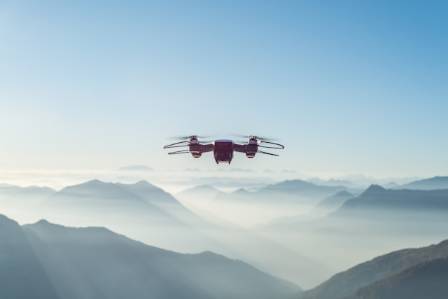
Current federal guidelines impose specific physical limits on aircraft used for public works. Drones must weigh less than 55 pounds to qualify for standard Part 107 operations; anything heavier necessitates specialized federal authorization. Additionally, standard flights are restricted to daylight hours, and the maximum altitude is strictly capped at 400 feet above the ground to avoid interference with manned aircraft.
Navigation and Airspace Restrictions
Pilots are required to maintain a constant visual line of sight with their aircraft during flight to ensure full control and situational awareness. Furthermore, flying in controlled airspace—particularly near airports—requires advance authorization. Systems like the Low Altitude Authorization and Notification Capability (LAANC) now provide nearly instantaneous digital approval for pilots to operate safely within these restricted zones.
Registration and Identification
Every drone utilized for civil or commercial tasks must be formally registered with the FAA. This registration process involves a small fee and remains valid for three years. Once registered, the unique identification number must be clearly displayed on the exterior of the aircraft to ensure accountability and traceability in the field.
Advanced Operations Through Regulatory Waivers
While Part 107 provides the baseline for drone use, agencies may sometimes need to exceed these standard limits. In such cases, the FAA can issue waivers that allow for deviations, such as flying at night, operating multiple drones simultaneously, or flying over populated areas. To receive a waiver, an agency must demonstrate that it has implemented alternative safety measures that provide an equivalent level of security to the standard rules.
Professional Distinction and Safety Education
For public works professionals, obtaining basic certification is only the first step. Advanced professional certifications can distinguish an operator by demonstrating a higher level of flight proficiency, risk management, and safety expertise. These high standards are often highly regarded by stakeholders and can provide a competitive advantage in the field. Engaging with educational campaigns that promote responsible and safe flight is essential for any agency looking to stand out as a leader in modern infrastructure management.
More on the wire
LOG · en

London: The Hidden Struggles Behind the Glamour
Beneath its gleaming façade of historic landmarks and cosmopolitan energy, London harbors a reality rarely seen in tourist brochures. The daily grind in this global metropolis presents a stark contrast to its glamorous reputation, with residents navigating a maze of challenges that define urban life. From financial pressures to social divides, this is an honest exploration of what it truly means to live in the capital.
LOG · en

What Happens to Your Body When You Eat Citrus Fruits Regularly
Citrus fruits—encompassing oranges, lemons, tangerines, limes, grapefruits, and lesser-known varieties like clementines, pomelos, and kumquats—are among the most beloved and widely consumed fruits globally. Native to the tropical and subtropical regions of Asia and Oceania, these vibrant, juicy fruits have spread across continents, adapting to diverse climates and becoming staples in diets from Mediterranean cuisine to Latin American households. Beyond their refreshing flavor and versatility, citrus fruits are nutritional powerhouses: low in calories (typically 40–80 calories per fruit), virtually fat-free, and packed with essential nutrients, antioxidants, and fiber. Whether enjoyed as a quick snack, squeezed into juice, zested into recipes, or added to salads, regular consumption of citrus fruits offers a myriad of health benefits that positively impact nearly every system in the body. From supporting heart health to boosting immunity and enhancing skin vitality, these fruits are far more than just a tangy treat—they’re a simple, accessible way to elevate overall wellness.
LOG · en

Understanding the Complex Nature of Rabbits
Rabbits remain a popular choice for pet owners, yet they are frequently misunderstood. While they are fascinating and endearing creatures, their specific needs and biological behaviors are often overlooked. By debunking common myths and examining their true nature, owners can provide the high standard of care these animals require to thrive.
LOG · en

Everything you need to know about mute swans
Mute swans are a familiar sight on ponds, lakes, rivers, and other waterways in urban areas. Because they often live close to towns and cities, many people encounter them during everyday walks and exercise near their homes. They are the largest and heaviest waterfowl species in the British Isles and are also the only swan species there that remains year-round rather than migrating. However, they may still travel to different parts of the country during winter when better feeding opportunities are available.
LOG · en

The Top 10 Brainiest Creatures on Earth
Animal intelligence is a wondrous and complex facet of our planet's biodiversity. While it's challenging to make direct comparisons, we've discovered remarkable cognitive abilities in various species, shedding light on the rich tapestry of intellect that exists in the animal kingdom. Here's a list of some incredibly smart animals
LOG · en

Five Potential Health Benefits of Lotus
The lotus plant is an aquatic species available in various colors. Its leaves, petals, and seeds can be prepared and eaten in multiple ways. Consuming lotus may provide certain health advantages.