The lotus plant is an aquatic species available in various colors. Its leaves, petals, and seeds can be prepared and eaten in multiple ways. Consuming lotus may provide certain health advantages.
Scientifically known as Nelumbo nucifera, the lotus is an aquatic plant widely cultivated across Asia. It plays a significant role in culinary traditions of many Asian countries, and for thousands of years, different parts of the plant and their extracts have been utilized in traditional medicine.
Modern research is investigating its possible health effects. Certain compounds found in lotus exhibit antioxidant and anti-inflammatory properties.
Here are five potential health benefits of lotus, along with some important cautions to consider.
What is Lotus?
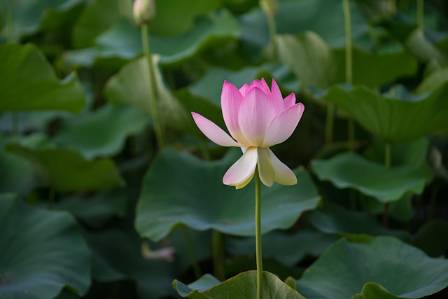
The lotus, or Nelumbo nucifera, is also called sacred lotus or Indian lotus. While grown worldwide, it is particularly prevalent in Asia, including India and Southeast Asia. It thrives in watery environments and is often mistaken for water lilies. The plant features cup-shaped flowers with petals and large green leaves, with flowers ranging in color from white and pink to red or blue.
Lotus has been consumed in Asia for roughly 7,000 years. Its stems and roots are commonly added to soups and stir-fries, while the leaves, flowers, and seeds are also used in various dishes.
Beyond its culinary uses, lotus flowers are culturally significant as ornamental plants in Asia, symbolizing purity, longevity, and beauty in Buddhism and Hinduism, which is why it is often called the sacred lotus.
Additionally, traditional medicine has long used the stems, seeds, leaves, and flowers of lotus to treat ailments like diarrhea, infections, cough, hypertension, and fever.
Lotus is available in multiple forms including dried roots, teas, powders, capsules, and extracts.
Today, scientific interest focuses on its health benefits, mainly due to the many beneficial compounds such as flavonoids and alkaloids it contains.
Rich in Antioxidants

Lotus plants contain numerous flavonoids and alkaloids that act as antioxidants. Antioxidants help neutralize free radicals — unstable molecules that can cause oxidative stress, damaging cells and leading to various diseases.
Key antioxidant compounds in lotus include kaempferol, catechin, chlorogenic acid, and quercetin. These antioxidant properties are especially concentrated in the seeds and leaves.
Though human research is limited, it is believed that these antioxidants may help protect against conditions linked to oxidative stress such as cancer, Alzheimer’s disease, and liver damage.
One laboratory study found that lotus leaves, petals, and stamens (the pollen-producing part) demonstrated strong antioxidant effects and inhibited enzymes related to Alzheimer’s disease.
More studies in humans are necessary to clarify lotus’s full antioxidant and protective capabilities.
May Reduce Inflammation
Lotus compounds may have anti-inflammatory effects. Chronic inflammation, caused by infections, unhealthy diets, smoking, or sedentary lifestyles, can harm tissues and contribute to heart disease, cancers, and diabetes.
Inflammation involves immune cells called macrophages that release signaling proteins known as pro-inflammatory cytokines.
Research indicates that lotus compounds like quercetin and catechin may help block or reduce these inflammatory signals.
Extracts from lotus leaves and seeds have shown anti-inflammatory activity. For instance, one lab study found lotus leaf extract inhibited inflammatory molecules such as tumor necrosis factor-α (TNF-α), interleukin 6 (IL-6), nitric oxide (NO), and prostaglandin E2 (PGE2).
Another study using mouse cells observed that extracts from lotus seeds and leaves reduced the expression of genes that promote inflammation.
Though promising, human studies are required to confirm these effects.
Antibacterial Properties
Lotus has also been studied for antibacterial potential, especially against bacteria in the mouth.
While the exact mechanisms remain unclear, the plant’s diverse bioactive compounds likely contribute.
Research suggests that lotus leaf extracts can inhibit bacteria responsible for cavities and gum disease, making it a candidate for oral health products like toothpaste.
However, these findings are based on lab tests, so further human research is needed.
May Help Control Blood Sugar
Animal studies hint that lotus compounds could aid in lowering blood glucose levels, which is crucial for managing diabetes.
In one study, lotus leaf extract significantly reduced blood sugar in diabetic rabbits compared to standard medication.
Another experiment showed that lotus seed extract lowered glucose levels in mice.
Additionally, a carbohydrate component (polysaccharide) from lotus leaves decreased fasting blood sugar in rats with gestational diabetes.
The sugar-lowering effect might be related to the antioxidant content of lotus, though more human research is required to understand this relationship fully.
Culinary Uses and Functional Food Potential
Given its possible health benefits, lotus can be incorporated into many dishes to enhance nutritional value.
Adding lotus can transform regular foods into “functional foods,” which contain ingredients with health-promoting properties.
For example, lotus stem powder has been added to sausages to increase fiber and antioxidant content without compromising taste or quality.
Similarly, lotus seed flour has been used to replace wheat flour in cookies, which were well accepted in taste tests.
Lotus continues to be explored for use in functional food development.
In everyday cooking, fresh lotus is commonly added to soups and stir-fries.
Dosage and Safety
There is no standard dosage for lotus products. Eating lotus in amounts typical of food use is generally safe.
Supplement doses vary widely, from 1–2 grams of capsules to up to 15 grams of root powder daily.
Research on safety and side effects is limited. Consult a healthcare provider before using lotus supplements, especially if you take other medications.
Pregnant or breastfeeding women should avoid lotus supplements due to unknown risks.