Wire dispatch
Guardians of the Great Wall
Far out in the Gobi Desert of northwestern China’s Gansu province, surviving sections of the Great Wall from the Han Dynasty remain standing. Constructed layer by layer with fine sand and materials such as reeds and red willow branches, these ancient defenses have endured for roughly two thousand years. What began as a military system has now become an important example of living cultural heritage.
Thea Monroe
Wire note
Signal tip
The full dispatch write-up continues below on the discovery terminal.
Channel
Discovery Wire
Far out in the Gobi Desert of northwestern China’s Gansu province, surviving sections of the Great Wall from the Han Dynasty remain standing. Constructed layer by layer with fine sand and materials such as reeds and red willow branches, these ancient defenses have endured for roughly two thousand years. What began as a military system has now become an important example of living cultural heritage.
Countless sandstorms over the centuries have failed to erase these remains or conceal the historical evidence of commercial and cultural contact between East and West. The persistent desert winds have also been unable to silence memories of the ancient Silk Road and the important role this region once played.
Dunhuang lies at the western end of the Hexi Corridor, the principal passageway of the ancient Silk Road. It is home to one of the best-preserved portions of the Han Dynasty Great Wall.
According to Zhang Chunsheng, deputy director of Dunhuang’s cultural relics preservation department, the Great Wall and its beacon towers extend for nearly 124 miles, much of the route passing through the uninhabited wilderness northwest of the city.
Yumen Pass and the Ancient Frontier
At Yumen Pass, also called Jade Gate Pass, swallows with distinctive forked tails glide above the roofless remains of an old rectangular fortress. Visitors walking through the exposed landscape hunch against the powerful wind, with little protection beyond their clothing.
To the north, scattered wetlands lie among an enormous expanse of shrubs. Farther away, remnants of the Han Dynasty Great Wall stretch from east to west, accompanied by the natural defenses formed by the Shule River and Mazong Mountain.
The original defensive system was constructed during the reign of Emperor Wudi of the Western Han Dynasty, who ruled from 156 to 87 BC. It was initially intended to protect the empire from the Xiongnu nomads. Later, the pass also served a role comparable to a customs checkpoint, controlling movement and trade along this important western route.
Yumen Pass was among the major fortified gateways established by the Han Empire at the western end of the Hexi Corridor. In 2014, the Yumen Pass archaeological site became part of the UNESCO World Heritage property known as the “Silk Roads: The Routes Network of Chang’an-Tianshan Corridor,” a transnational heritage site shared by China, Kazakhstan, and Kyrgyzstan.

Hecang Fortress in the Desert
Around a dozen miles from Yumen Pass, the landscape becomes even more isolated, reaching areas where mobile phone signals disappear completely.
Lizards blend almost perfectly into the surrounding rocks, remaining motionless as their slender, ribbon-like tails curl and suddenly unfold. In this remote environment stand the remains of Hecang Fortress, an ancient military granary that also dates to the Western Han Dynasty.
The ruins preserve evidence of the logistical system that supported the military presence along this distant section of the Silk Road. Even today, protecting such fragile remains in the harsh desert requires constant attention.
Guardians of the Ancient Ruins
The sound of visitors' footsteps is sometimes interrupted by the voice of ranger Chen Wanying. From a small and rather inconspicuous bungalow nearby, she broadcasts the visitor regulations and watches the area carefully.
Her responsibility is to make sure tourists do not cross protective barriers, accidentally step on archaeological remains, or otherwise damage the fragile historical structures.
The desert environment is extremely harsh. During summer, surface temperatures can approach 60 degrees Celsius. Chen, now 58, and her husband, Zhang Jianjun, have spent 11 years living in this barren landscape while protecting the archaeological remains.
Their living conditions are basic. They depend on solar panels for electricity and a wireless network for communication, while there is no running water. Water from a nearby well is alkaline but can be used for cooking. For drinking water, however, they must travel elsewhere to collect a safer supply.
Protecting the Great Wall
The couple regularly patrols the archaeological remains under their responsibility. Their assigned section of the ancient Great Wall stretches for approximately 1.2 miles.
Whenever they discover damage or anything unusual, they notify the local cultural relics preservation authorities. Specialists can then visit the site, assess the problem, and determine what maintenance or conservation work is necessary.
Their work is not limited to protecting the ruins from natural erosion or careless visitors. They must also deal with animals that wander through the desert at night.
A Nighttime Challenge
Zhang Jianjun explains that one of the hardest parts of their duties is preventing livestock and other animals, including cattle, horses, camels, and donkeys, from approaching the ancient wall after dark.
Cattle are particularly troublesome because insects and parasites can make them uncomfortable, causing them to rub their bodies against the wall to relieve the irritation. Such repeated contact can weaken and damage the already fragile structure.
As a result, the couple often has to drive animals away from the ruins, sometimes repeating the task several times during a single night.
Passing on the Responsibility
As Zhang Jianjun approaches his 60th birthday, retirement is drawing closer after many years devoted to protecting the historic site.
Although he will eventually leave the desert, he hopes to hand the ruins over to the next generation of guardians in good condition. He also wants to pass along the experience he has gained during his years of work.
For him, protecting these ancient remains requires more than simply watching over the walls. A successful guardian must possess patience, endurance, courage, and determination. Those qualities are essential for preserving a fragile piece of history that has already survived two thousand years of wind, sand, and time.

More on the wire
LOG · en
Ginkgo Tree Overview
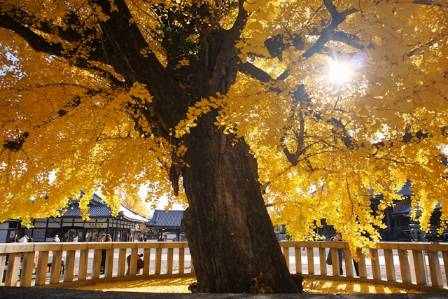
Ginkgo biloba, commonly called the ginkgo tree or maidenhair tree, is one of the most distinctive and attractive trees found in urban landscapes. Its unusual fan-shaped leaves, brilliant golden color in autumn, and broad mature branches give it a unique appearance that separates it from many other commonly planted trees.
LOG · en

Everything you need to know about mute swans
Mute swans are a familiar sight on ponds, lakes, rivers, and other waterways in urban areas. Because they often live close to towns and cities, many people encounter them during everyday walks and exercise near their homes. They are the largest and heaviest waterfowl species in the British Isles and are also the only swan species there that remains year-round rather than migrating. However, they may still travel to different parts of the country during winter when better feeding opportunities are available.
LOG · en
Winter Wonderland Destinations
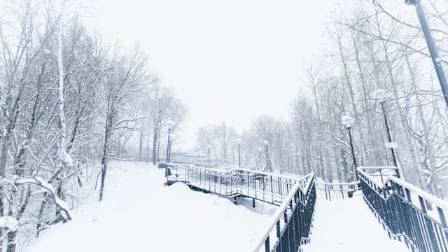
Some places transform into magical landscapes when winter arrives, turning into true winter wonderlands. These destinations, draped in snow or iced with frost, showcase the beauty of the colder months. Here are a few of the most breathtaking winter locations from around the world.
LOG · en

Floral Imagery in Art: A Legacy of Beauty and Symbolism
Throughout history, blooms have symbolized life, rebirth, and creation. From ancient wall markings to religious imagery depicting Eden as an untouched sanctuary, botanical subjects have long been part of visual storytelling. Painters across generations have infused blossoms with layered meanings—roses, irises, tulips, and carnations all carry distinct cultural associations. Their visual richness, combined with their emotional resonance, has made them central to some of the most celebrated works in Western art, like Monet’s Water Lilies or Van Gogh’s Sunflowers. A single petal can hint at innocence, desire, sorrow, or transformation. Beyond metaphor, flowers have captured artists through their vibrant hues and aesthetic elegance.
LOG · en

A Journey Through Still Life: Famous Fruit Paintings in Art History
For centuries, the humble fruit has been a powerful subject in art, serving as a vehicle for exploring color, form, symbolism, and the very nature of artistic representation itself. From demonstrations of technical skill to profound allegories of life and mortality, fruit paintings offer a fascinating glimpse into the minds of the artists who created them. This exploration highlights ten significant works that showcase the diverse ways artists have approached this enduring theme.
LOG · en

Top 10 Delicious Ways to Enjoy Bok Choy
Bok choy, also known as Chinese cabbage, is a versatile vegetable with a mild, sweet flavor and crisp texture. Whether you're looking for a healthy addition to salads, a quick stir-fry, or a nutrient-packed side dish, bok choy offers plenty of options. Here are 10 creative ways to enjoy this leafy green in your meals.