Wire dispatch
The Most Vital Habitats: 5 Types of Monarch Habitat
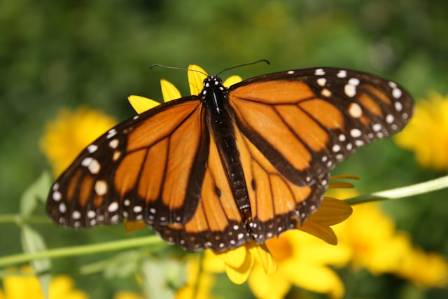
monarch butterflies rely on milkweed to complete their life cycle, so habitat can be anywhere milkweed grows. This overview highlights five common monarch habitats where milkweed and the butterflies themselves can thrive: Gardens, Managed Corridors, Agricultural Areas, and Natural and Restored Areas. Each section outlines what makes these spaces suitable and practical guidelines for supporting monarch populations.
Sarah Williams
Wire note
Signal tip
The full dispatch write-up continues below on the discovery terminal.
Channel
Discovery Wire
Introduction
monarch butterflies rely on milkweed to complete their life cycle, so habitat can be anywhere milkweed grows. This overview highlights five common monarch habitats where milkweed and the butterflies themselves can thrive: Gardens, Managed Corridors, Agricultural Areas, and Natural and Restored Areas. Each section outlines what makes these spaces suitable and practical guidelines for supporting monarch populations.
Gardens
Urban and suburban spaces home to butterfly gardens can become crucial monarch havens. Gardens may be as small as a few square feet in a backyard or as large as an education- or corporate-site garden. By providing milkweed and nectar plants, these plots support monarchs and other pollinators while serving as outdoor classrooms for conservation education.
Key components of garden habitat:
- Sunny locations with some wind protection
- At least one native milkweed species for caterpillar food
- A diverse mix of nectar plants with staggered bloom times to sustain butterflies year-round
- Avoidance of herbicides and pesticides to protect caterpillars and adults
- Education and outreach opportunities, especially in schools and community spaces
Managed Corridors
Rights-of-way and utility corridors offer vast opportunities for monarch habitat when managed thoughtfully. The U.S. highway system and other linear landscapes can support breeding and migration if invasive species are controlled and native flowering plants are established.
Key components of managed corridor habitat:
- A mix of native flowers with overlapping bloom times to ensure continuous nectar
- Native milkweed to feed caterpillars
- Minimal, well-timed management: mow after plant die-back or dormancy; avoid mowing during active breeding seasons
- Avoidance of insecticides; if necessary, use the least toxic options and apply when pollinators are least active
- Targeted herbicide use and mechanical removal of shrubs to maintain butterfly habitat
- Invasive species control by targeted or mechanical means
- Public education through signs and brochures at rest stops and high-traffic areas
Agricultural Areas
Historically, milkweed grew alongside crops, providing essential forage for monarch caterpillars. Modern farming often reduces milkweed due to herbicide-tolerant crops, but farmers are increasingly adopting pollinator-friendly practices to support monarchs.
Key components of agricultural habitat:
- Native flowers in fallow fields, hedgerows, and field margins with overlapping bloom times
- Native milkweed planted in unused areas to feed caterpillars
- Low till or no till farming to protect milkweed and soil biodiversity
- Pesticide avoidance or minimal, well-timed use of the least toxic options
- Targeted herbicide applications and mechanical removal of shrubs to preserve habitat
- Resources like Farming for Bees: Guidelines for Providing Native Bee Habitat on Farms offer additional guidance
Natural and Restored Areas
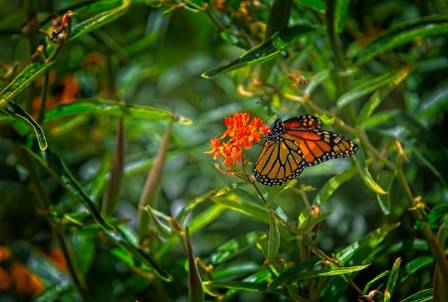
Natural areas include preserves and parks not used for other purposes, while restored areas are lands repurposed for conservation. These habitats may exist in high-traffic places such as trail margins, campsites, and picnic areas, where monarch-friendly enhancements can be added.
Key components of natural/restored habitat:
- A mix of native flowers with varied bloom times to support ongoing nectar needs
- Native milkweed to provide monarch caterpillar food
- Minimal mowing to avoid disrupting butterflies during migration; patch mowing helps recolonization
- Avoidance of pesticides and minimal herbicide use; targeted management when necessary
- Resources like Parks for Monarchs: A Guide for Monarch Conservation offer practical strategies for parks and recreation areas
Conclusion
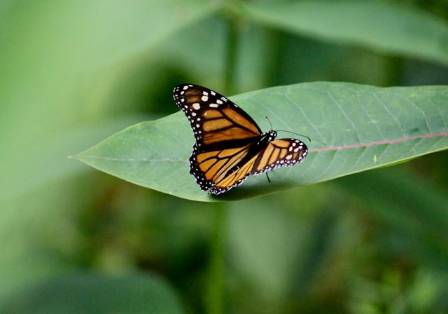
Protecting and restoring monarch habitats across gardens, corridors, farms, and natural/restored spaces helps sustain this iconic species. By prioritizing milkweed, nectar sources, and careful land management, communities can support monarch breeding, migration, and survival for generations to come.
More on the wire
LOG · en

Seven Extraordinary Buses Around the World That Will Astonish You
In the realm of transportation, certain buses transcend their utilitarian purpose, transforming into immersive cultural experiences. These exceptional vehicles offer passengers more than just a ride; they provide a journey through the heart and soul of their surroundings. From vibrant, art-adorned minibuses in Kenya to innovative amphibious buses in London and Amsterdam, let's embark on a global tour of seven remarkable buses that redefine travel.
LOG · en
Impact of 4 Seasons on Trees
Let's discover the impact of 4 seasons on trees!
LOG · en
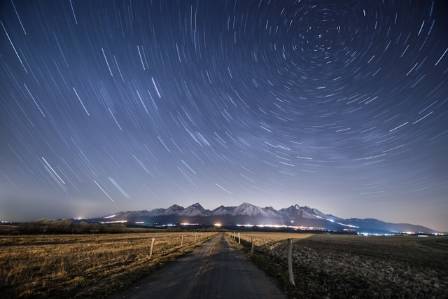
6 Points to Strategize Your Star Trail Photography
Capturing stunning star trails requires meticulous planning, considering various factors such as weather conditions, light pollution, lunar phases, and location. By adhering to the following guidelines, you can streamline the process and ensure captivating results in your star trail shots.
LOG · en

The most beautiful and useful kettles
A new kettle is probably somewhere on your wish list. Ideally, you want one that does its job well without becoming an eyesore in your carefully styled kitchen. We searched for kettles that combine practical function with attractive design, making them excellent choices for your own home or thoughtful gifts for a birthday, Christmas Eve, or a present beneath the tree.
LOG · en
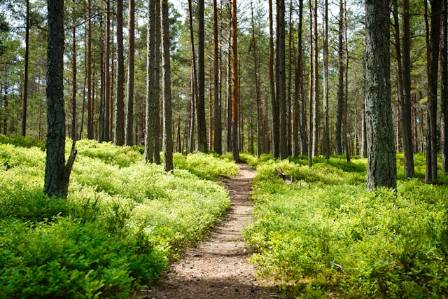
The Most Scenic Hiking Trails in Michigan
Michigan’s varied landscapes, impressive natural scenery, and four distinctive seasons make hiking throughout the state an experience worth remembering.
LOG · en

Whales: Ancient Sages of the Deep
Whales are frequently regarded as the sentinels of the sea and timeless vessels of ancestral knowledge. Living for generations, their presence echoes themes of endurance, continuity, and deep insight.