Needle Felting Animals Made Easy: The Secret Method That Actually Works

Wire dispatch

Needle Felting Animals Made Easy: The Secret Method That Actually Works

Getting the shape and size of a needle felted animal right is one of the biggest worries for beginners. You look at a photo of the real thing, or worse still, a finished project made by somebody else, and it is enough to stop you in your tracks. It feels too complicated, too detailed, and almost impossible to copy.

S

Scarlet

Wire note

Signal tip

The full dispatch write-up continues below on the discovery terminal.

Channel

Discovery Wire

Getting the shape and size of a needle felted animal right is one of the biggest worries for beginners. You look at a photo of the real thing, or worse still, a finished project made by somebody else, and it is enough to stop you in your tracks. It feels too complicated, too detailed, and almost impossible to copy.

Quick Navigation

The good news is, you do not need to start with perfection. In fact, the last thing you should be doing is trying to match the finished look straight away. Instead, think of your animal as a collection of simple scaffolding shapes. These are the building blocks that will carry the weight of your final project, and they are far less intimidating than trying to recreate a whole animal from the off.
Once those core shapes are in place, the rest of the work becomes much more manageable. You can add detail, blend in colours, and refine features knowing that your animal already has the right proportions underneath. That is the secret to moving past the overwhelm and building real confidence in your felting.

Working Backwards: Break Animals Down into Basic Shapes
One of the biggest stumbling blocks for beginners is figuring out how to start shaping an animal. The photos look amazing, the wool’s ready, but getting from fibres to a well-proportioned kangaroo, sheep or fox? That can raise you anxiety before you even start.

Try Reverse Engineering: Start from the Inside Out

Instead of wrestling with photos or comparing yourself to a polished project, strip the animal right back to its basics. Every creature, no matter how complex it looks, can be broken down into a handful of core shapes. A barrel for the body, a ball for the head, a couple of cones or rods for the legs. These are your scaffolding pieces, and once they are in place, you already have a solid framework that feels achievable.
This is what I call reverse engineering: starting from the inside out. You are not copying a finished surface, you are building the hidden structure that makes the animal work. By working this way, you free yourself from the pressure of getting it “right” on the first try. Instead, you focus on size, proportion, and balance, which gives you far more control over the end result.
When you look back at the finished animal later, you will see how those simple shapes have transformed into something much more detailed and alive. But it all begins with that stripped-back foundation.

Needle Felting Patterns

Want to skip the guesswork? My patterns include templates and size guides, so you’ll know exactly where to start. Browse them here

Pro Tip: Stop Looking at Real Animal Photos (For Now)

Real animal photos are brilliant for colour, texture and detail, but not for starting shapes. That’s because your brain goes into overdrive trying to copy what it sees, and before you know it, you’re knee-deep in sculpting an eyelid when you haven’t even finished the body.
Instead, search for a kangaroo outline or whatever animal you’re making. Simple, black-and-white line drawings (like children’s colouring pages) are your best friend here. They show you what shapes are actually there, without all the visual noise.

Core Shapes: The Building Blocks of Every Animal
Every animal, no matter how detailed, is made up of simple building blocks. When you train your eye to see these, the whole process of needle felting becomes far less overwhelming. Here is how to start:

1. Head

Most animal heads can be reduced to a ball or an oval. Think of it as the anchor for everything else: eyes, ears, and muzzle can only sit correctly if the head shape is sound.

2. Body

A barrel shape is the go-to starting point. It can be long and lean (like a hare), short and rounded (like a hedgehog), or plump and oval (like a sheep). This shape gives you the bulk and balance for the animal.

3. Legs

Rods and cones make up the basic scaffolding for legs. A cone works well if you need tapering, like for a fox’s leg. Rods suit chunkier builds, such as a pig or bear.

4. Tail and Extras

Most tails begin as cones or teardrops, while features like ears and wings can be added as flattened teardrops or thin ovals.

Putting It All Together

Once you have your collection of shapes, lay them out in rough proportion before you join them. Do not worry about details or neat edges yet. The important thing at this stage is to check the size and relationship between each piece. A head that is too large or legs that are too short are much easier to correct now, before you start blending and refining.
Think of it like building a simple wooden puppet: the structure comes first, then the personality follows. When your foundations feel balanced, you are ready to move on to layering on wool, adding details, and watching your animal come to life.

More on the wire

LG

LOG · en

Top 6 Waterfront Destinations in the United States

Top 6 Waterfront Destinations in the United States

If you're yearning for some rest and relaxation, consider a getaway to a waterfront town or city, where you can unwind, bask in the balmy breeze from rivers or oceans (including bays and gulfs), and explore the unique charm of these picturesque locations. From charming New England beach towns to historic Southern cities, the United States boasts a variety of waterfront locales, each offering a delightful mix of activities, delectable food and drink options, and breathtaking waterfront views.

LG

LOG · en

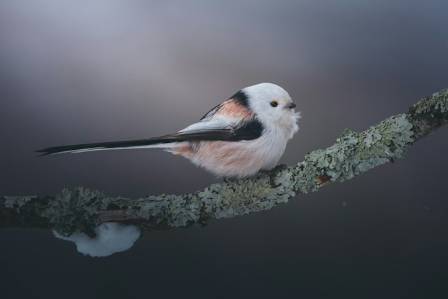
Long-tailed Tits: The Tiny Birds That Travel as a Family

Long-tailed Tits: The Tiny Birds That Travel as a Family

A crisp, high-pitched “see-see-see” sound suddenly cuts through the stillness of a winter day. Soon afterward, a handful of tiny birds come into view, their rounded bodies perched at the end of remarkably long, slender tails. They dart from branch to branch, calling back and forth, hunting for minute insects, and vanishing almost as quickly as they appeared.

LG

LOG · en

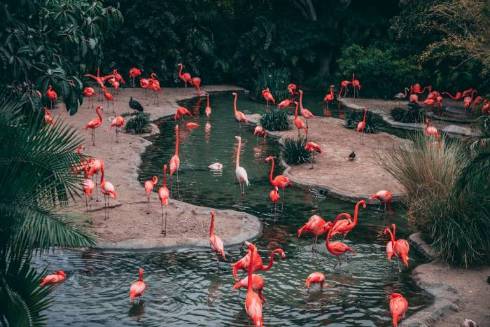
Flamingos' Sun-Fighting Beauty Routine: Keeping the Pink Alive

Flamingos' Sun-Fighting Beauty Routine: Keeping the Pink Alive

Greater flamingos aren't interested in sporting sun-faded neck feathers. In fact, they have a unique way of maintaining their vibrant pink plumage, which scientists have recently unveiled. These leggy birds, scientifically known as Phoenicopterus roseus, utilize a serum secreted by glands near their tails to both enhance and safeguard their feathery hues against the sun's bleaching effect. It's not just about looking pretty; flamingos' feathers play critical roles in flying, staying dry, and attracting mates.

LG

LOG · en

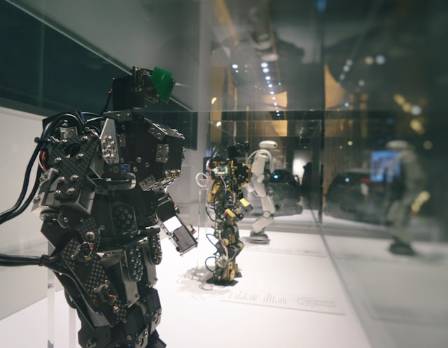
10 Most Advanced Humanoid Robots

10 Most Advanced Humanoid Robots

Advancements in technology have made humanoid robots increasingly lifelike, improving how they move, react, and interact. These robots are designed to walk, communicate, and even simulate thinking. Some are built for scientific research, while others are used in areas like healthcare and customer service.

LG

LOG · en

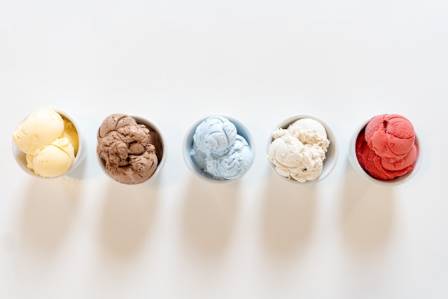
The Ultimate Ice Cream Showdown: 8 Popular Brands Ranked

The Ultimate Ice Cream Showdown: 8 Popular Brands Ranked

For many, ice cream is a year-round indulgence, not just a summer treat. But with so many brands lining the freezer aisle, how do you know which one is truly worth your money? To find out, I conducted a blind taste test of cookies 'n' cream ice cream from eight popular brands. This flavor, with its simple vanilla base and chocolate cookie mix-ins, serves as an excellent benchmark for overall quality. Here are the results, ranked from least to most impressive.

LG

LOG · en

Master the Art of Illustrating a Fairytale Castle

Master the Art of Illustrating a Fairytale Castle

In this guide, you will learn how to design a magnificent fantasy fortress. This style takes inspiration from iconic cinematic castles and their real-world muse, Germany's Neuschwanstein Castle. Unlike strictly functional medieval forts, a fantasy castle prioritizes romantic aesthetics and grand silhouettes. We will build this structure piece by piece, using simplified techniques to keep the process accessible for any artist.