Wire dispatch
Master the Art of Illustrating a Fairytale Castle
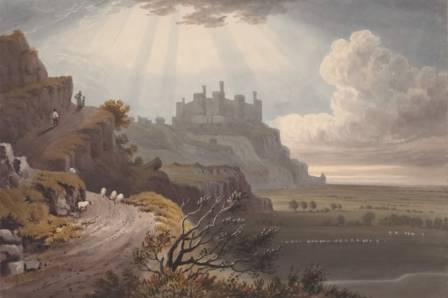
In this guide, you will learn how to design a magnificent fantasy fortress. This style takes inspiration from iconic cinematic castles and their real-world muse, Germany's Neuschwanstein Castle. Unlike strictly functional medieval forts, a fantasy castle prioritizes romantic aesthetics and grand silhouettes. We will build this structure piece by piece, using simplified techniques to keep the process accessible for any artist.
Evelyn Grace Hollingsworth
Wire note
Signal tip
The full dispatch write-up continues below on the discovery terminal.
Channel
Discovery Wire
In this guide, you will learn how to design a magnificent fantasy fortress. This style takes inspiration from iconic cinematic castles and their real-world muse, Germany's Neuschwanstein Castle. Unlike strictly functional medieval forts, a fantasy castle prioritizes romantic aesthetics and grand silhouettes. We will build this structure piece by piece, using simplified techniques to keep the process accessible for any artist.
Establishing the Foundation and Gatehouse
Every great castle needs a strategic location. Begin by sketching a rugged hill or a medieval landscape. Traditionally, these structures were built on elevated ground to make them easier to defend. Once your landscape is set, draw a flat foundation to level the earth for construction.
Next, create the central gatehouse by drawing a rectangle on the foundation. Use diagonal lines to find the center, then add two symmetrical rectangles on either side to serve as the base for the towers. Crown the gatehouse with a triangular roof and give each side tower a conical top. To add depth, draw an arched gateway and a small balcony directly above it. You can also place miniature decorative balconies on the sides of the towers for extra flair.
Constructing the Castle Keep
The keep is typically the strongest and thickest part of a castle. Position this large, robust tower on the right side of your drawing. To make it look more impressive, build it in sections: start with a wide base, then add a narrower tower on top. You can create a tiered effect by extending the upper levels slightly outward before finishing with a sharp, conical roof. While most towers are circular, feel free to experiment with square or hexagonal bases to add visual variety.
Designing the Main Palace Building
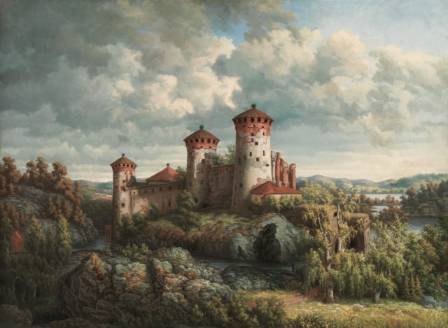
A fantasy castle serves as a residence, not just a military outpost. To reflect this, sketch a large rectangular building in the center of your complex. Unlike the towers, this should look like a grand manor with a traditional gabled roof. To integrate it into the fortress theme, attach decorative towers to its corners. Make the base of these towers thicker and add ornamental flourishes where the walls meet the roof to give the building a more regal, lived-in appearance.
Adding the Grand Watchtower and Background Spires
To create a sense of scale, add a soaring watchtower between the keep and the main residence. This should be the tallest point of your castle. Build it using a series of "shelves" or tiers that gradually get narrower as they go up. Adding a tiny turret branching off the side of the main mast will enhance the intricate "fairytale" aesthetic.
Fill any remaining gaps in your composition with smaller spires in the background. These distant towers help create a sense of depth and make the castle feel like a sprawling complex. You can also add smaller functional buildings, like stables or storehouses, tucked behind the main walls.
Crafting the Grand Entrance Stairs
For an inviting look, draw a long, curving staircase leading up the hill to the gatehouse. Start by sketching the curve of the path, then duplicate that line to create the width of the stairs. Add a stone balustrade with regular posts to frame the walkway.
Because the castle is massive, the individual steps should be drawn very small to emphasize the scale of the architecture. If you prefer a more realistic or defensive look, you could replace these wide stairs with a barbican and a drawbridge.
Detailing and Finishing the Illustration
Now that the basic forms are in place, it is time to add character. Draw crenellations—the notched "teeth" atop the walls—on every tower. Ensure they follow the perspective of the circular towers by drawing them narrower as they curve toward the edges. Add windows throughout the structure: keep them small and slit-like on the defensive walls, but make them large and arched on the main residential building.
To finish your artwork, go over your sketch with a clean outline. Start with the structures in the foreground, like the gatehouse, and move toward the background towers. Finally, add environmental details like rolling clouds and distant trees. Darkening the outlines of the closest buildings while keeping the background lines lighter will provide a professional sense of depth and atmospheric perspective.
More on the wire
LOG · en

8 Brilliant Uses for Lemons You Probably Didn’t Know About
Lemons are far more versatile than you might think. Beyond their common role in recipes and beverages, these zesty fruits can be used in everything from cleaning solutions to personal care. If you’ve got a bowl of lemons sitting on your counter, don’t let them go to waste—put them to good use with these clever ideas.
LOG · en
What to Do If You’re Caught in a Winter Storm
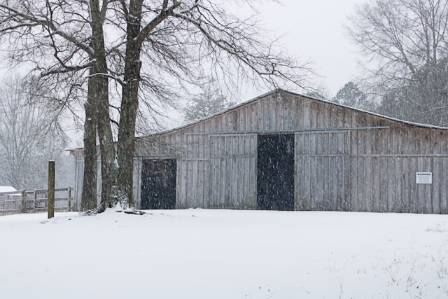
When caught in a winter storm, there are important steps you can take to protect yourself, whether you're outside, in a vehicle, or inside your home or office.
LOG · en
Hosta Plantaginea: A Shade Garden Favorite
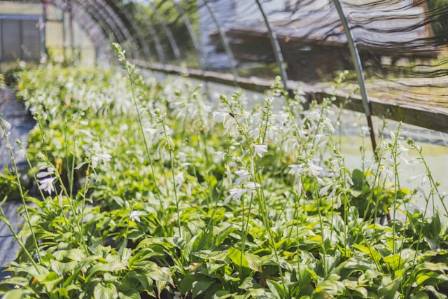
Hosta plantaginea is a perennial flowering plant belonging to the Asparagaceae family and the Hosta genus. It is commonly known by names such as Plantain Lily, Fragrant Hosta, Jade Hairpin, White Crane Flower, and White Jade Lily.
LOG · en
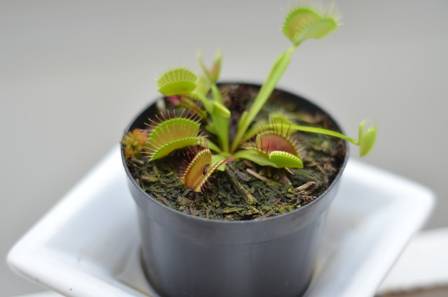
Everything you need to know about the Venus flytrap
The Venus flytrap, scientifically known as Dionaea muscipula, is one of the most unique carnivorous plants in the world. Even today, its unusual feeding behavior continues to intrigue scientists and plant enthusiasts. The plant’s remarkable ability to capture and digest insects comes from its specialized trapping leaves, which are responsible for its famous and intimidating name.
LOG · en
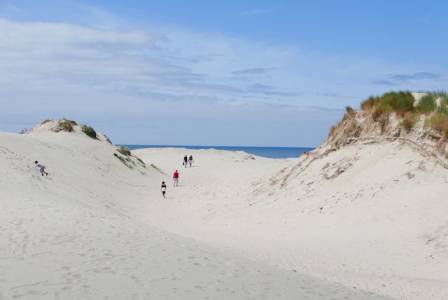
8 of the Best Coastal Sand Dunes You Need to Explore in California
California’s coastline is dotted with sand dunes that offer both adventure and natural beauty. From wide open spaces for play to delicate habitats teeming with plants and wildlife, these dunes provide something for every type of explorer.
LOG · en
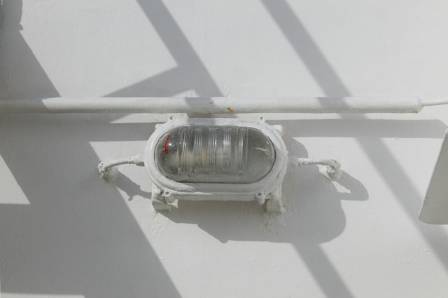
Boat Navigation Lights Every Boater Should Know
Navigation lights are designed to help prevent collisions after dark and during periods when visibility is limited. They are a crucial part of boating safety, helping you identify nearby vessels while also making your own boat visible to others.