Wire dispatch
Hosta Plantaginea: A Shade Garden Favorite
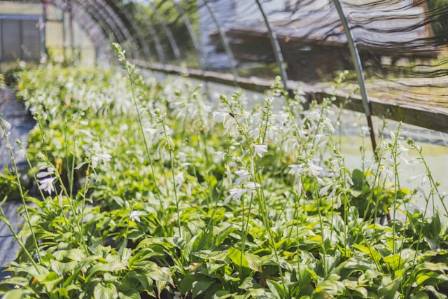
Hosta plantaginea is a perennial flowering plant belonging to the Asparagaceae family and the Hosta genus. It is commonly known by names such as Plantain Lily, Fragrant Hosta, Jade Hairpin, White Crane Flower, and White Jade Lily.
David Walker
Wire note
Signal tip
The full dispatch write-up continues below on the discovery terminal.
Channel
Discovery Wire
Hosta plantaginea is a perennial flowering plant belonging to the Asparagaceae family and the Hosta genus. It is commonly known by names such as Plantain Lily, Fragrant Hosta, Jade Hairpin, White Crane Flower, and White Jade Lily.
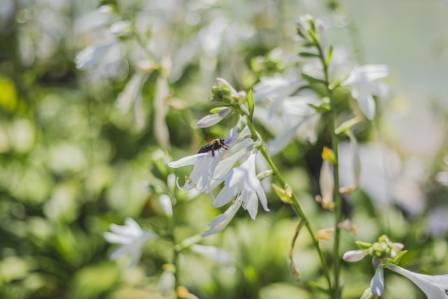
The plant produces clusters of broad leaves that are heart-shaped or oval in form. Flower stalks emerge from the center of the foliage, carrying racemes of elegant white or lavender blossoms. These flowers are pleasantly scented and feature a long, slender floral tube.
Each bloom opens into six petal-like segments that form a trumpet or funnel-shaped structure. The flowering season generally lasts from July through September.
Although Hosta plantaginea contains toxic compounds if ingested, its fragrance is harmless to people. As long as the plant is not eaten, it can be safely cultivated indoors or outdoors for ornamental purposes.
Basic Overview
Hosta plantaginea, sometimes referred to as White Plantain Lily or White Crane Immortal Flower, is a long-lived herbaceous perennial valued for both its attractive foliage and fragrant flowers.
The plant develops dense clusters of basal leaves that may be ovate, elliptical, or heart-shaped. Flower stalks typically reach between 40 and 80 centimeters in height and carry several to more than a dozen blooms. Individual flowers are usually 10 to 13 centimeters long, pure white in color, and highly fragrant.
Its fruit develops as a cylindrical capsule with three distinct ridges. Flowering and fruiting generally occur between August and October.
This species is highly tolerant of cold temperatures and thrives in moist, shaded conditions. It performs poorly under intense sunlight. Propagation is most commonly achieved through division, although seed propagation is also possible.
Originally native to China and Japan, Hosta plantaginea is widely used in landscape design. It serves as an attractive ground cover beneath trees, in rock gardens, beside ponds, along streams, and on the shaded sides of buildings. Its ornamental value makes it especially popular for wetland and waterside plantings.
Popular Varieties of Hosta Plantaginea
Northeast Hosta
The Northeast Hosta is considered a small to medium-sized variety. Mature plants typically reach 10–15 centimeters in height and can produce over 20 flowers. The blooms are purple and appear from July to August.
This variety produces viable seeds, tolerates stronger sunlight than many Hostas, and adapts well to different environmental conditions.
Wide-Edge Hosta
The Wide-Edge Hosta is a medium-sized cultivar that grows to approximately 30 centimeters tall. It flowers during June and July and may bloom again in mid-September.
The blossoms are funnel-shaped with relatively flat petals. This variety performs best in partial to full shade and should be protected from direct, intense sunlight.
Christmas Eve Hosta
The Christmas Eve Hosta is a large-growing cultivar that reaches around 45 centimeters in height. Its thick leaves feature a subtle pale center.
The flowers are large and trumpet-shaped when fully open. While it prefers shaded environments, it is capable of tolerating brighter growing conditions.
French Hosta
The French Hosta is a vigorous large-sized variety capable of reaching 50 centimeters in height.
It is known for its rapid growth and strong performance, making it one of the finest white-edged Hostas available. Despite its excellent qualities, it remains relatively uncommon in many gardens.
Big Daddy Hosta
Big Daddy Hosta grows to approximately 30 centimeters tall and is recognized by its large, rounded blue-green leaves.
The flowers are produced in clusters and provide a bold visual effect, making this variety particularly valuable in large-scale landscape projects.
Mixed White-Edge Hosta
This large variety can grow up to 40 centimeters tall. Its leaves are heart-shaped with distinct white margins surrounding the green center.
One of its most desirable features is the stability and clarity of its white leaf edging, making it a standout among variegated Hostas.
Growth Habits and Distribution
Preferred Growing Conditions
Hostas are classic shade-loving plants that thrive in cool, moist environments. Excessive sunlight may cause leaf discoloration, yellowing, and reduced growth.
They perform best in fertile, moisture-retentive sandy loam soils and possess excellent cold tolerance.
In most regions of China, Hostas can survive outdoors throughout winter. After frost arrives, the foliage naturally dies back, while dormant buds remain protected underground and resume growth the following spring.
The ideal growing temperature ranges from 15°C to 25°C. Winter temperatures should preferably remain above 5°C.
Natural Distribution
Hosta plantaginea originates from China and Japan. Today, it is also widely cultivated throughout Europe and North America due to its ornamental appeal and adaptability.
Botanical Characteristics
Hosta plantaginea develops thick underground rhizomes measuring approximately 1.5 to 3 centimeters in diameter.
The leaves are generally ovate, heart-shaped, or elliptical, measuring between 14 and 24 centimeters long and 8 to 16 centimeters wide. The leaf tips gradually taper to a point, while the bases are heart-shaped. Each leaf typically contains six to ten pairs of lateral veins.
Leaf stalks range from 20 to 40 centimeters in length.
Flower stems grow 40 to 80 centimeters tall and support several to over a dozen blossoms. Outer bracts are ovate or lance-shaped and measure between 2.5 and 7 centimeters long. Inner bracts are much smaller.
The flowers are borne singly or in small clusters of two to three. Each bloom measures 10 to 13 centimeters long, is white in color, and emits a pleasant fragrance.
The flower stalks are approximately 1 centimeter long. Stamens are nearly equal to or slightly shorter than the perianth and are partially fused to the floral tube near the base.
The fruit is a three-sided cylindrical capsule approximately 6 centimeters long and 1 centimeter wide.
Flowering and fruiting occur primarily from August through October.
How to Grow and Care for Hosta Plantaginea
Soil Requirements
Although Hostas can adapt to various soil types, they perform best in nutrient-rich, loose, and well-drained soil.
High-quality soil encourages vigorous growth and enhances ornamental appearance.
For container cultivation, a growing mix consisting of peat moss, perlite, and clay granules in a ratio of 1:1:0.5 is recommended.
Selecting suitable soil is one of the most important steps in successful Hosta cultivation.
Light Requirements
Hostas flourish in partial shade and prefer filtered sunlight rather than direct exposure.
Place plants where they receive bright indirect light. Excessive sunlight can scorch the leaves and reduce their ornamental quality.
Ideal locations include shaded garden beds, the north side of buildings, or beneath large trees.
However, complete darkness should also be avoided, as some light is necessary for healthy development.
Watering
Hostas enjoy consistently moist soil.
During the growing season, watering every three to four days is usually sufficient. Adequate moisture promotes healthy foliage and flower production.
In hot summer weather, watering may need to be increased to every two or three days.
During winter dormancy, watering can be reduced to once every seven to ten days.
Fertilization
Hostas are not heavy feeders.
Applying fertilizer once or twice per month during active growth generally provides sufficient nutrition.
Before flowering, supplemental phosphorus and potassium fertilizers can help improve flower quantity and quality.
Important Care Considerations
When growing Hostas, use soil that provides good aeration, effective drainage, and moderate fertility.
Avoid compacted or nutrient-poor soil, as it may result in weak growth and reduced ornamental value.
Replacing potting soil every one to two years helps maintain a loose, fertile growing environment and supports long-term plant health.
Another important consideration is the plant’s strong floral fragrance. Although pleasant, prolonged exposure in enclosed spaces may cause discomfort such as dizziness or nausea for some individuals.
For this reason, it is advisable not to place flowering Hostas in poorly ventilated rooms or areas where people remain for extended periods.
More on the wire
LOG · en

Black-Crowned Night Heron
The first Black-crowned Night Heron arrived with a serious wing and shoulder injury that occurred in the wild, leaving it unable to return to its natural habitat. It became part of the collection in 2016.
LOG · en

Best Sedans of 2026
Top-rated sedans combine comfort, interior space, and an engaging driving experience. While they don’t offer the cargo capacity of SUVs, they compensate with better handling and improved fuel efficiency.
LOG · en

How To Draw A Kitchen
Drawing a kitchen may feel like a big challenge, but it’s entirely doable! This guide breaks the process into manageable steps, from the overall structure to the little details that make a kitchen feel lived-in. Whether you’re just starting out or aiming to improve your skills, this step-by-step approach will help you create a convincing kitchen scene.
LOG · en

The Remarkable Origins and History of Holography
Light moves through space as an electromagnetic wave. Holography relies directly on this wave behavior. Standard cameras use glass lenses to focus light onto electronic sensors or film. Standard photography simply records light intensity. Holography operates differently. It captures the actual shape of light waves reflecting off an object. The process resembles pressing a key into soft clay to leave a physical imprint. Meeting light waves create complex interference patterns. These patterns match ripples in a pond when two stones drop into water. Holograms store this wave information to generate complete three-dimensional images.
LOG · en

AI and Robotics Support Human Space Exploration
As the world celebrates the success of the Artemis II mission and anticipates future milestones—including another moon landing, a permanent lunar base, and eventual journeys to Mars—some voices remain skeptical.
LOG · en
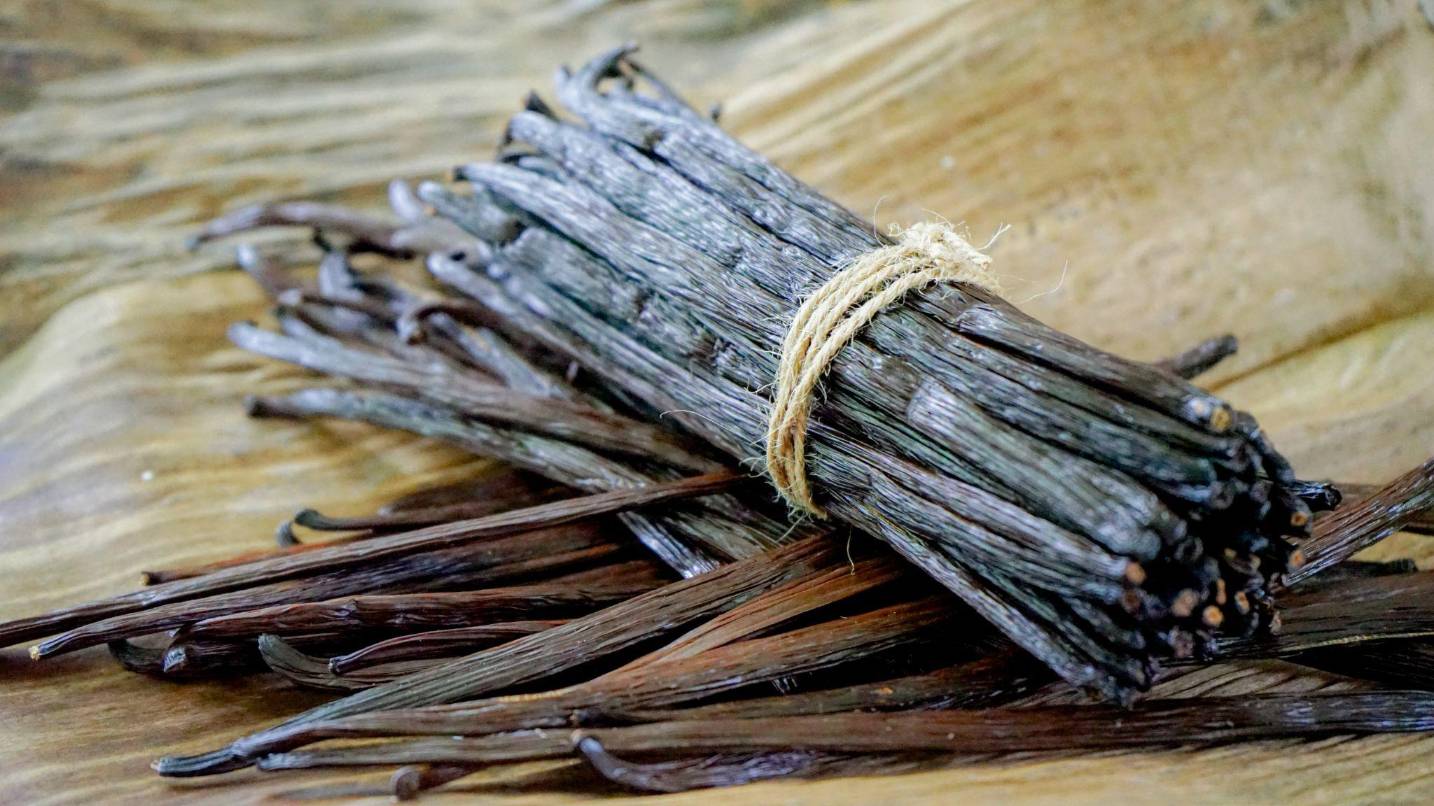
The World's 17 Most Lavish Ingredients
Indulge in a culinary journey through the world's most opulent and extravagant ingredients. These culinary gems are a testament to the heights of gastronomic luxury, far beyond your average grocery bill.