
Wire dispatch
How to Care for a Jasmine Plant
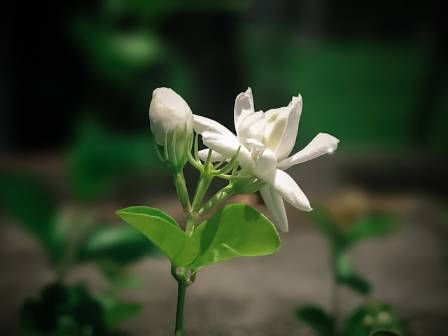
Jasmine plants, scientifically classified under the genus Jasminum, are beloved around the world for their elegant flowers, captivating fragrance, and attractive green leaves. These beautiful plants originate from tropical and warm temperate areas across Eurasia, Australasia, and Oceania. They are members of the olive family, Oleaceae.
Sadie Morgan
Wire note
Signal tip
The full dispatch write-up continues below on the discovery terminal.
Channel
Discovery Wire
Jasmine plants, scientifically classified under the genus Jasminum, are beloved around the world for their elegant flowers, captivating fragrance, and attractive green leaves. These beautiful plants originate from tropical and warm temperate areas across Eurasia, Australasia, and Oceania. They are members of the olive family, Oleaceae.
With more than 200 known species, jasmine offers a wide variety of forms and fragrances. Each type has its own unique characteristics and appeal. Some of the most popular varieties include Jasminum officinale (common jasmine), which produces clusters of sweet-smelling white flowers, and Jasminum sambac (Arabian jasmine), a famous variety widely used in tea production and perfume making.
Choosing the Right Jasmine Plant
For those new to gardening, Jasminum officinale is an excellent option because it is resilient and relatively simple to maintain. Its ability to adapt makes it suitable for beginners.
If you are looking for a plant with an especially strong and pleasant fragrance, Jasminum sambac is a wonderful choice. Its highly scented flowers are ideal for creating a fragrant indoor or outdoor garden.
How to Care for Jasmine Plants
Light Requirements
Jasmine plants grow best in bright, indirect light. They can handle some direct sunlight, especially during the gentler morning hours, but intense afternoon rays may damage the foliage.
A location near a south-facing window with filtered sunlight is usually a good choice for indoor jasmine plants. Providing enough light will also encourage healthier growth and more flowers.
Soil Needs
Jasmine prefers fertile soil that drains well. A high-quality potting mixture is suitable, and adding materials such as perlite or coarse sand can improve airflow and drainage.
These plants generally perform best in soil that is slightly acidic to neutral. Good drainage is especially important because constantly wet roots can lead to problems.
Fertilizing
During the active growing months of spring and summer, jasmine benefits from regular feeding. Apply a balanced liquid fertilizer every few weeks to support strong growth and flower production.
When the plant enters its slower growth period during autumn and winter, reduce or stop fertilizing until new growth begins again.
Watering
Water your jasmine plant when the upper layer of soil, about one inch deep, becomes dry. Jasmine enjoys evenly moist soil but does not tolerate excessive water.
Overwatering can cause root problems, so always use a container with proper drainage holes and avoid letting the plant sit in standing water.
Pruning
Regular pruning helps jasmine maintain an attractive shape and encourages the development of new branches and flowers.
The best time to trim the plant is after the flowering period. Removing old or overgrown stems allows fresh growth to appear and helps keep the plant healthy.
Repotting
Jasmine plants usually need repotting every few years or whenever their roots become crowded inside the container.
Spring is the ideal season for repotting because the plant has enough time to adjust before entering its strongest growing phase.
Propagation
Jasmine can be easily multiplied through stem cuttings. The best time to take cuttings is during spring or early summer.
Choose a healthy stem, apply rooting hormone if desired, and place the cutting into moist soil. With proper warmth and moisture, new roots will gradually develop.
Common Jasmine Plant Problems
Pests and Diseases
Jasmine plants may occasionally experience pest issues, including aphids, spider mites, and whiteflies. These insects can weaken the plant and affect healthy growth.
Treat infestations with insecticidal soap or neem oil. Jasmine may also suffer from problems such as powdery mildew and root rot, which are often linked to poor air circulation, excessive moisture, or overwatering.
Maintaining proper watering habits and providing good airflow can help prevent many common diseases.
Toxicity
Most jasmine varieties are considered safe and non-toxic for people and pets. However, it is still recommended to keep indoor plants away from small children and animals to avoid accidental damage or ingestion.
Frequently Asked Questions About Jasmine Plants
Why Are My Jasmine Plant Leaves Turning Yellow?
Yellow leaves can be caused by several factors, including too much water, insufficient watering, or nutrient deficiencies.
Review your watering routine, check the condition of the soil, and consider testing for missing nutrients if the problem continues.
How Can I Encourage My Jasmine Plant to Bloom?
To promote flowering, provide plenty of suitable light, maintain proper feeding, and allow the plant to experience a cooler resting period during winter.
Pruning after the blooming season can also stimulate new branches and encourage future flower production.
Can Jasmine Plants Grow Indoors?
Yes, jasmine plants can grow successfully indoors when they receive enough light and proper care.
With the right environment, an indoor jasmine plant can reward you with beautiful flowers and fill your home with its sweet, relaxing fragrance.
Enjoy Growing Jasmine Plants
Caring for jasmine is a rewarding experience filled with beautiful blossoms and delightful scents. Whether you are an experienced gardener or just beginning your plant journey, jasmine plants can add elegance, fragrance, and a natural touch to any living space.
More on the wire
LOG · en

Remarkable Truths About Camels
Camels are extraordinary animals with a host of biological adaptations that allow them to thrive in some of the planet's most inhospitable environments. While they are often associated with desert travel, their true nature involves complex social structures and impressive physical capabilities. Understanding these creatures requires looking past common misconceptions to appreciate their unique evolutionary journey.
LOG · en

12 Irresistible Summer Drinks to Beat the Heat
Check out some of our favorite fruity summer drink recipes — we've included both cocktails and mocktails so everyone can join in on the fun. Mix these refreshing cocktails, coolers, punches, infused waters and more up for your next picnic or poolside gathering, and watch them go quickly.
LOG · en

The Evolution of the SUV and Its Global Dominance
The Sport Utility Vehicle (SUV) stands as a monumental triumph in automotive design, consistently ranking as the most sought-after body style for passengers worldwide. In the United States, these vehicles have transcended simple transportation to become a cultural fixture, with sales surpassing 12 million units in the previous year. To understand the roots and enduring appeal of this segment, especially alongside the introduction of the Polestar 3—a reimagining of the SUV for the electric era—insights from automotive historians provide a window into how these machines conquered the road.
LOG · en

Bestselling Pickup Trucks
Pickup trucks often enjoy unparalleled brand loyalty compared to other vehicle categories. For some buyers, this makes the decision-making process easier, while for others, it can be a bit overwhelming. If you're considering your first truck or are thinking about switching to a different brand, we've compiled a list of the bestselling trucks to help guide you in the right direction.
LOG · en

Best Sports Cars in 2026
Sports cars represent a dream for many drivers, delivering excitement and performance that everyday vehicles simply can’t match. Although interest in this segment has cooled slightly, there are still plenty of excellent options available—some even at relatively affordable prices. Below is a refreshed guide to the top sports cars you can buy in 2025, along with helpful insights to guide your decision.
LOG · en
The Best Off-Road Pickup Trucks to Buy for Your Adventurous Side
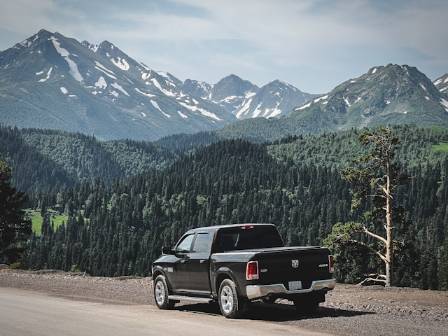
These tough, factory-built trucks are ready to take on challenging terrains like rocks, dirt, sand, and rugged trails.