Wire dispatch
Facts about the Colosseum
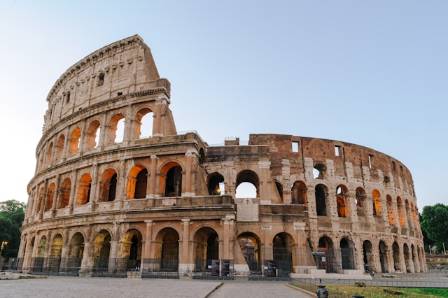
Do you like sports and enjoy supporting your favourite team or athlete? The people of Ancient Rome were big fans of exciting competitions, too. One of the most famous places where they gathered for entertainment was the Colosseum, an enormous arena that remains one of the best-known landmarks of the ancient world.
Elias Whitlock
Wire note
Signal tip
The full dispatch write-up continues below on the discovery terminal.
Channel
Discovery Wire
1. When Was the Colosseum Built?
Do you like sports and enjoy supporting your favourite team or athlete? The people of Ancient Rome were big fans of exciting competitions, too. One of the most famous places where they gathered for entertainment was the Colosseum, an enormous arena that remains one of the best-known landmarks of the ancient world.
2. Built With Stone and Concrete
Construction of the Colosseum began in 72 A.D. under Emperor Vespasian and was completed around 80 A.D. in the centre of Ancient Rome. The enormous structure was made primarily from stone and concrete, with tens of thousands of slaves providing the labour needed to build this impressive monument.
3. The World’s Largest Amphitheater
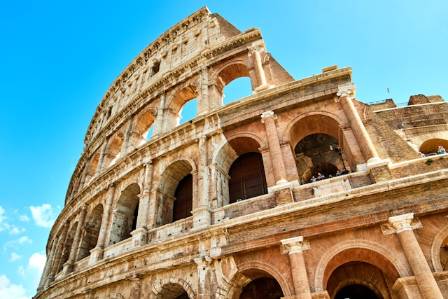
The Colosseum is the largest amphitheater, or “theatre in the round,” in the world. Its oval structure measures approximately 189 metres in length, 156 metres across and 50 metres in height, making it roughly as tall as a 12-storey building. The enormous arena was even large enough to accommodate a modern football pitch.
4. Thousands of People Could Watch the Games
With 80 entrances, the Colosseum could accommodate around 50,000 spectators at a time. Crowds gathered to watch a variety of dramatic spectacles, including gladiator fights, battles involving wild animals and even naval battles staged inside the arena.
5. Admission Was Free
Attending the major events at the Colosseum did not cost the public anything. Many of the biggest spectacles were organised and financed by the emperors themselves, and admission was free. On some occasions, spectators were also given free food. The emperors used these generous events as a way of winning public favour and strengthening their popularity.
6. The Games Could Be Extremely Violent
Although the spectacles may have been entertaining for Roman audiences, they were often incredibly brutal. During some games organised by the emperors, as many as 10,000 animals were reportedly killed in a single day.
7. The First Games Lasted 100 Days
The first games at the Colosseum took place in 80 A.D. during the reign of Emperor Titus, Vespasian’s son. The celebrations continued for an astonishing 100 consecutive days. Events remained part of life at the Colosseum for centuries afterward, with gladiatorial contests continuing until the fifth century and animal hunts lasting until the sixth century.
8. A Giant Awning Protected Spectators
Roman summers could be intensely hot, so spectators needed protection from the powerful sun. The Colosseum featured a huge awning known as the velarium, which could be extended over the seating areas to create shade. It was an ingenious solution for keeping the crowds more comfortable during the events.
9. A Hidden World Beneath the Arena
A complex network of rooms and underground corridors was located beneath the Colosseum. This hidden area was used to house gladiators and wild animals before they were brought into the arena. The floor also contained 36 trapdoors that could be used to create dramatic entrances and special effects during the spectacles.
10. The Colosseum Is Still a Major Attraction
Around two-thirds of the original Colosseum has disappeared over the centuries. Vandalism, earthquakes and fires all contributed to its destruction. Despite the damage, the surviving structure remains one of the world’s most famous historical attractions and welcomes thousands of visitors every year.
More on the wire
LOG · en

Golden Pheasant: A Bird Painted in Gold
Golden Pheasant is the name of a Chinese restaurant in Torrance, California, known for offering a wide variety of dishes, generous portions, reasonable prices, and friendly service. Customer reviews frequently praise both the quality of the food and the overall dining experience.
LOG · en

Underwater robots
Robust Object Detection for Underwater Robots via Domain Generalization.
LOG · en

8 Fascinating Facts About Astronauts You Probably Didn’t Know
Astronauts are extraordinary individuals who venture beyond Earth to explore space and conduct cutting-edge research. Their lives are a mix of intense training, daring adventures, and unique challenges that few can imagine. Here are some intriguing facts that reveal what it takes to live and work among the stars.
LOG · en

Vintage Color Palettes in Colored Pencil
I have a passion for all things vintage. When I feel stuck with my color choices, or when I want to experiment creatively but don’t have the energy to start a full drawing from scratch, creating color palettes is one of my favorite ways to spark inspiration.
LOG · en

Explore Iconic Mountain Ranges with Unforgettable Walking Adventures
Whether you're drawn to the jagged snow-covered summits of the Himalayas or the gentle meadows of the Pyrenees, our mountain walking holidays offer thrilling treks across some of the world’s most majestic ranges. Below is a guide to just a few of the awe-inspiring landscapes waiting to be explored.
LOG · en

The Benefits of Building Blocks for Child Development
Building blocks have stood the test of time as a beloved staple in children’s toy collections across generations. Far more than just colourful pieces of wood, plastic, or foam, these simple yet infinitely versatile playthings serve as powerful catalysts for holistic child development. From nurturing cognitive prowess and refining physical dexterity to fostering social bonds and igniting creative sparks, block play offers a multifaceted learning experience that unfolds naturally through fun and exploration. In this comprehensive guide, we delve into the myriad ways building blocks contribute to every crucial aspect of a child’s growth journey, highlighting why this timeless toy remains an indispensable tool for parents and educators alike.