Few phrases cause the same mix of thrill and nerves as spotting “formal attire” on an invitation. There’s the initial excitement at the chance to dress up—quickly followed by uncertainty about what, exactly, qualifies as appropriate. The confusion is understandable, especially since formalwear comes with several closely related variations. Semi-formal is often mistaken for cocktail attire, while beach formal frequently appears on destination wedding invites. With elaborate birthday parties, lavish holidays, and themed gatherings becoming increasingly common, understanding formal dress codes has never felt more necessary. Here’s a clear breakdown of what formal attire really means and how to navigate it with confidence.
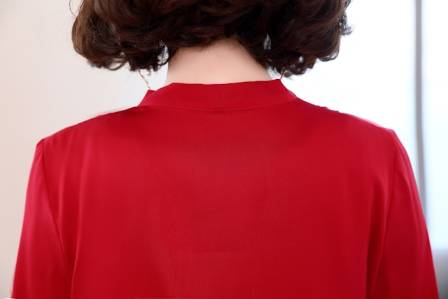
What Does Formal Attire Mean?
In most cases, formal attire refers to evening wear. It sits just below black tie in terms of formality and is less rigid than the rarely requested white tie—unless the host specifies otherwise. Typically, black tie or white tie expectations are clearly written on the invitation. Formal dress carries a sense of ceremony and respect, especially for significant occasions like weddings, funerals, state dinners, academic ceremonies, and diplomatic events. Clothing at this level communicates intention, awareness, and social understanding before a word is spoken. Dressing formally is not simply about appearance; it signals respect for the event and its significance.
Formal Attire Guidelines for Women
At its core, formal attire for women usually means a hemline that falls well below the knee, with ankle-length or floor-length dresses being the safest choice. For those who prefer structure over flowing silhouettes, a sharply tailored suit is equally appropriate and has become a modern classic. Jumpsuits with substantial straps or sleeves also fit within the dress code, as do voluminous skirts designed for eveningwear. The key is polish, balance, and a sense of occasion.
Appropriate Fabrics for Women’s Formalwear
Fabric choice plays a crucial role. Casual materials like cotton poplin or airy linen tend to feel out of place at traditional formal events unless the setting is explicitly relaxed, such as a beach ceremony. More refined textiles—tulle, satin, crepe de chine, and similar materials—better convey elegance. Decorative elements are optional but welcomed for those who want to stand out. Sequins, fine embroidery, feathers, or textured weaves can all enhance a look when used thoughtfully.
While refinement defines formalwear, it doesn’t mean personality must be sacrificed. Modern interpretations of elegance are broader and more inclusive than ever, allowing room for creativity within classic boundaries. Designers increasingly use innovative techniques and varied perspectives to reflect evolving ideas of femininity and beauty, proving that formal dressing can still feel personal.
Attention to detail matters just as much as the main garment. From construction to finishing touches, every seam and embellishment contributes to the overall impression. Well-considered styling can instill confidence and elevate the entire look.
Shoes and Accessories for Women
Accessories should complement rather than overpower. Clutches are the most common choice, designed to fit comfortably under the arm while holding evening essentials. Small top-handle bags are also acceptable if they match the level of sophistication required. Footwear traditionally leans toward heels, particularly stilettos, but kitten heels offer comfort without sacrificing elegance—especially when dancing is involved. Polished flats are equally appropriate if they are well-maintained and refined. The goal is not merely to look attractive, but to signal respect for the occasion and its host.
When You’re Unsure, Ask
If uncertainty remains, contacting the host is not only acceptable but encouraged. Many events include themes or flexible interpretations of dress codes, and confirming your outfit choice can prevent the discomfort of being noticeably under- or overdressed.

Formal Attire Guidelines for Men
Men’s formalwear tends to be more straightforward, as its conventions have remained relatively consistent since the early 20th century. Formal attire typically means a tuxedo or a dinner suit in black, navy, or charcoal—especially for events labeled “black tie optional.” A vest or cummerbund is optional but adds refinement. The jacket and trousers should match, paired with a crisp white dress shirt and formal shoes. Belts are avoided, and cufflinks are optional details that enhance the look.
Semi-Formal Attire Explained
Semi-formal dress codes raise a common question: how formal is semi-formal? Essentially, it’s a step down from black tie while still maintaining elegance. This level is often suitable for cocktail parties, daytime weddings, and professional networking events.
Semi-Formal Attire for Women
For women, semi-formal typically allows cocktail dresses, tailored jumpsuits, or polished separates. Hemlines usually fall between just below the knee and above the ankle. These proportions make semi-formal events an opportunity to showcase interesting footwear, since shoes won’t be hidden beneath full-length gowns.
Semi-Formal Attire for Men
Men attending semi-formal events should opt for a dark suit, though a tie is optional. Dress trousers are essential—jeans are not appropriate. Blazers, smoking jackets, loafers, and subtle accessories like pocket squares all fit within the code. A button-up shirt is non-negotiable, as it balances the relaxed and refined elements of the look. Lighter colors and pastels work well for daytime occasions, while seasonal fabrics such as linen and cotton suit warmer months, and flannel or velvet feel appropriate in winter.
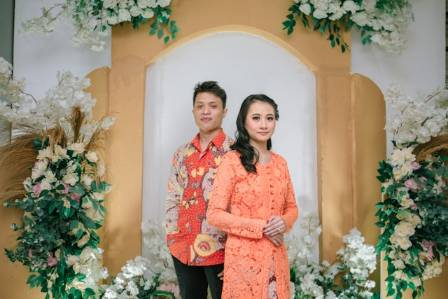
The History of Formal Attire
Formal attire has a long and layered history shaped by aristocratic and military influences. These roots determined everything from fabric choices to silhouettes and color palettes, many of which still inform modern design. The origins of Western formalwear can be traced to 19th-century Europe and America, with George Bryan “Beau” Brummell often credited as an early pioneer. His emphasis on clean lines, dark colors, and meticulous tailoring laid the foundation for what we now recognize as formal dress.
Over time, formalwear evolved alongside social change. Early styles were theatrical and ornate, featuring wigs, elaborate coats, and decorative hosiery. Gradually, designs became more streamlined, especially during the early 20th century. The 1920s marked a clear shift toward simplicity, influenced by global events like World War I and the women’s suffrage movement. By World War II, formal attire looked entirely different from its Regency-era origins, with designers introducing transformative ideas such as the little black dress and more practical silhouettes. The rise of ready-to-wear fashion made formal clothing accessible to a broader audience, solidifying dress codes as a social norm.
Despite these changes, one principle has remained constant: dressing formally is a way to honor the event and the person hosting it. Thoughtful outfit choices reflect respect, effort, and enthusiasm—qualities that matter just as much as the clothes themselves.