8 Things You Should Know About Needle Felting

Wire dispatch

8 Things You Should Know About Needle Felting

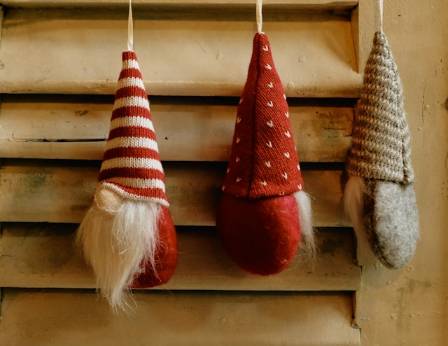
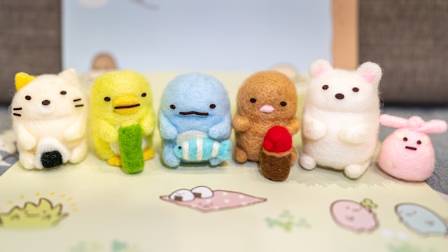
Needle felting is an incredible craft that suits people from all walks of life—and it’s easy to see why. There’s nothing quite like settling in for a relaxing afternoon of creating something with your own hands. Whether you’re just dipping your toes into the world of needle felting or you’ve already finished a few projects, you’re sure to discover something new in this list!

N

Natalie

Wire note

Signal tip

The full dispatch write-up continues below on the discovery terminal.

Channel

Discovery Wire

Needle felting is an incredible craft that suits people from all walks of life—and it’s easy to see why. There’s nothing quite like settling in for a relaxing afternoon of creating something with your own hands. Whether you’re just dipping your toes into the world of needle felting or you’ve already finished a few projects, you’re sure to discover something new in this list!

1. Felt is surprisingly versatile!

We in the crafting community love wool for our creations, but the truth is, felt is an incredibly durable material used in far more places than just our craft rooms. It pops up everywhere from car engines to roofing insulation. If you’ve ever played a drum or piano, you’ve probably spotted functional felt pieces contrasting with the instruments’ wooden components.
Industrial felt has its important uses in the nooks and crannies of our cars and homes, but let’s be honest—needle felters put this material to equally wonderful use… don’t you agree?

2. There are two basic types of felting: wet and dry

Dry felting (the kind we usually do for crafts) is a relatively new technique. But wet felting? It happens to many of us by accident! Have you ever tossed a wool sweater into the washing machine without checking the care tag? All it takes is a little soap, water, and friction—and boom, your favorite cozy sweater shrinks down to doll accessory size!

3. Wet felting came first

Wet felting is one of the oldest fiber crafts around, predating knitting, weaving, and spinning by centuries. The earliest known felters were tangling fibers as far back as 6300 BC! These early crafters made all sorts of practical items: rugs, tents, hats, and footwear. They figured out wool’s natural ability to shrink and mat together when exposed to friction, moisture, and heat—a key property that still makes felting work today.

4. Dry needle felting is a modern invention

It’s hard to believe, but the dry needle felting we love today was only invented in the early 1980s! Artists David and Eleanor Stanwood bought a needle-punch sampling machine and started experimenting with creating felted projects by hand. And the rest, as they say, is history—now it’s a beloved craft worldwide!

5. Sheep farmers have their own special lingo
Finding high-quality felting materials at your local craft store can be tricky. The best bet is to buy wool straight from the source—sheep farmers! But you’ll need to learn a few key terms first.
Do you know the difference between raw fleece and wool roving? Raw fleece is unprocessed wool straight from the sheep after shearing—you’ll have to wash it thoroughly yourself before using it. Wool roving (also called carded wool) has already been washed and run through a carding machine to align the fibers, making it ready to use right away.
While popping into a craft store is easier, there’s something truly special about supporting sheep farmers and getting your materials directly from the source.

6. There’s a whole world of wool and sheep varieties

Wool is more essential to our lives than we might realize. That cozy Merino wool sweater you love? It might not be the best choice for your next needle felting project.
Different sheep breeds produce different types of wool—from Berksire and Shetland to Romney and Lincoln, the variety is amazing. The key is to pick wool with the right fineness or coarseness for your project. Choosing the right wool makes all the difference in how your felted creation turns out!

7. The right needle makes all the difference

There’s a wide range of felting needles available, and picking the right size for your project is crucial. If you’re shaping your felt or attaching pieces together, a 38 Gauge Triangle needle is perfect. But if you want to blend colors or add special hair-like details to your piece, a reverse needle is what you need!
Different types of wool also require different needle sizes depending on their texture. Before you start a project, take a minute to make sure you have the right tools for every step—your hands (and your creation) will thank you!

8. Safety first—always!

We’ve all seen that classic TV scene: a group of people in a retirement home gathered around the TV, chatting, snacking on cookies, and knitting or crocheting without even looking at their work. It seems idyllic, but needle felting is a whole different story—you should never take your eyes off your project!
Felting needles are extremely sharp, and you should never punch the needle without watching exactly where it’s going. The last thing you want is to accidentally stab your finger mid-project. Slow down, stay focused, and craft safely!

More on the wire

LG

LOG · en

Watercolour florals for beginners

Watercolour florals for beginners

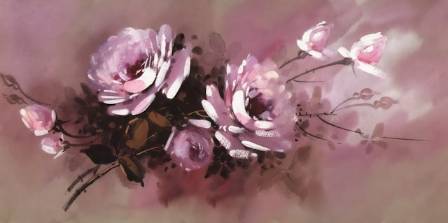
Painting floral subjects in watercolor fits beautifully with a modern, loose painting approach. This style encourages freedom in brushwork and takes full advantage of watercolor’s natural ability to blend and flow. Flowers were the very first subject I wanted to paint as a beginner, and they’ve remained one of my favorite themes ever since.

LG

LOG · en

The Top 10 Brainiest Creatures on Earth

The Top 10 Brainiest Creatures on Earth

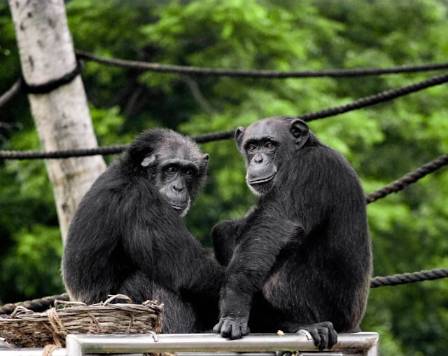
Animal intelligence is a wondrous and complex facet of our planet's biodiversity. While it's challenging to make direct comparisons, we've discovered remarkable cognitive abilities in various species, shedding light on the rich tapestry of intellect that exists in the animal kingdom. Here's a list of some incredibly smart animals

LG

LOG · en

Winter Wonderland Destinations

Winter Wonderland Destinations

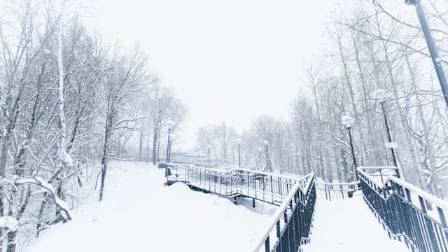
Some places transform into magical landscapes when winter arrives, turning into true winter wonderlands. These destinations, draped in snow or iced with frost, showcase the beauty of the colder months. Here are a few of the most breathtaking winter locations from around the world.

LG

LOG · en

Pan Seared Garlic Butter Lamb Chops

Pan Seared Garlic Butter Lamb Chops

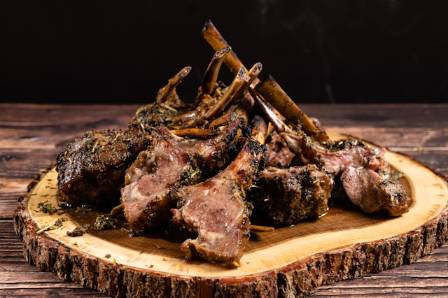
Pan-seared lamb chops with garlic butter represent a simple yet deeply satisfying style of cooking. The dish combines rustic elegance with bold flavor, making it suitable for both casual dinners and more formal occasions. Inspired by a philosophy of letting good ingredients speak for themselves, this preparation relies on minimal steps to create maximum taste.

LG

LOG · en

The Alluring Plumeria: Beauty and Fragrance

The Alluring Plumeria: Beauty and Fragrance

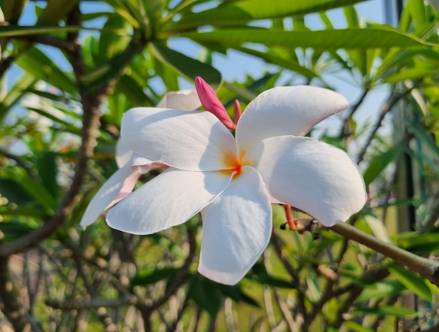
Each year, growers in Hawaii harvest millions of plumeria blossoms, most of which are used to create vibrant leis. Many people who wear these fragrant garlands assume that plumeria is native to the Hawaiian Islands, but this is not the case. Despite its strong cultural association with Hawaii since the 19th century, plumeria actually originates from tropical regions of the Americas, ranging from Mexico through northern South America and the Caribbean islands.

LG

LOG · en

Eight of the World’s Premier Stargazing Destinations

Eight of the World’s Premier Stargazing Destinations

Where to experience the clearest and darkest night skies — from Pennsylvania to the Canary Islands