Wire dispatch
Watercolour florals for beginners
Painting floral subjects in watercolor fits beautifully with a modern, loose painting approach. This style encourages freedom in brushwork and takes full advantage of watercolor’s natural ability to blend and flow. Flowers were the very first subject I wanted to paint as a beginner, and they’ve remained one of my favorite themes ever since.
James Carter
Wire note
Signal tip
The full dispatch write-up continues below on the discovery terminal.
Channel
Discovery Wire
Painting floral subjects in watercolor fits beautifully with a modern, loose painting approach. This style encourages freedom in brushwork and takes full advantage of watercolor’s natural ability to blend and flow. Flowers were the very first subject I wanted to paint as a beginner, and they’ve remained one of my favorite themes ever since.
However, many beginners struggle with florals—especially when trying to paint loosely—because they concentrate too much on detail. When we try to capture every petal and the full three-dimensional structure, the result can quickly become muddy and overworked.
My personal style is loose and expressive. To make this approach effective, it’s important to simplify flowers as much as possible. Focus on the overall shapes of petals and leaves instead of tiny details or heavy layering.
If you’d like to paint watercolor florals in a simple and approachable way, here are some helpful techniques and ideas to get you started.
Start with Basic Flower Shapes
Take a look at flowers in a garden or a flower shop, and you’ll notice many are built from repeating shapes. Some have four or six petals, others resemble star forms, and leaves can be rounded, pointed, or elongated. Once you learn these fundamental shapes, you can adapt them to paint almost any flower.
Begin with a Single Stem
A single-stem composition is one of the easiest ways to practice. Place the flower head slightly above the center of your page, around the upper two-thirds area. Let the stem extend downward, with leaves curving gently upward and inward to frame the bloom. This layout works well for many flowers, from roses to lilies.
Work in Groups of Three
Once you’re comfortable with one stem, try arranging three together. This grouping often feels balanced and natural. Vary the height and size of each stem so the composition feels dynamic rather than repetitive.
Follow Step-by-Step Tutorials
If you want to paint specific flowers like roses or delphiniums, guided tutorials can be very helpful. They break down the process into manageable steps, showing how to construct petals, stems, and leaves gradually.
Create a Simple Bouquet
When painting a bouquet, think about variety and placement. Choose one main flower as the focal point, add a couple of supporting blooms, and fill gaps with smaller flowers and leaves. You can tie the stems together or place them in a vase, depending on your composition.
Try a Scatter Composition
To fill an entire page, experiment with a scattered layout. Imagine tossing flowers and leaves into the air and letting them fall randomly. Paint them in a similar scattered arrangement, overlapping elements for a natural look. Use a few simple shapes repeatedly, and vary size, direction, and color to keep the design interesting.
Paint a Floral Wreath
Wreaths are a great beginner project. Start by sketching a circle, then add flowers around it. Use one or a few focal blooms, and surround them with smaller flowers and foliage. Keeping all elements flowing in one direction can create a pleasing sense of movement. Light-toned leaves are useful for filling empty spaces.
Include Leaves
Leaves are essential in loose floral painting. Without them, the composition can feel incomplete. Fortunately, leaf shapes often use the same brushstrokes as petals, just in green tones. Experiment with different shapes, from rounded to pointed, and try longer strokes for elongated leaves.
Focus on Flower Centers
The center of a flower can become a strong focal point. One method is to drop a darker color into the center while the petals are still wet, allowing it to spread naturally. Another approach is to let the petals dry first, then paint a defined center with fine details such as dots or radiating lines.
Use Wet-on-Wet Techniques
One of the best methods for loose florals is wet-on-wet painting. Allow wet elements to touch and blend, creating soft transitions and color bleeds. This gives your painting a soft, dreamy quality and helps unify the composition.
Add Details with Wet-on-Dry
After the initial layers dry, you can refine your work with a fine brush. Add lines to petals, deepen shadows, or enhance contrast. This technique is useful for bringing definition and depth to your painting.
Boost Contrast for Impact
To make your florals stand out, play with contrast. Pair light, delicate flowers with darker leaves, or add elements like berries or branches for visual interest. Strong contrast can make even simple compositions feel bold and striking.
Keep Practicing and Observing
Finally, spend time observing real flowers—whether in nature, at a florist, or in photos. Their shapes, colors, and arrangements provide endless inspiration. The more you study them, the more natural your paintings will become.
Enjoy the process, experiment freely, and most importantly—have fun painting!
More on the wire
LOG · en
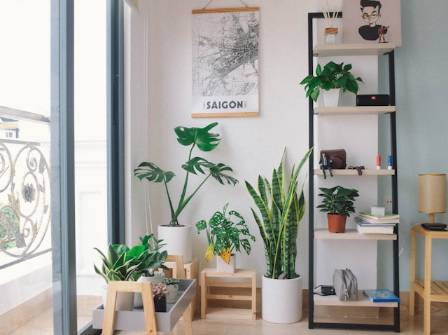
Caring for houseplants
Houseplants are an easy and attractive way to introduce a little more nature into your living space. They can add color and life to a room while also giving you an enjoyable activity to care for. With the right growing conditions and a little regular attention, many indoor plants can thrive successfully.
LOG · en

Smart Glasses: A New Generation of Wearable Technology
Smart glasses, also referred to as intelligent eyewear or smart lens devices, have emerged as a revolutionary product that combines advanced technology, practical functions, and modern design. In today’s rapidly changing digital world, these innovative glasses are transforming the way people interact with information and their surroundings.
LOG · en

The Biggest Wind Turbines in the World
Just a few years ago, 8 MW was seen as the top end for wind-turbine capacity. Today, leading manufacturers are pushing the limits — much larger rotors, higher ratings, and fewer machines needed per wind farm.
LOG · en
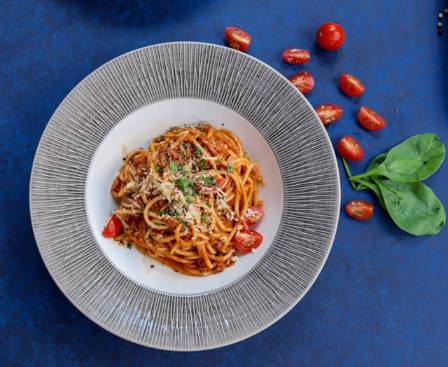
Spaghetti with Tomato Sauce
Spaghetti with tomato sauce is one of the most comforting and timeless Italian dishes. Its rich aroma and simple, hearty flavors have made it a favorite all over the world. But no matter how good your version might be, nothing quite compares to the one made by my Nonna. Her generation truly mastered the art of pasta asciutta.
LOG · en
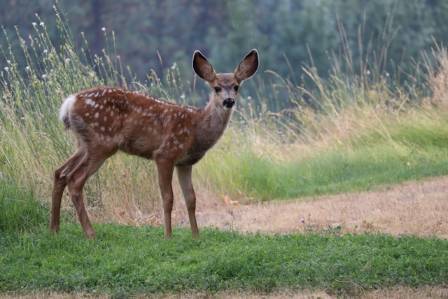
Moose: The Largest Deer Species in the World
Moose are the largest members of the deer family.
LOG · en
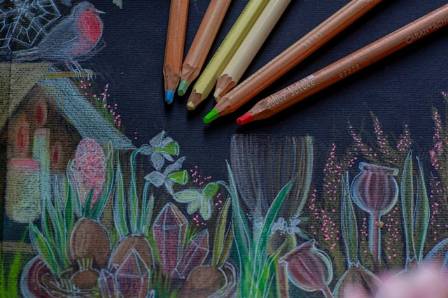
Vintage Color Palettes in Colored Pencil
I have a passion for all things vintage. When I feel stuck with my color choices, or when I want to experiment creatively but don’t have the energy to start a full drawing from scratch, creating color palettes is one of my favorite ways to spark inspiration.