The Biggest Wind Turbines in the World

Wire dispatch

The Biggest Wind Turbines in the World

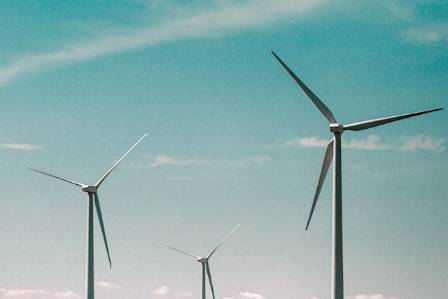
Just a few years ago, 8 MW was seen as the top end for wind-turbine capacity. Today, leading manufacturers are pushing the limits — much larger rotors, higher ratings, and fewer machines needed per wind farm.

G

Grace Mitchell

Wire note

Signal tip

The full dispatch write-up continues below on the discovery terminal.

Channel

Discovery Wire

Just a few years ago, 8 MW was seen as the top end for wind-turbine capacity. Today, leading manufacturers are pushing the limits — much larger rotors, higher ratings, and fewer machines needed per wind farm.
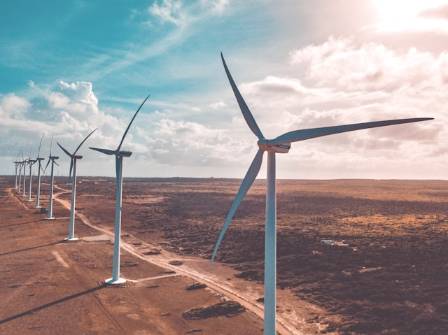
The benefits are clear: bigger turbines mean fewer foundations, less installation effort, simplified maintenance and overall cost savings for operators. With the industry now chasing the 20 MW-machine milestone, here are some of the most powerful models currently in development or deployment.

1. MySE 16.0‑242 – by MingYang Smart Energy

This Chinese offshore turbine holds the record for largest rotor and highest combination of size and capacity.
Rotor diameter: 242 m
Blade length: 118 m
Swept area: 46,000 m²
Nameplate capacity: 16 MW
Estimated annual production: up to 80,000 MWh — enough for roughly 20,000 households
Designed life: ~25 years, with lifetime CO₂ savings over 1.6 million tonnes (compared to coal)
Tailored for severe conditions (typhoon-class IEC standards) and geography ranging from the North Sea to the South China Sea.

2. V236‑15.0 MW – by Vestas Wind Systems

A high-wind offshore machine engineered for robustness and global applicability.
Rotor diameter: 236 m
Swept area: 43,743 m²
Nameplate capacity: 15 MW
Estimated annual production: ~80 GWh; can offset about 38,000 t CO₂ annually
Blade length: ~115.5 m; full installation height up to ~280 m
Built for extreme wind classes (IEC 1 and IEC T) — tolerates up to ~50-57 m/s wind speeds
Expected commercial rollout around 2024 after prototype phase.

3. SG 14‑236 DD – by Siemens Gamesa Renewable Energy
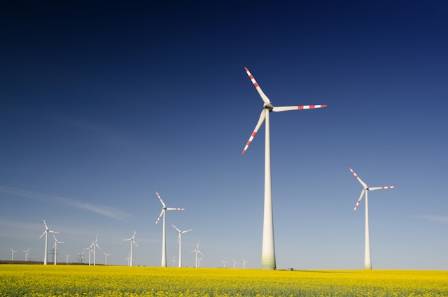
The latest flagship from Siemens Gamesa for offshore power production.
Nameplate capacity: up to 14 MW (or 15 MW with “Power Boost” feature)
Rotor diameter: 236 m; swept area ~43,500 m²
Utilises their offshore direct-drive (DD) technology — fewer mechanical parts, hence greater reliability and performance
Serial production expected by 2024; prototype (SG 14-222 DD) already installed in Denmark.

Why Bigger Matters

Economies of scale: A single 15-16 MW turbine can replace many smaller units, reducing site footprint, installation logistics and maintenance burden.
Higher capacity factors: With larger blades and taller hubs, these machines can capture more consistent wind, even at lower wind speeds.
Resource efficiency: As each machine produces more energy, fewer tonnes of steel, fewer turbines, fewer foundations are needed — advancing wind power’s cost-competitiveness.
Accelerating deployment: As the 20 MW target nears, the technological arms race is fast-tracking innovation in blade design, drivetrain systems, materials, and offshore installation techniques.

Outlook for the Wind Industry

The race to larger capacity turbines is central to the industry’s push to make renewables more accessible and affordable. NES Fircroft, with over 20 years’ experience in the renewables sector (covering wind—both onshore & offshore—solar PV, biomass, geothermal etc.), supports this evolution through specialist recruitment and workforce solutions.
As the global push for clean energy strengthens, expect new breakthroughs — turbines beyond 16 MW, ever-larger rotors (250 m+), deeper offshore foundations, and better integration of renewables into energy systems.

More on the wire

LG

LOG · en

Easy Protein Breakfast Bowl

Easy Protein Breakfast Bowl

Looking for a nutritious breakfast packed with protein? This simple Protein Breakfast Bowl is exactly what you need. Made with Greek yogurt and oats, it requires only a few ingredients and takes just a couple of minutes to prepare. There’s no cooking involved, making it a perfect option for busy mornings.

LG

LOG · en

13 Captivating Facts About Elephants

13 Captivating Facts About Elephants

Elephants have the largest brains of any land mammal, which supports their legendary memory. They can remember distant water sources, migration routes, and individual humans or elephants over many years. This knowledge is passed down through matriarchs, helping herds survive in changing environments.

LG

LOG · en

How Do Helicopters Achieve Flight?

How Do Helicopters Achieve Flight?

A helicopter, a distinctive type of aircraft, attains flight through the rotation of its blades. Unlike airplanes relying on fixed wings, helicopters employ rotor blades to generate lift, enabling them to become airborne. This unique mechanism empowers helicopters to execute maneuvers that conventional airplanes find challenging. To comprehend the intricacies of helicopter flight, one must delve into the basics of wing design and lift principles.

LG

LOG · en

African Elephants: The Giants That Shape Africa’s Ecosystems

African Elephants: The Giants That Shape Africa’s Ecosystems

African elephants are the largest land animals on Earth.

LG

LOG · en

Guardians of the Great Wall

Guardians of the Great Wall

Far out in the Gobi Desert of northwestern China’s Gansu province, surviving sections of the Great Wall from the Han Dynasty remain standing. Constructed layer by layer with fine sand and materials such as reeds and red willow branches, these ancient defenses have endured for roughly two thousand years. What began as a military system has now become an important example of living cultural heritage.

LG

LOG · en

Skateboarding Fun Facts: Dogs, Tricks, Legends, Money, and Giant Skateboards

Skateboarding Fun Facts: Dogs, Tricks, Legends, Money, and Giant Skateboards

Are you ready to shred some knowledge about skateboarding? Hang on tight and prepare for some fun facts that will make you laugh, scratch your head, and maybe even want to jump on a skateboard yourself. Have you ever heard of OTTO, the bulldog that can shred better than most humans?