When it comes to styling art, many people feel unsure about how to arrange artworks or fine art prints in their homes. We often picture the blank white walls seen in trendy magazines or artist mock-ups—images that show how a piece might look with furniture. But these expansive white walls are rarely the reality of most homes. And if you own small to medium-sized art, hanging it alone on a large empty wall will only make it look out of place. Below are five interior tips to help you style art in your space beautifully.
Save this on Pinterest!
Interior Design Tips from an Artist?
Disclaimer: I’m not a professional interior designer, nor do I consider myself a self-taught expert in the field. My home’s style comes from my personal taste (blended with my partner’s preferences). Styling a home is deeply personal—it reflects who you are. I’ve learned what works with art by living with it: I have a small home studio, so I hang all my paintings around my apartment to dry. I also dislike artist mock-ups; instead, I photograph my art styled in my own home—and what looks good in photos usually translates well to real life.
Plus, who actually has walls big enough for a 2x2-meter painting? I don’t, and no one I know has walls taller than medium height. To help your artworks and fine art prints stand out even in these spaces, here are my five tips.
First: Art on Paper vs. Art on Canvas—What’s the Difference?
Artists typically create work either on paper or canvas. At first glance, it might seem irrelevant—you just want the piece you love—but there are key details to note for each. For both types, avoid exposing them to direct sunlight year-round: this can cause colors to fade or materials to discolor. For oil paintings specifically, don’t place them in dark corners—linseed oil, a common ingredient in oil paints, can make the work yellow over time.
Original Artworks or Fine Art Prints on Paper
Paper-based art or fine art prints are usually displayed in frames with acrylic glass or regular glass. This protects them from the environment, making maintenance easier. However, glass quality varies widely: from basic acrylic glass to museum-grade options that filter sunlight to prevent damage (though these are expensive). You can also choose non-reflective or reflective glass—it’s up to you. For most art, a medium-quality frame is sufficient, but this depends on the artwork’s value.
Another way to display paper prints or art is with poster bars. I only recommend this for prints, but it’s a lovely, modern method—even unstretched canvas prints work. It adds a sleek, contemporary touch.
A quick note on fine art prints: There’s a huge difference between a standard poster and a fine art print. Fine art prints (usually giclée prints) use high-quality paper/canvas and archival inks, designed to last a lifetime. Treat them like real art—your favorite artist will appreciate it.
Original Artworks or Fine Art Prints on Canvas
Canvas art works differently, as it’s directly exposed to the environment. Dust it regularly, and if it gets heavily soiled, have it professionally cleaned. You can’t frame canvas (especially oil paintings—they need to “breathe”)—only the varnish applied by the artist or printer protects it.
On the plus side, you don’t have to worry about glass. Many canvas pieces come pre-framed by the artist; if not, or if you want to replace the frame, take it to a professional framer who specializes in canvas work. Canvas also won’t reflect sunlight, so you can view the art clearly from any angle.
Now, let’s dive into styling your art!
Small Paintings Thrive in Groups or on Shelves
When we think of art, we often imagine large canvases as the focal point of a room. But I mostly create small to medium pieces, which need a different approach. A small painting hidden behind a large plant or on an overcrowded wall will go unnoticed. Hanging it alone on a wall also looks odd—unless you’re going for a strict minimalist vibe.
The easiest way to style small art is to group it (think a gallery wall) or place it on a shelf. Gallery walls are wonderful because you can mix and match pieces—different artists, subjects, or styles—and rearrange them whenever you like. The art doesn’t need to match; just choose pieces you love. This creates a wall that feels personal, showcases artists who matter to you, and will always inspire you.
I’ve also created a Pinterest board for gallery wall ideas—feel free to check it out.
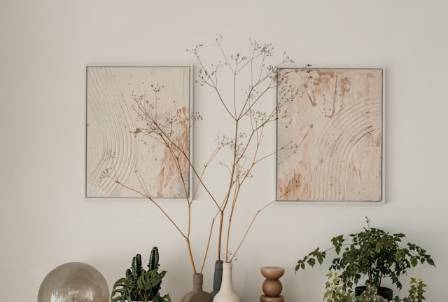
If a gallery wall isn’t your style, use a shelf or dresser. For paper art, pick a frame that stands on its own; for canvas, have it framed to sit upright. Pair the art with a vase of flowers, a houseplant (more on this below), or other decor you love. Try matching a color from the artwork to the decor to make the piece pop.
A quick tip: Many people hang art above fireplaces or place it on mantels, but I’d avoid this. Fireplaces produce dust and smoke (you might notice the ceiling above stays dirty), which can damage art—especially canvas, which may need professional cleaning later. Framed art with glass can work, but you’ll need to clean the frame regularly.
Pair Art with Plants
I’m a plant lover—they’re everywhere in my home: corners, shelves, floors, hanging from ceilings. So my art always ends up near plants. You might have styled art with cut flowers in a vase (which looks nice!), but I recommend going a step further: buy a plant and pot that complement your artwork.
Here’s an example: When I wanted to photograph my small oil painting Savour the Liveliness (20x20 cm, depicting a bright forest glade), I carried it around my home to find the perfect plant. I wanted to extend the “forest feel” from the painting into real life—and plants do that beautifully. I ended up using a small asparagus fern in a brown pot; it looked like a tiny tree or giant fern (I didn’t have a real fern at the time).
The goal is to find a plant that either matches the artwork’s colors or texture, or brings the feeling of the piece to life. It’s a magical touch! Plant pots also pair well with art prints or originals—just keep color coordination in mind.
For Book Lovers: Mix Art with Bookshelves
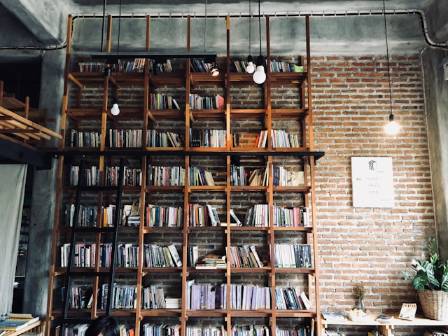
Let’s be honest—there’s never enough wall space for all our bookshelves, yet we still want to display art, prints, or posters. The solution? Small paintings, which fit perfectly on bookshelves. You can arrange them alongside books, adding small decor pieces to tie the look together. For example, a 20x20 cm oil painting might sit next to a stack of books, with a tiny candle or fern nearby. Or mix art with collected items (like small sculptures or rocks) to create a layered, personal display. A forest-themed painting, for instance, could pair with ferns, pieces of wood, or petrified wood to enhance its vibe.
Add Candles for Coziness
This tip is for anyone who loves a warm, romantic, or even whimsical atmosphere. I don’t use lit candles in my home, but I know many people adore them—and art looks stunning next to a candle. The simplest way to style a piece is to place it on a dresser, with a bouquet of flowers on one side and a candle on the other. It’s classic, elegant, keeps focus on the art, and works even for minimalists.
Choosing the right candle: It depends on your interior style and the artwork’s size. For larger paintings, a sturdy candlestick or thick candle works well. Small art pairs better with a tiny candle or short candlestick. Medium-sized pieces look great with thin, tall candles or candlesticks. Ultimately, it’s your call—go with what feels right for your space.
Don’t Leave Large Paintings Alone
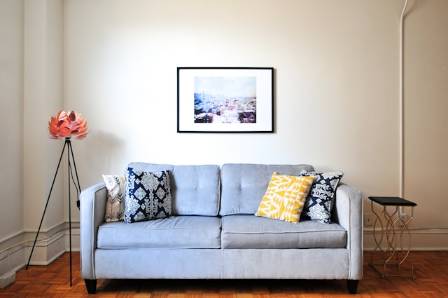
Let’s circle back to that “big white wall with a large painting” scenario. Maybe you have walls that can handle a large piece—but even then, don’t hang it alone on an empty wall. It might be the room’s focal point, but it will lack the personal touch that makes your home feel lived-in and cozy. You don’t want your space to look like a mock-up!
So, what can you add to a large artwork on a big wall? Try a dresser, a floor vase with dried flowers, a large plant (see Tip 2), or a small reading nook with a coffee table, pillows, and a blanket. A slim glass cabinet filled with favorite books or special items (like gin or whiskey bottles, if you enjoy them) also works. You could even hang a few small prints or paintings on one side of the large piece. The options are endless! Personally, I love placing large art or prints in dining rooms—they often complement the long lines of a dining table and a central pendant light perfectly.