Wire dispatch
Artistic Manual: Creating Picturesque Felt Landscapes
Transforming raw wool into a two-dimensional landscape is an evocative way to "paint with fiber." Known as needle felting or "wool painting," this technique uses specialized needles to interlock fibers onto a flat backing, creating depth, texture, and vibrant color gradients. By following a structured approach—from background to foreground—you can capture the serene beauty of the natural world in a tactile, textile format.
Ryan Christopher Langley
Wire note
Signal tip
The full dispatch write-up continues below on the discovery terminal.
Channel
Discovery Wire
Transforming raw wool into a two-dimensional landscape is an evocative way to "paint with fiber." Known as needle felting or "wool painting," this technique uses specialized needles to interlock fibers onto a flat backing, creating depth, texture, and vibrant color gradients. By following a structured approach—from background to foreground—you can capture the serene beauty of the natural world in a tactile, textile format.
Preparing the Canvas and Base Materials
Unlike three-dimensional sculptures, felt landscapes require a flat "canvas" as a foundation. High-quality felt sheets, linen, or even denim serve as excellent backings. For the "paint," you will want a diverse palette of wool roving. Merino wool is highly recommended for its softness and ease of blending, making it perfect for skies and water. For more textured elements like rocky cliffs or rugged fields, coarser wools or curly locks can add a realistic, three-dimensional quality to the scene.
In addition to your wool, a firm foam pad is necessary to support your work as you punch the needles through the fabric. A multi-needle tool is also helpful for covering large areas like the sky or meadows, while single needles of varying gauges are essential for the intricate detailing phase.

Layering the Atmosphere and Background
The secret to a successful wool painting lies in building the scene from the farthest point forward. Begin with the sky, pulling thin, wispy clouds of wool and layering them horizontally across the top of your canvas. By overlapping different shades of blue, purple, or soft orange, you can create a realistic gradient. Use your needles to lightly "tack" the wool down, ensuring the fibers are secure but not over-felted, which allows for easier adjustments later.
Once the sky is established, move to the distant background. This might include far-off mountain ranges or a hazy treeline. To create a sense of distance, use muted, desaturated colors—lighter and cooler than the colors you plan to use for the foreground. Atmospheric perspective is key; the further away an object is, the less detail and contrast it should have.
Defining the Midground and Foreground
As you move toward the middle of the composition, you can begin to introduce more vibrant colors and defined shapes. This is where you might felt a rolling meadow, a winding river, or a cluster of trees. To create the illusion of texture in a field, blend several shades of green and yellow wool by hand before applying them. This mimics the varied colors of natural grass and prevents the landscape from looking flat.
The foreground is where you add your "hero" elements and the most intricate details. This could be a large, weathered tree, a blooming wildflower patch, or the sharp ripples of a nearby stream. Use your finest needles to define sharp edges and add tiny highlights. You can also incorporate "specialty fibers" like silk or bamboo for a shimmering water effect, or yarn to represent thick branches and vines.
Final Detailing and Textural Finishing
The final phase involves refining the light and shadow to give the artwork depth. Use very small wisps of white wool to add highlights to the tops of clouds or the surface of a lake. Conversely, use deep browns or charcoals to define the shadows beneath trees and rocks. This contrast is what makes the felt painting "pop" and appear three-dimensional.
Once you are satisfied with the composition, go over the entire piece with a fine-gauge needle to ensure all fibers are firmly anchored to the backing. Some artists prefer to finish their work by lightly steaming it to flatten the fibers, while others leave the wool slightly raised for a more tactile, sculptural effect. Your finished felt landscape can then be framed in a shadow box or a simple embroidery hoop, preserving your fiber art for years to come.

More on the wire
LOG · en

Silk Secrets: Insider Tips for Styling Luxurious Silk
Master the elegance of silk with expert guidance. Discover how to combine textures, experiment with draping, and care for your silk pieces. Transform your outfits with fashion’s most cherished fabric.
LOG · en
The Secret Life of Clownfish and Their Incredible Underwater Alliances
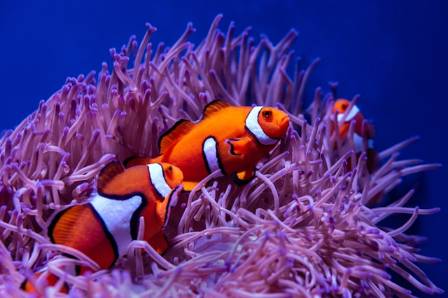
The ocean hides many colorful wonders. The clownfish ranks among the most famous marine creatures. Scientists place this vibrant animal in the kingdom Animalia and the phylum Chordate. It belongs to the class Actinopterygii and the order Perciformes. Its official family name is Pomacentridae. The genus is called Amphiprion. These small fishes possess striking appearances. They can display many brilliant hues depending on their specific species. Some appear bright yellow or deep orange. Others showcase radiant red or solid black bodies. Most individuals feature distinct white markings that contrast beautifully with their main body color. They generally remain quite small throughout their lives. The absolute smallest individuals measure roughly seven to eight centimeters in length. The largest specimens can grow up to seventeen centimeters long.
LOG · en

Definitive Guide to Decorating Tables with Fresh Flowers
Matching flower varieties and colors to the table’s overall theme helps elevate the mood and visual harmony.
LOG · en
Top 5 of the Most expensive VW Beetles
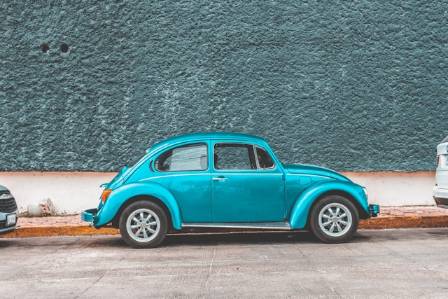
When the unassuming Volkswagen Beetle first made its way to Canada, it debuted with an accessible price tag: less than 1,600 US dollars for a brand-new model. Today, the iconic “Bug” has shattered auction records, with a Beetle customized to resemble the famous movie car Herbie selling for a staggering USD 212,500. That’s what you call an extraordinary return on investment.
LOG · en
Master the Art of Illustrating a Fairytale Castle
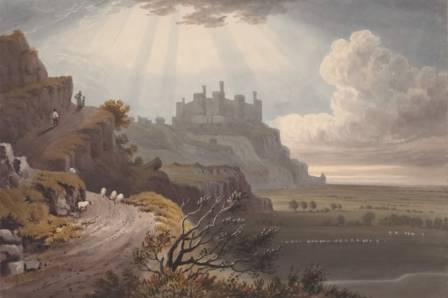
In this guide, you will learn how to design a magnificent fantasy fortress. This style takes inspiration from iconic cinematic castles and their real-world muse, Germany's Neuschwanstein Castle. Unlike strictly functional medieval forts, a fantasy castle prioritizes romantic aesthetics and grand silhouettes. We will build this structure piece by piece, using simplified techniques to keep the process accessible for any artist.
LOG · en
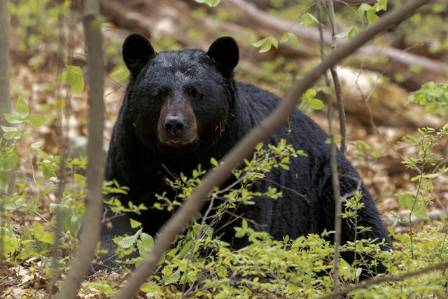
Incredible Hidden Truths and Amazing Secrets About the Native Black Bears
The American black bear is a massive mammal inhabiting the vast wilderness of North America. These large creatures possess a very distinctive physical appearance. They feature exceptionally thick dark fur alongside a prominent snout and round ears. They are significantly smaller than their brown cousins. Adult individuals typically range from one point three to one point nine meters in total length. They usually weigh anywhere between sixty and three hundred kilograms. However the largest adult males can reach two meters in length. These exceptional individuals sometimes weigh as much as four hundred kilograms.