Wire dispatch
Lotus Flowers and Aquatic Beauty
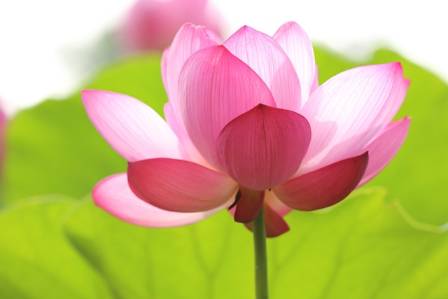
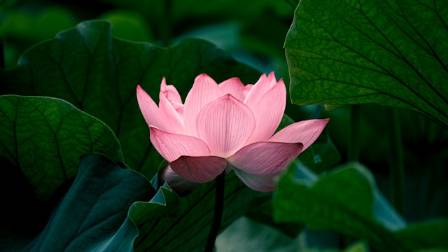
Lotus flowers are among the most admired aquatic plants in the world. Belonging to the Nelumbonaceae family, they flourish in freshwater environments such as ponds, lakes, and wetlands. Rising gracefully above muddy water, lotus blooms display stunning shades of white, pink, and yellow, creating a striking contrast against their lush green leaves.
Nora Lewis
Wire note
Signal tip
The full dispatch write-up continues below on the discovery terminal.
Channel
Discovery Wire
Lotus flowers are among the most admired aquatic plants in the world. Belonging to the Nelumbonaceae family, they flourish in freshwater environments such as ponds, lakes, and wetlands. Rising gracefully above muddy water, lotus blooms display stunning shades of white, pink, and yellow, creating a striking contrast against their lush green leaves.
Beyond their visual appeal, lotus plants are essential to healthy aquatic ecosystems. They provide shelter for wildlife, stabilize sediments, and improve environmental conditions for many aquatic organisms. Throughout history, lotus flowers have also symbolized purity, wisdom, resilience, and spiritual growth in many cultures.
The Ecological Importance of Lotus Flowers
Lotus plants contribute significantly to maintaining balanced aquatic habitats. Their extensive root systems anchor firmly into pond bottoms, helping prevent erosion and keeping sediments stable. This stabilization supports both plant life and aquatic animals that depend on a healthy underwater environment.
The broad leaves floating on the water's surface create shade, helping regulate water temperature and offering protection to fish and other aquatic species. These natural shelters enhance biodiversity and encourage a thriving ecosystem.
Lotus flowers also improve water quality by absorbing excess nutrients such as nitrogen and phosphorus. This process helps reduce the risk of harmful algal blooms and supports clearer, healthier water.
Lotus Roots and Their Function
The root system of a lotus plant serves as its foundation. Thick underground rhizomes anchor the plant securely in the pond bed while absorbing nutrients from the rich sediment below.
Unlike many aquatic plants that remain mostly near the water's surface, lotus roots extend deeply into the substrate. This strong anchorage helps prevent soil disturbance and erosion while supporting the overall stability of the pond.
The roots also create microhabitats where fish, insects, and beneficial microorganisms can thrive. These underground structures contribute greatly to the ecological health of aquatic environments.
The Many Roles of Lotus Leaves
Lotus leaves offer much more than ornamental beauty. Their large floating surfaces provide cooling shade that protects fish and other aquatic creatures from excessive heat.
These leaves also help control algae growth by reducing the amount of sunlight that penetrates the water. Limiting light availability helps prevent excessive algal development and improves water clarity.
In addition, lotus leaves contribute to oxygen production through photosynthesis. This oxygen supports aquatic life and promotes a healthier pond ecosystem overall.
Creating Habitat for Fish and Wildlife
Lotus plants create valuable underwater environments for a wide range of aquatic species. Their leaves provide cover where young fish can hide from predators and safely develop.
The intricate root systems offer shelter and feeding grounds for fish, invertebrates, and beneficial microorganisms. Many species use lotus-covered areas for spawning, increasing the survival chances of their offspring.
By supporting insects, fish, amphibians, and other wildlife, lotus plants greatly enhance biodiversity within ponds and lakes.
Building a Lotus Pond at Home
Creating a backyard lotus pond can be both enjoyable and environmentally beneficial. Selecting the right lotus variety is the first step, with species such as Sacred Lotus and American Lotus being popular choices.
A suitable pond should receive at least six hours of sunlight daily and maintain a depth of approximately 18 inches or more. Good water quality is essential, so using dechlorinated water and monitoring pH levels helps maintain a healthy environment.
Regular maintenance, including removing dead leaves and controlling plant growth, will ensure a thriving lotus pond that supports both beauty and aquatic life.
Environmental Benefits of Lotus Plants
Lotus plants provide numerous environmental advantages. Their roots naturally filter pollutants and excess nutrients from the water, helping maintain cleaner aquatic habitats.
The shade from their leaves regulates water temperatures and creates favorable conditions for fish and other aquatic organisms. Their presence also attracts birds, insects, and pollinators, increasing ecosystem diversity.
Additionally, lotus plants contribute to carbon storage through photosynthesis and help strengthen wetland resilience against environmental changes.
Cultural and Symbolic Significance
Across many civilizations, lotus flowers hold deep symbolic meaning. In Hindu traditions, the lotus represents purity, prosperity, and spiritual awakening. It is often associated with deities such as Lakshmi.
In Buddhism, the lotus symbolizes enlightenment and personal growth. Its ability to bloom beautifully from muddy water serves as a powerful metaphor for overcoming challenges and achieving wisdom.
Ancient Egyptian culture also valued the lotus, connecting it with the sun, rebirth, and protection. Throughout history, lotus flowers have inspired art, literature, architecture, and religious practices around the world.
Conclusion
Lotus flowers are far more than beautiful aquatic plants. They play a crucial role in stabilizing ponds, improving water quality, supporting wildlife, and maintaining ecological balance. Their roots, leaves, and blooms each contribute to the health of aquatic ecosystems while creating stunning natural landscapes.
At the same time, lotus flowers continue to inspire cultures worldwide with their symbolism of purity, strength, and renewal. Appreciating both their ecological value and cultural significance helps foster greater respect for these remarkable plants and the aquatic environments they enrich.
More on the wire
LOG · en
Coleus: A Color for Every Garden
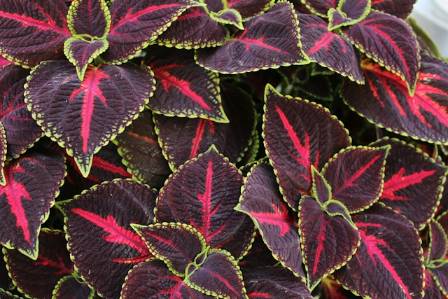
Coleus has been a dependable favorite in gardens for generations. It is primarily grown for its remarkable foliage, which comes in an enormous range of colors and patterns. These plants can tolerate a variety of soil conditions and can be grown in locations ranging from partial shade to sunny areas. Because of its importance and popularity as a garden plant, the National Public Garden Bureau designated 2015 as the Year of the Coleus.
LOG · en

5 Japanese Spices: Professional Techniques for Authentic Home Cooking
Authentic Japanese cuisine is defined by its delicate balance of flavors, and that balance hinges on five essential spices: shichimi togarashi, wasabi, sansho pepper, gomashio, and katsuobushi. Unlike generic seasoning blends that offer one-note flavor, these ingredients form the foundation of Japan’s culinary identity—from sansho pepper’s citrusy numbing kick to katsuobushi’s deep, savory umami. This guide goes beyond basic ingredient lists to unpack professional techniques for using each spice, common pitfalls to avoid, and trusted sources for authentic versions (not the watered-down imitations often found in supermarkets). Whether you’re a home cook looking to elevate ramen, sushi, or rice dishes, mastering these spices will transform your cooking from simply “Japanese-inspired” to genuinely true to tradition.
LOG · en

Taro Milk Tea Recipe: Easy Steps
The eye-catching purple color, smooth and creamy consistency, and lightly sweet, earthy taste make taro milk tea a favorite among bubble tea lovers. Beyond its beautiful appearance, this popular drink is surprisingly simple to prepare at home. Whether you're a longtime boba fan or trying it for the first time, this guide will help you create a delicious homemade taro milk tea with ease.
LOG · en

Ten Remarkable Insights Into the World of Whales
Whales are some of the most captivating residents of our oceans, encompassing a vast array of species with unique biological and behavioral traits. From the haunting melodies of the humpback to the record-breaking depths reached by beaked whales, these marine mammals continue to surprise researchers with their complexity and resilience.
LOG · en

Tomato Basil Pasta That’ll Make You Forget Fast Food
There’s something incredibly satisfying about a plate of pasta coated in juicy tomatoes and aromatic basil. I still remember serving this Tomato Basil Pasta to friends for the very first time. The comforting aroma of garlic and onions cooking in olive oil filled the kitchen, while the simmering tomatoes created a cozy, homemade atmosphere that instantly brought everyone together. Since then, this easy pasta dish has become one of my favorite go-to meals for hectic evenings when takeout simply doesn’t compare.
LOG · en

The Ultimate Ice Cream Showdown: 8 Popular Brands Ranked
For many, ice cream is a year-round indulgence, not just a summer treat. But with so many brands lining the freezer aisle, how do you know which one is truly worth your money? To find out, I conducted a blind taste test of cookies 'n' cream ice cream from eight popular brands. This flavor, with its simple vanilla base and chocolate cookie mix-ins, serves as an excellent benchmark for overall quality. Here are the results, ranked from least to most impressive.