
Wire dispatch
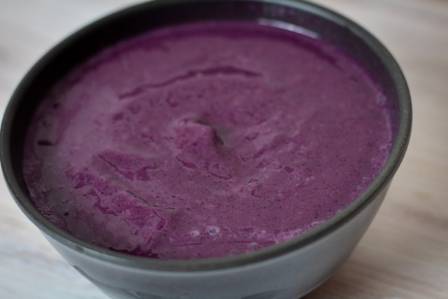
Taro Milk Tea Recipe: Easy Steps
The eye-catching purple color, smooth and creamy consistency, and lightly sweet, earthy taste make taro milk tea a favorite among bubble tea lovers. Beyond its beautiful appearance, this popular drink is surprisingly simple to prepare at home. Whether you're a longtime boba fan or trying it for the first time, this guide will help you create a delicious homemade taro milk tea with ease.
Nolan Ash
Wire note
Signal tip
The full dispatch write-up continues below on the discovery terminal.
Channel
Discovery Wire
The eye-catching purple color, smooth and creamy consistency, and lightly sweet, earthy taste make taro milk tea a favorite among bubble tea lovers. Beyond its beautiful appearance, this popular drink is surprisingly simple to prepare at home. Whether you're a longtime boba fan or trying it for the first time, this guide will help you create a delicious homemade taro milk tea with ease.
The Star Ingredient: Taro
Taro is a starchy root vegetable commonly grown throughout Southeast Asia. Its naturally sweet flavor, often compared to a blend of vanilla and sweet potato, makes it an excellent addition to milk tea. Its signature purple shade comes from natural pigments, giving the drink its distinctive look.
Ingredients You'll Need
Before you begin, gather the following essentials:
Taro powder – The key ingredient that provides the drink's characteristic flavor and color. Choose a high-quality brand for the best results.
Milk – Whole milk creates a rich and creamy texture, though almond, oat, or soy milk can also be used.
Sweetener – Granulated sugar, brown sugar, honey, or another sweetener according to your preference.
Black tea – Strong varieties such as English Breakfast or Earl Grey work especially well.
Tapioca pearls (boba) – The classic chewy topping that completes the drink.
Ice cubes – For serving the tea chilled and refreshing.

Brewing the Tea Base
Prepare the tea by placing 1–2 teaspoons of black tea leaves into a mug or teapot for every cup of water.
Pour hot water over the leaves and steep for about 3–5 minutes.
Strain out the tea leaves once the flavor has developed.
Allow the tea to cool completely before mixing it with milk to avoid curdling.
Creating the Taro Mixture
In a separate bowl or shaker, combine 2–3 tablespoons of taro powder with a small amount of milk.
Whisk thoroughly until a smooth paste forms without lumps.
Gradually pour in the remaining milk while whisking continuously.
Add your preferred sweetener and stir until dissolved. Taste and adjust the sweetness if needed.
Assembling the Drink
Fill a serving glass with ice cubes.
Pour the cooled tea into the glass.
Add the prepared taro milk mixture and stir gently until blended.
Cook the tapioca pearls according to the package directions. Drain and rinse before adding them to the drink.
For extra presentation, top with whipped cream, a dusting of cinnamon, or a few taro chips.
Helpful Tips for Better Taro Milk Tea
Experiment with flavors by adding vanilla extract, cinnamon, or nutmeg.
Adjust sweetness gradually to match your personal preference.
For an ultra-smooth texture, blend the taro mixture before combining it with the tea.
Try different milk options such as almond milk for a nutty flavor or soy milk for a lighter finish.
Avoid overcooking the tapioca pearls, as they can become excessively chewy and lose their ideal texture.
More Than Just a Beverage
Often known as bubble tea or boba tea, taro milk tea is more than a refreshing drink. Originating in Taiwan, it has become a global sensation and an important part of modern tea culture. Its unique combination of flavors, textures, and visual appeal has attracted fans around the world.
A Drink That Continues to Evolve
Over the years, taro milk tea has inspired countless creative variations. Popular additions include matcha, mango, red beans, flavored foams, and fruit toppings. Its versatility allows endless customization, helping it remain one of the most beloved bubble tea flavors.
Final Thoughts
Making taro milk tea at home allows you to customize every aspect of the drink, from sweetness and creaminess to toppings and flavor combinations. It's a fun way to enjoy a café-style beverage while exploring the unique taste of taro. Gather your ingredients, brew your tea, and enjoy a homemade cup of this colorful classic.
Frequently Asked Questions
Can I use instant taro milk tea powder?
Yes. Ready-made taro milk tea mixes are convenient and easy to use. However, flavor quality may vary depending on the brand.
How long does homemade taro milk tea last?
Store the tea in the refrigerator for up to three days. For best texture, keep the tapioca pearls separate until serving.
What are some popular taro milk tea variations?
Popular options include taro with matcha, mango, red beans, coconut, or flavored cheese foam toppings.
Can I make taro milk tea without boba?
Absolutely. The drink is delicious on its own and can also be topped with whipped cream, pudding, or flavored foam.
Is taro milk tea gluten-free?
The basic ingredients are naturally gluten-free. However, some commercial taro powders and tapioca pearl brands may contain gluten, so always check product labels if you have dietary restrictions.
More on the wire
LOG · en

Roses: Timeless Beauty
Few flowers are as admired and cherished as the rose. With its soft petals, delightful fragrance, and timeless appeal, the rose has long been associated with affection, elegance, and romance. Available in a wide range of colors, forms, and varieties, roses add beauty to gardens, homes, and special events around the world. Whether displaying rich red blooms, gentle pink shades, or cheerful yellow blossoms, roses have a unique ability to brighten any environment and create a sense of sophistication.
LOG · en

Everything you need to know about mute swans
Mute swans are a familiar sight on ponds, lakes, rivers, and other waterways in urban areas. Because they often live close to towns and cities, many people encounter them during everyday walks and exercise near their homes. They are the largest and heaviest waterfowl species in the British Isles and are also the only swan species there that remains year-round rather than migrating. However, they may still travel to different parts of the country during winter when better feeding opportunities are available.
LOG · en

Best Solid Wood Storage Cabinets for Home & Office
Keeping a home or office organized becomes much easier with the right furniture. A thoughtfully designed storage cabinet not only reduces clutter but also improves the overall appearance and comfort of a room. Among the many storage options available today, solid wood cabinets remain one of the most popular choices because of their durability, timeless style, and ability to blend effortlessly with different interior designs. Whether placed in a bedroom, kitchen, living room, or workspace, a solid wood cabinet adds warmth, character, and functionality.
LOG · en

Iconic classic cars of all time
Nothing evokes passion and admiration quite like classic cars. These machines are more than mere transportation—they are rolling masterpieces, carefully crafted to combine design, performance, and elegance. For car enthusiasts and collectors, classic automobiles are akin to fine art, embodying a timeless sense of style and engineering prowess. In this article, we explore ten legendary classic cars that have left an enduring imprint on automotive history.
LOG · en
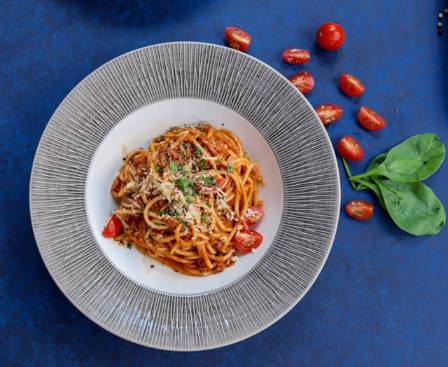
Spaghetti with Tomato Sauce
Spaghetti with tomato sauce is one of the most comforting and timeless Italian dishes. Its rich aroma and simple, hearty flavors have made it a favorite all over the world. But no matter how good your version might be, nothing quite compares to the one made by my Nonna. Her generation truly mastered the art of pasta asciutta.
LOG · en

How to Care for a Jasmine Plant
Jasmine plants, scientifically classified under the genus Jasminum, are beloved around the world for their elegant flowers, captivating fragrance, and attractive green leaves. These beautiful plants originate from tropical and warm temperate areas across Eurasia, Australasia, and Oceania. They are members of the olive family, Oleaceae.