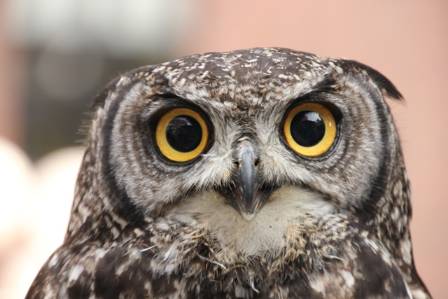
Owl Eyes Unveiled: Nature’s Nocturnal Marvels

Wire dispatch

Owl Eyes Unveiled: Nature’s Nocturnal Marvels

What gives owls their trademark intense gaze? Unlike most birds, both of an owl’s eyes sit on the front of the head, creating a powerful, human-like depth perception known as binocular vision. This setup helps them zero in on prey with remarkable precision. In fact, among all birds, owls have some of the most forward-facing eyes. But their ocular superiority doesn’t stop there. Unlike us, owls possess a hidden layer of protection — a translucent third eyelid, called a nictitating membrane, which sweeps across their eyes from the inner corner. This shield guards their vision during high-speed dives and close encounters.

E

Ethan Caldwell

Wire note

Signal tip

The full dispatch write-up continues below on the discovery terminal.

Channel

Discovery Wire

Vision Built for the Hunt

What gives owls their trademark intense gaze? Unlike most birds, both of an owl’s eyes sit on the front of the head, creating a powerful, human-like depth perception known as binocular vision. This setup helps them zero in on prey with remarkable precision. In fact, among all birds, owls have some of the most forward-facing eyes.
But their ocular superiority doesn’t stop there. Unlike us, owls possess a hidden layer of protection — a translucent third eyelid, called a nictitating membrane, which sweeps across their eyes from the inner corner. This shield guards their vision during high-speed dives and close encounters.

Masters of the Night

Hunting under the cover of darkness demands a highly specialized visual toolkit — and owls have it in spades. Their eyes are enormous compared to their bodies, sometimes comprising up to 5% of their total weight. This helps them capture and process even the faintest glimmers of moonlight.
Within the retina, owls have a higher proportion of rod cells, which are incredibly sensitive to light and motion. Where humans average about 20 rods per cone cell, owls boast a ratio of about 30 to 1, giving them superior low-light sight.
Behind the retina lies another advantage: a reflective layer called the tapetum lucidum. This structure amplifies available light, sending it back through the eye for a second chance at detection — which is why owl eyes can seem to glow when caught in headlights or flashlight beams.

Form Meets Function

There’s a reason owl eyes are often described as enormous. Their elongated shape — more like tubes than spheres — allows them to gather more light. But there’s a tradeoff: they can’t move their eyes within their sockets.
To make up for this, owls have evolved an extraordinary neck. They can twist their heads up to 270 degrees left or right, and even tilt them up and down by 90 degrees. This flexible range gives them a panoramic field of view without shifting their body.
In some owl species, their eyes are so large you can glimpse the back of the eye through their ear openings. Though they may struggle with close-up focus, they use fine-tuned facial bristles around the beak to detect nearby objects.

Not Just Night Owls

Contrary to popular belief, owls aren't blinded by daylight. Their pupils adjust independently to control light intake, letting them adapt to a range of brightness levels. Some owls are actually most active at dawn, dusk, or even during the day.
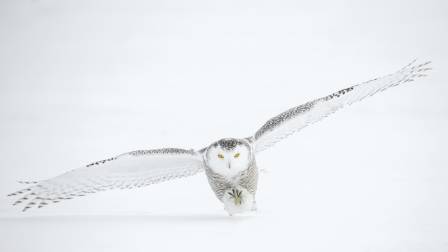
One hint to an owl’s activity schedule is hidden in their eye color. While not a strict rule, owls with darker eyes (like the Barred Owl) are often nocturnal. Those with yellow or orange eyes (like the Snowy Owl) are more likely to be active during daylight hours.

Facing New Challenges

Though owls are elusive and well-adapted hunters, they aren’t immune to modern threats. The biggest concern is habitat loss — when forests, wetlands, and open fields are cleared or altered for development, agriculture, or industry. Even remaining habitats can become fragmented or degraded, reducing their ability to support wildlife.
Other dangers include collisions with windows and towers, exposure to chemicals, and predation by invasive species. The climate crisis is also reshaping ecosystems, disrupting seasonal food patterns and nesting behavior.

Simple Steps Toward a Safer World for Owls
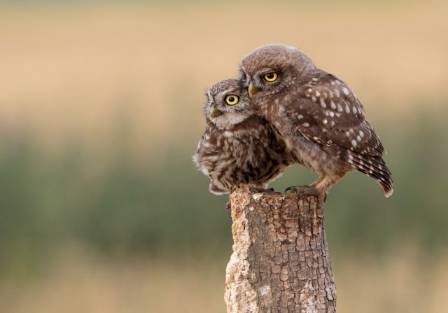
While large-scale conservation efforts continue, there are things anyone can do to make a difference:
  • Choose native plants for your yard to support a healthy food web.
  • Minimize pesticide use to protect insects and small animals owls depend on.
  • Keep pet cats indoors to reduce threats to birds and other wildlife.

Nature’s Night Watchers

From their immense, light-gathering eyes to their incredible neck mobility and silent flight, owls are a stunning example of evolutionary perfection. Their stare isn’t just captivating — it’s the product of countless generations of adaptation for life after dark.
So next time you catch a glimpse of those glowing eyes in the shadows, remember: you're looking at one of the animal kingdom’s most specialized and secretive hunters.

More on the wire

LG

LOG · en

The Most Vital Habitats: 5 Types of Monarch Habitat

The Most Vital Habitats: 5 Types of Monarch Habitat

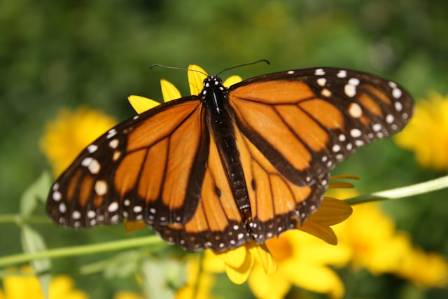
monarch butterflies rely on milkweed to complete their life cycle, so habitat can be anywhere milkweed grows. This overview highlights five common monarch habitats where milkweed and the butterflies themselves can thrive: Gardens, Managed Corridors, Agricultural Areas, and Natural and Restored Areas. Each section outlines what makes these spaces suitable and practical guidelines for supporting monarch populations.

LG

LOG · en

The Definitive Guide to Selecting the Ideal Women’s T-Shirt

The Definitive Guide to Selecting the Ideal Women’s T-Shirt

A high-quality t-shirt is the fundamental building block of any wardrobe. When chosen correctly, it offers a blend of comfort, aesthetic appeal, and longevity that withstands daily wear. Finding a garment you will reach for consistently involves looking beyond the surface to evaluate the textile, the silhouette, and the integrity of the manufacturing. This guide breaks down the essential factors to consider when investing in this timeless staple.

LG

LOG · en

The Most Majestic: Discovering the Largest Brown Bear Ever Recorded

The Most Majestic: Discovering the Largest Brown Bear Ever Recorded

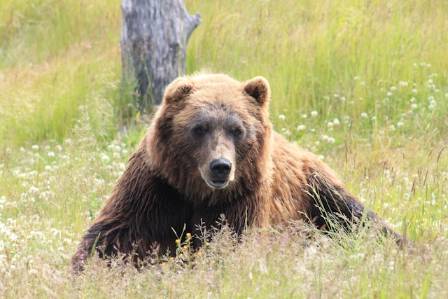
Bears come in several sizes and styles, but which species claims the title for the largest individual? While many might assume the brown bear takes the crown, coastally fed grizzlies can outsize their inland cousins. This article surveys the contenders for the largest brown bear on record, explores the species landscape, and explains how measurements are tracked by record-keepers.

LG

LOG · en

Taj Mahal: The Eternal Marble Masterpiece

Taj Mahal: The Eternal Marble Masterpiece

The Taj Mahal, a vast mausoleum of gleaming white marble, was constructed in Agra between 1631 and 1648 by the Mughal emperor Shah Jahan to honor the memory of his beloved wife, Mumtaz Mahal. It is celebrated as the pinnacle of Muslim architectural artistry in India and stands as one of the world’s universally acclaimed heritage masterpieces.

LG

LOG · en

Twenty One Fascinating Secrets You Should Know About Wild Swallows

Twenty One Fascinating Secrets You Should Know About Wild Swallows

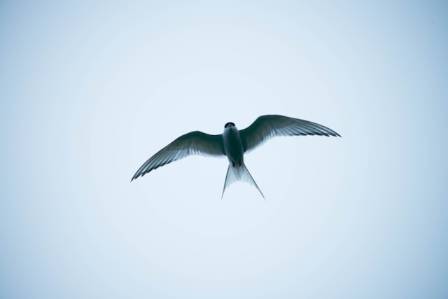
These graceful airborne birds belong to a specific avian family named Hirundininae. This biological group also includes all species of martins. There are eighty four recognized species thriving across the globe today. These aerial creatures are completely separate from swifts and do not share any close genetic relationship with them.

LG

LOG · en

Vintage Color Palettes in Colored Pencil

Vintage Color Palettes in Colored Pencil

I have a passion for all things vintage. When I feel stuck with my color choices, or when I want to experiment creatively but don’t have the energy to start a full drawing from scratch, creating color palettes is one of my favorite ways to spark inspiration.