Wire dispatch
Fascinating Insights into the World of Antelopes
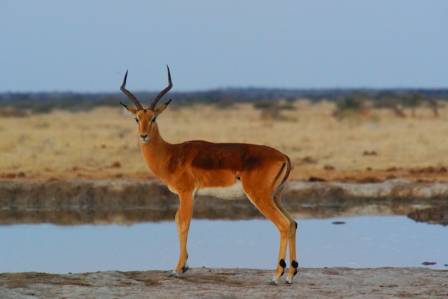
Antelopes are a diverse group of mammals with nearly 100 distinct species identified globally. While the vast majority inhabit the expansive African savannahs, these resilient creatures have adapted to a remarkable range of environments. They can be found in dense forests, thick brush, rugged rocky terrain, arid deserts, and even water-saturated marshlands. Social by nature, antelopes typically live in groups referred to as herds.
Lucille Antoinette Fairchild
Wire note
Signal tip
The full dispatch write-up continues below on the discovery terminal.
Channel
Discovery Wire
Antelopes are a diverse group of mammals with nearly 100 distinct species identified globally. While the vast majority inhabit the expansive African savannahs, these resilient creatures have adapted to a remarkable range of environments. They can be found in dense forests, thick brush, rugged rocky terrain, arid deserts, and even water-saturated marshlands. Social by nature, antelopes typically live in groups referred to as herds.
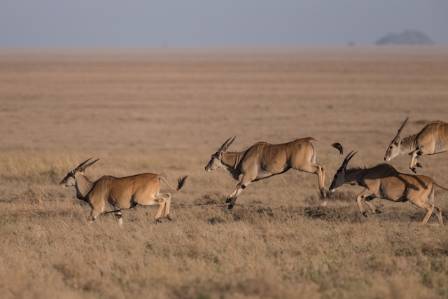
These animals are renowned for their physical agility, characterized by their ability to run at high speeds and perform powerful leaps. To survive in the wild, antelopes rely on their keen senses and athletic prowess to evade predators. A key biological advantage is the placement of their eyes on the sides of their heads, which grants them an exceptionally wide field of vision to spot approaching threats.
Physical Traits and Unique Horns
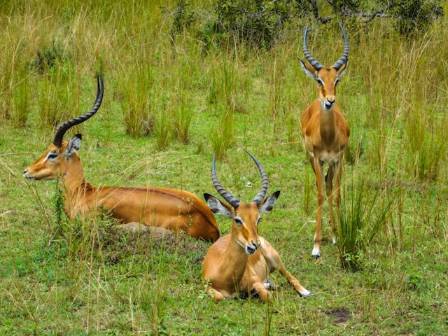
One of the most defining characteristics of the antelope is its horns. Unlike deer, which shed their antlers every year, an antelope's horns grow continuously throughout its life. Interestingly, these horns are primarily used by males during intraspecific competitions for mates rather than as a primary defense mechanism against hunters.
While most species follow a standard anatomy, the four-horned antelope is a unique exception, possessing four horns instead of the typical two. Unfortunately, this specific species is currently facing the threat of extinction due to the destruction of its natural environment and the pressure from trophy hunting.
Regional Species and Conservation Success
Asia also hosts several notable species, particularly in India, where the chinkara, nilgai, blackbuck, and Tibetan antelope reside. Among these, the nilgai holds the title of the largest antelope species on the Asian continent. In Africa, the springbok serves as the national animal of South Africa. This species is famous for a behavior called "stotting," an impressive display where the animal leaps repeatedly into the air, reaching heights of up to 2 meters (approximately 6.6 feet).
Conservation efforts have also played a vital role in the history of certain species. The Arabian oryx, which is highly specialized for desert survival, was declared extinct in the wild during the 1970s. However, dedicated breeding and protection programs have successfully reintroduced them to their native habitats. It is also worth noting that while the North American pronghorn is frequently called the "American antelope," it is not actually a member of the true antelope family.
More on the wire
LOG · en

The Croissant: From Austrian Kipferl to Global Pastry Icon
Few pastries evoke comfort, elegance, and culinary craftsmanship quite like the croissant. With its buttery, flaky layers that shatter at the lightest touch and its golden, crescent shape that’s instantly recognizable, it has become more than just a breakfast staple—it’s a cultural symbol. Synonymous with French patisserie, the croissant’s journey spans centuries, continents, and countless innovations, weaving together history, tradition, and technical ingenuity. On National Croissant Day, we delve into the rich tapestry of this beloved pastry, tracing its origins from humble Austrian beginnings to its status as a global culinary icon. Along the way, we’ll draw insights from Chef Jürgen David, ICE’s Director of Pastry Research & Development and a native Austrian with a lifelong passion for laminated doughs, to separate fact from fiction and celebrate the artistry behind every croissant.
LOG · en

Business casual outfit ideas for women
Dressing appropriately for the workplace does not mean you have to give up comfort. The secret is building a collection of reliable business casual outfits that combine a polished appearance with an effortless feel. By choosing refined basics and comfortable tailoring, you can easily transition from office meetings to casual gatherings after work.
LOG · en

10 Amusing Cat Behaviors and Their Whimsical Reasons
As one of the internet's favorite companions, cats bring unparalleled joy to the lives of their owners with their distinct personalities. While forming deep connections and cherished bonds with their human counterparts, cats also exhibit peculiar and whimsical behaviors that can leave us scratching our heads. Let's delve into 10 goofy antics that cats engage in and explore the reasons behind their amusing actions.
LOG · en

The Heart of the Dining Room: Trends, Elements, and Insights into Table and Chair Designs
Dining rooms have long been spaces where functionality and style intersect, but today’s table and chair designs offer far more than just practicality. This article explores how dining tables and chairs have evolved into design statements, skillfully balancing visual allure and usefulness while shaping the overall dining experience.
LOG · en

The basics of microchips
It’s difficult to picture life without microchips. These tiny components are at the core of the devices we rely on every day—whether for work, travel, health, or entertainment. From automobiles to smartphones, MRI machines to industrial robots and cloud data centers, microchips power the technology that surrounds us.
LOG · en

AI and Robotics Support Human Space Exploration
As the world celebrates the success of the Artemis II mission and anticipates future milestones—including another moon landing, a permanent lunar base, and eventual journeys to Mars—some voices remain skeptical.