Wire dispatch
A Beginner’s Guide to Hiking in the Desert
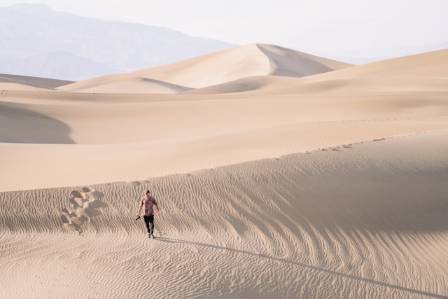
Great news! Your first desert trip is booked and marked on the calendar. As you start getting your hiking boots ready and daydreaming about red rock landscapes, it’s important to think about how a desert hike differs from trails in the mountains.
Lily Thompson
Wire note
Signal tip
The full dispatch write-up continues below on the discovery terminal.
Channel
Discovery Wire
Great news! Your first desert trip is booked and marked on the calendar. As you start getting your hiking boots ready and daydreaming about red rock landscapes, it’s important to think about how a desert hike differs from trails in the mountains.
Desert scenery offers some of the most unique and dramatic hiking experiences in the world, but this terrain can be dangerous, even life-threatening—for hikers who aren’t prepared. Every year, many people lose their lives to heat stroke and dehydration, but most of these tragedies can be prevented with basic knowledge of desert conditions and proper preparation.
To help you feel ready to safely tackle your first desert adventure, we’ve put together our top tips for staying safe while hiking in these unique environments. It’s worth noting that many of these tips can vary depending on the region, season, and specific trail, but they serve as a reliable “general rule” for desert safety during your next southwest trip.
Hydration & Salty Snacks Are Key
With little shade, extremely high temperatures, and scarce natural water sources, the desert is an unusually harsh environment. Packing more water than you think you’ll need is essential for staying properly hydrated and avoiding the risks of heat stroke. The National Park Service suggests drinking a gallon of water per day in their Southwest parks, but this amount will be even higher if you’re hiking long distances or venturing out during the peak summer heat.
In addition to water, bringing electrolyte drinks (such as Gatorade or Propel) will help replace the minerals your body loses through sweat during the hike.
Finally, it’s important to eat salty snacks throughout the day to replenish what you sweat out—surprisingly, potato chips and even cookies can be helpful during desert hikes. Pair these salty treats with protein and whole grains to maintain long-lasting energy, and you’ll have the stamina to keep going throughout your hike.
Hike During “Off-Times”
While summer is the perfect season for hiking high alpine peaks and mountain trails, it’s a dangerous time to hike in the desert. Daytime temperatures often reach 100°F (38°C) or higher, so many hikers choose to explore during autumn, winter, or spring to avoid the hottest months. No matter which season you visit, the general rule for desert hiking is to head out early in the morning or late in the afternoon.
It might be tempting to hike during the middle of the day to cover more miles, but experienced desert hikers avoid the peak heat and take advantage of any shade available during these “off-peak” hours. If you’re planning an all-day hike or a longer backpacking trip, many hikers take a long break in a relatively shady spot during the hottest part of the day to avoid expending energy in the intense afternoon sun. After napping, rehydrating, and refueling, they often continue hiking until after sunset to maximize the distance they cover each day.
Another benefit of this approach is that trails are usually less crowded in the early morning and late afternoon. Plus, if you time it right, you’ll get a front-row seat to the famous, vibrant sunrises and sunsets that deserts are known for.
While keeping an eye on daytime high temperatures is crucial for safety, it’s also important to remember that deserts get cold at night—temperatures can sometimes drop by more than 40°F (4°C) once the sun goes down. Even though this cool air might feel refreshing after a day of hiking in the sun, it’s wise to pack a light jacket or some kind of insulating layer if you plan to camp or hike into the night.
Clothing & Sun Protection
It might seem obvious, but wearing the right clothing and using sun protection are vital for staying safe on a desert hike. When it comes to sun protection, sunglasses, sunscreen, wide-brimmed sun hats, and loose-fitting synthetic clothing will help keep you as cool as possible while shielding your body from the intense desert sun. Use a high-SPF sunscreen and reapply it every 1–2 hours to prevent sunburn and sun poisoning.
It might sound counterintuitive, but wearing a light-colored long-sleeve shirt can actually help protect your skin and keep you cool by blocking direct sunlight. Always avoid cotton in the desert if you can—instead, opt for loose-fitting synthetic fabrics, which wick away sweat and dry quickly.
It’s also important to steer clear of dark-colored hats and shirts. Dark hues absorb sunlight, which will make your body hotter throughout the day. Light-colored tank tops, long-sleeve shirts, and sun hats are essentials that should always be in your pack for a desert hike.
Watch For Unique Desert Wildlife
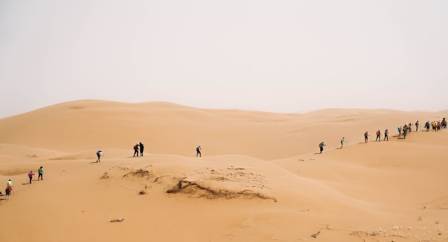
While mountain hikers worry about bears and mountain lions, desert hikers need to stay alert for different kinds of dangers on the trail. Scorpions, tarantulas, venomous lizards, and rattlesnakes are experts at blending into desert landscapes, and all of them can be potentially deadly. Whenever possible, avoid putting your hands in cool, damp spots (like crevices while rock climbing or scrambling), and always check your sleeping bag and boots before using them.
Cacti are easier to spot, but they can be just as harmful. Cactus spines can cause intense pain and infection if removed incorrectly, so it’s important to carry basic desert first-aid supplies, such as sturdy tweezers and disinfectant. Always be careful where you sit, set up your camp, and place your backpack.
Plan Ahead For Water Sources
Water sources are rare in many desert areas, which can make refilling your water bottles a challenge. It’s always recommended to carry more water than you think you’ll need, even a few hours without hydration in the desert sun can be life-threatening.
Bringing a reliable map or navigation app (like Guthooks) is essential for planning your water refills. Paper maps can help you locate streams, creeks, and rivers, but real-time comments from app users can tell you if these sources are still flowing or have dried up for the season. Plan ahead before you leave town, and bring extra water bottles or hydration bladders to carry additional water.
Some desert trails have water cache systems that are restocked by “trail angels” (volunteers who help hikers). While these caches are great safety nets during long, dry stretches of trail, you should never rely on them completely, there’s no way to know if fresh water will still be available when you arrive.
No matter how you plan for water in the desert, always expect to carry a large amount in case your “Plan A” water source is dry. Prepare for the heavier load by choosing more compact gear, which will leave extra space in your pack for water bottles.
Know The Symptoms of Heat Stroke & Heat Exhaustion
Both heat stroke and heat exhaustion are dangerous conditions that can occur when hiking in extreme temperatures. While both can develop into serious medical issues, these heat-related illnesses can be prevented by limiting time in the sun and staying properly hydrated.
Heat exhaustion happens when your body overheats after spending a long time in hot conditions, especially if combined with high humidity or strenuous activity. If you or a hiking partner shows signs of heat exhaustion, move to an air-conditioned space or a shady area as quickly as possible. Remove any tight clothing and encourage the person to drink fluids (avoid alcohol, caffeinated tea, coffee, or soda). Cold showers or cold compresses can also help ease symptoms significantly. Most people recover from heat exhaustion without medical help, but call 911 if vomiting lasts for a long time. If left untreated, heat exhaustion can lead to heat stroke, so it’s important to act as soon as symptoms appear.
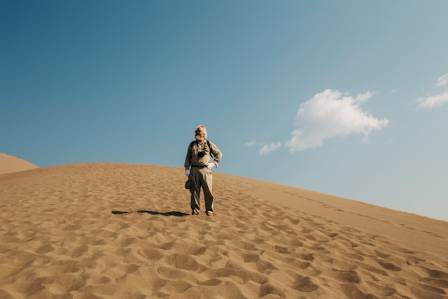
Heat Exhaustion Symptoms:
Cool, damp skin with goosebumps (even in hot weather)
Heavy sweating
Faintness
Dizziness
Fatigue
Weak, rapid pulse
Low blood pressure when standing
Vomiting
Muscle cramps
While most people recover quickly from heat exhaustion, heat stroke is much more serious. Heat stroke occurs when your body temperature rises so high that it can no longer cool itself down. It’s life-threatening because it can damage the brain and other organs. If you suspect you or a hiking partner has heat stroke, call 911 immediately. While waiting for medical help, move the person to a cooler area and use a cold compress if available. Pay attention to the person’s mental state—if they seem confused or disoriented, think twice before giving them water, as they could choke if the illness has affected their ability to swallow.
Heat Stroke Symptoms:
A core body temperature of 104°F (40°C) or higher
Altered mental state or unusual behavior (e.g., confusion, agitation)
Lack of sweating
Nausea and vomiting
Flushed skin
Rapid breathing
Fast heart rate
Headache
Hiking in the desert comes with more challenges than mountain trails, but it can make you feel like you’re in a whole other world. With proper preparation and research, you’ll be able to enjoy the sights and sounds of the desert while making sure you return safely to share your adventure. Stay smart, plan ahead, and savor your trip to this uniquely beautiful and awe-inspiring landscape.
More on the wire
LOG · en

8 Oldest Lighthouse in the World
Before permanent lighthouses were constructed, fires set on hilltops guided sailors at sea. To enhance visibility, platforms were erected to elevate these fires, which eventually led to the emergence of lighthouses. Unlike modern ones that serve as navigational warnings, ancient towers primarily marked harbor entrances.
LOG · en

Exploring Nine Distinctive Types of Burgers
In the vast and vibrant landscape of modern cuisine, burgers have firmly established themselves as a beloved staple, constantly evolving and presenting a remarkable array of flavors and dining experiences. Whether served at casual diners or upscale restaurants, burgers have managed to captivate the taste buds of countless people around the world. Let's take a closer look at nine different types of burgers that each bring something unique to the table.
LOG · en

LED Technology Illuminates Cities: 20 Iconic Displays Worldwide
Boasting low energy use, intense luminosity, and vivid visual performance, LED technology is transforming architectural designs into urban landmarks and striking landscapes. Countless city skyscrapers have practically become emblems of modern LED display tech, serving to enhance urban aesthetics while showcasing commercial advertisements and coverage of major events. In this piece, we’ll highlight 20 renowned LED displays across the globe that have notably reshaped their respective cities and the daily lives of their inhabitants.
LOG · en
Essential Guidelines for Deploying Unmanned Aircraft in Public Infrastructure
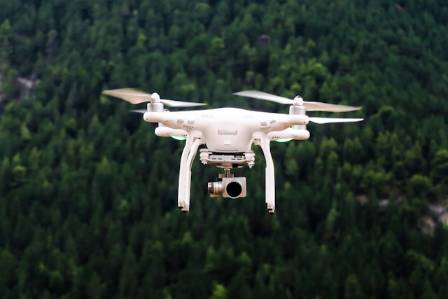
Unmanned aircraft systems (UAS), commonly referred to as drones, have become transformative tools for municipal and government agencies nationwide. By providing access to high-risk or unreachable locations, these devices significantly reduce operational costs and time while enhancing personnel safety. Whether used for infrastructure inspections or geographic mapping, drones offer a level of efficiency that traditional methods cannot match. However, successfully integrating this technology requires a thorough understanding of the regulatory landscape and safety protocols.
LOG · en

The Comprehensive Manual for Men's Tailoring
In an era defined by casual remote work and shifting dress codes, the necessity of a suit might seem debatable. Paradoxically, this makes it the perfect time to invest in one. With social calendars filling up and a growing weariness of loungewear, the suit is experiencing a cultural renaissance. Modern fashion has liberated tailoring from rigid rules; it is no longer about the standard navy set but about bold pinstripes, classic houndstooth, and personal expression. Whether paired with a traditional silk tie or a vintage graphic tee, every man needs at least one exceptional suit.
LOG · en

Real-Life Cute Robots
Whenever robots appear in the news these days, they usually seem to fall into one of two categories: ultra-realistic humanoids doing shockingly human things, or machines that look slightly unsettling and make people nervous about the future.