
Wire dispatch
How to Wear a Watch
Wearing a watch is more than a way to tell time—it is a subtle expression of personal style. From classic analog timepieces to modern chronographs, the type of watch you choose and how you wear it can significantly impact your overall appearance. This guide provides expert advice on wearing a watch elegantly and appropriately.
Eleanor Whitman
Wire note
Signal tip
The full dispatch write-up continues below on the discovery terminal.
Channel
Discovery Wire
Wearing a watch is more than a way to tell time—it is a subtle expression of personal style. From classic analog timepieces to modern chronographs, the type of watch you choose and how you wear it can significantly impact your overall appearance. This guide provides expert advice on wearing a watch elegantly and appropriately.
Choosing the Right Watch for Every Occasion
Watches can elevate any outfit when matched to the occasion.
Formal Events: Select slim, classic watches with leather straps, silver or gold cases, minimal dials, and subtle markers. A simple three-hand watch is ideal.
Casual Outings: Opt for versatile stainless steel watches or fabric straps with slightly larger cases and more detailed dials, such as chronographs, to add personality without overwhelming your look.
Sports and Outdoor Activities: Choose robust watches with metal bracelets or rubber straps, featuring water resistance or a tachymeter for practicality and style.
Correct Watch Positioning
Wear your watch on the wrist opposite your dominant hand for comfort and to prevent damage. Place it just above the wrist bone to allow natural movement without restriction.
Ensuring the Perfect Fit
A watch should fit comfortably, leaving about a finger’s width between the strap and your wrist. Leather straps can be adjusted using the holes provided. Metal bracelets may require resizing, ideally done at a certified boutique to ensure a proper fit.
Matching Your Watch with Your Outfit

Leather Straps: Coordinate the strap color with your shoes and belt—brown leather pairs with brown shoes, black leather with black shoes.
Metal Bracelets: Silver, steel, or white gold complements cooler tones, while gold or rose gold suits warmer colors.
Layering Your Watch
Pairing a watch with slim bracelets or cuffs can enhance your style without overwhelming your wrist. Keep other jewelry minimal to maintain focus on the watch.
Watch Styles According to Dress Codes
Matching your watch to your attire ensures a coherent look.
Black Tie: Elegant dress watches with slim cases and leather straps.
Business Formal: Refined analog or minimal chronographs with leather or metal straps.
Smart Casual: Versatile analog or chronographs with moderate detailing and stainless steel.
Casual: Bold, expressive chronographs with large dials and sporty elements.
Caring for Your Watch
Maintain your watch’s appearance by cleaning it with a soft, dry cloth. Metal bracelets can be washed gently with mild soap and water. Store watches in their original case or a dedicated watch box to prevent scratches and damage.
Common Mistakes to Avoid
Avoid wearing watches too loosely, pairing inappropriate watches with certain outfits, or clashing with other jewelry or leather accessories.
Enhancing Your Style with Complications
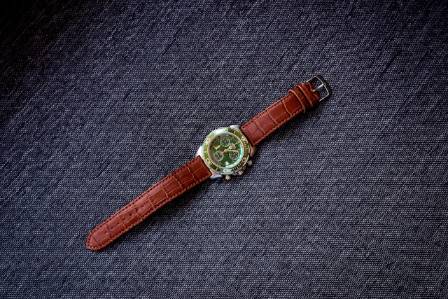
Watch complications—features beyond timekeeping—can enhance both style and functionality. Chronographs add sophistication and utility for casual or sporty looks, while moonphase or calendar complications add elegance to formal and business attire.
Wearing a watch properly demonstrates attention to detail, style awareness, and sophistication. By selecting the right watch, ensuring a comfortable fit, and caring for it correctly, you enhance both your appearance and confidence. A watch is not just an accessory—it is a reflection of your personality.
More on the wire
LOG · en

Artistic Fauna: 15 Watercolor Projects for Animal Lovers
The discipline of watercolor painting spans a vast spectrum, ranging from fluid, ethereal forms to meticulous, lifelike representations. The following fifteen animal-themed projects are designed to refine your technical abilities while helping you capture the essence of various creatures, from majestic wild cats to vibrant, multi-colored pets.
LOG · en

Floral Imagery in Art: A Legacy of Beauty and Symbolism
Throughout history, blooms have symbolized life, rebirth, and creation. From ancient wall markings to religious imagery depicting Eden as an untouched sanctuary, botanical subjects have long been part of visual storytelling. Painters across generations have infused blossoms with layered meanings—roses, irises, tulips, and carnations all carry distinct cultural associations. Their visual richness, combined with their emotional resonance, has made them central to some of the most celebrated works in Western art, like Monet’s Water Lilies or Van Gogh’s Sunflowers. A single petal can hint at innocence, desire, sorrow, or transformation. Beyond metaphor, flowers have captured artists through their vibrant hues and aesthetic elegance.
LOG · en

The 10 Greatest Basketball Players of All Time
The list reflects the author’s personal take—after decades of watching and debating sports—on the top ten basketball players ever. It acknowledges how subjective such rankings are.
LOG · en

The Remarkable Origins and History of Holography
Light moves through space as an electromagnetic wave. Holography relies directly on this wave behavior. Standard cameras use glass lenses to focus light onto electronic sensors or film. Standard photography simply records light intensity. Holography operates differently. It captures the actual shape of light waves reflecting off an object. The process resembles pressing a key into soft clay to leave a physical imprint. Meeting light waves create complex interference patterns. These patterns match ripples in a pond when two stones drop into water. Holograms store this wave information to generate complete three-dimensional images.
LOG · en
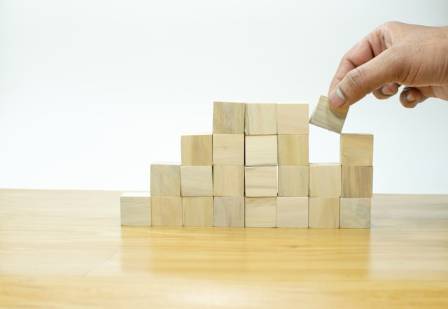
The Benefits of Building Blocks for Child Development
Building blocks have stood the test of time as a beloved staple in children’s toy collections across generations. Far more than just colourful pieces of wood, plastic, or foam, these simple yet infinitely versatile playthings serve as powerful catalysts for holistic child development. From nurturing cognitive prowess and refining physical dexterity to fostering social bonds and igniting creative sparks, block play offers a multifaceted learning experience that unfolds naturally through fun and exploration. In this comprehensive guide, we delve into the myriad ways building blocks contribute to every crucial aspect of a child’s growth journey, highlighting why this timeless toy remains an indispensable tool for parents and educators alike.
LOG · en

8 Oldest Lighthouse in the World
Before permanent lighthouses were constructed, fires set on hilltops guided sailors at sea. To enhance visibility, platforms were erected to elevate these fires, which eventually led to the emergence of lighthouses. Unlike modern ones that serve as navigational warnings, ancient towers primarily marked harbor entrances.