Wire dispatch
Wandering Dude: The Easy Houseplant That Keeps Growing
Wandering Dude, also known as Tradescantia, is an excellent choice for beginners. It is remarkably tolerant if you occasionally forget to water it, and it can even handle a little overwatering. It is also adaptable when the lighting is not ideal, and rather than simply surviving less-than-perfect conditions, it continues to grow.
Vanya Rhodes
Wire note
Signal tip
The full dispatch write-up continues below on the discovery terminal.
Channel
Discovery Wire
Wandering Dude, also known as Tradescantia, is an excellent choice for beginners. It is remarkably tolerant if you occasionally forget to water it, and it can even handle a little overwatering. It is also adaptable when the lighting is not ideal, and rather than simply surviving less-than-perfect conditions, it continues to grow.
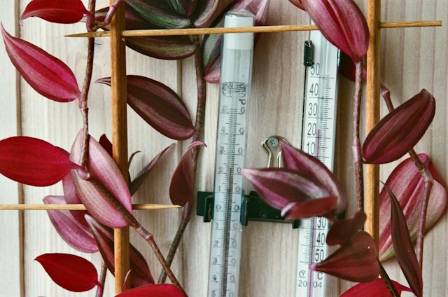
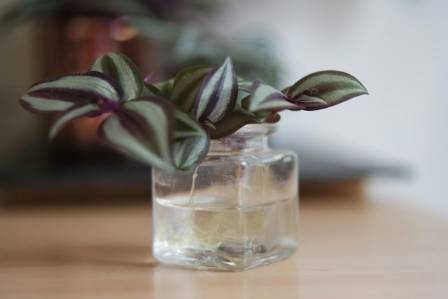
My own plant has grown dramatically. Although it is still growing in the bowl shown previously, it has now reached the point where it would benefit from being moved into a larger container. The other photos show just how much the plant has developed.
Tradescantia is especially enjoyable because it produces flowers as well. New blooms can repeatedly appear along the flower stalks, so avoid cutting those stalks away when taking cuttings for propagation. Propagation is highly recommended because Tradescantia roots very easily in both water and soil.
General Wandering Dude Tradescantia Care Tips
Light
Inch Plant, another name historically used for Wandering Jew and increasingly replaced by the name Wandering Dude, is quite adaptable when it comes to lighting.
When placed in very strong light, the entire plant can develop a purple coloration. Under lower-intensity lighting, the leaves tend to display more of their natural variegation or striping.
I generally keep my Tradescantia in bright, indirect light. This encourages fuller, bushier growth and helps prevent the plant from becoming excessively leggy.
Water
Ordinary tap water works well for this plant. I allow the soil to dry thoroughly between waterings before giving it more moisture.
Because my plant is currently growing in a small bowl without drainage holes, I tend to use water somewhat sparingly. The important thing is to avoid allowing the plant to remain in standing water. As long as the roots are not sitting in a puddle, the plant should remain healthy.
Soil
I use a regular potting mix that drains well and contains perlite. A loose, well-draining growing medium helps prevent excess moisture from remaining around the roots.
Humidity
Tradescantia does well in ordinary household humidity. There is no need to provide unusually high humidity for this plant when it is growing under normal indoor conditions.
Fertilizer
I feed the plant once each month with a general-purpose water-soluble fertilizer formulated at 10-10-10.
Pruning
Regular pruning is useful for encouraging a fuller and more compact plant. Do not hesitate to trim the stems when necessary to promote bushier growth.
The cuttings can simply be placed back into the same pot. They will readily develop roots and continue growing, making it easy to create a thicker, fuller plant.
Toxicity
Tradescantia is listed as toxic to cats and dogs, so it should be kept away from pets that may chew on the plant.
Flower Stalks
The flower stalks are worth paying attention to because they can produce repeated blooms. If you are purchasing a new Tradescantia from a nursery, consider choosing a plant that already has visible flower stalks, as this can indicate that it is ready to flower.
Choosing a Tradescantia
There are many different Tradescantia varieties to explore, and Zebrina is an excellent starting point for anyone interested in the genus.
Tradescantia is also a particularly good introduction to houseplants because it is inexpensive, easy to care for, and offers plenty of opportunities to learn about watering, light, pruning, propagation, and plant growth.
Starting with a small young plant can be especially rewarding because you can watch it develop and gradually create a much fuller specimen.
More on the wire
LOG · en

The Evolution of the SUV and Its Global Dominance
The Sport Utility Vehicle (SUV) stands as a monumental triumph in automotive design, consistently ranking as the most sought-after body style for passengers worldwide. In the United States, these vehicles have transcended simple transportation to become a cultural fixture, with sales surpassing 12 million units in the previous year. To understand the roots and enduring appeal of this segment, especially alongside the introduction of the Polestar 3—a reimagining of the SUV for the electric era—insights from automotive historians provide a window into how these machines conquered the road.
LOG · en

The Heart of the Dining Room: Trends, Elements, and Insights into Table and Chair Designs
Dining rooms have long been spaces where functionality and style intersect, but today’s table and chair designs offer far more than just practicality. This article explores how dining tables and chairs have evolved into design statements, skillfully balancing visual allure and usefulness while shaping the overall dining experience.
LOG · en
Strategies for Selecting the Ideal Indoor Greenery for Your Home
The popularity of indoor gardening has skyrocketed in recent years, evolving from a simple hobby into a significant lifestyle movement. Research indicates that approximately 87% of American households now incorporate live plants into their interior decor. This widespread adoption of "bringing the outdoors in" is driven by more than just aesthetics; it reflects a growing desire to reconnect with nature within our own living spaces. Understanding how to select the right species is essential for anyone looking to establish a thriving indoor sanctuary in Florida.
LOG · en

Twenty One Fascinating Secrets You Should Know About Wild Swallows
These graceful airborne birds belong to a specific avian family named Hirundininae. This biological group also includes all species of martins. There are eighty four recognized species thriving across the globe today. These aerial creatures are completely separate from swifts and do not share any close genetic relationship with them.
LOG · en

Grace on the Water
What Makes a Swan? Swans are among the most graceful of all waterbirds. Known for their long, arched necks and striking plumage, these elegant birds belong to the genus Cygnus. Most are white, though some species stand out with darker tones. The black swan showcases sleek ebony feathers, while the black-necked swan features a bold contrast between its white body and dark head. Interestingly, all swan chicks—called cygnets—begin life dressed in soft shades of gray.
LOG · en

Essential Facts About the Northern Gannet
The Northern Gannet, also known as the Solan or Solan Goose (Sula bassana), is a remarkable avian species inhabiting the Arctic regions, particularly Iceland. These large seabirds typically measure between 80 and 110 centimeters in length and weigh from 2 to 3.5 kilograms. Their geographical range is extensive, spanning the eastern coast of North America down to the Gulf of Mexico, across the Northern Arctic to Western Europe, and reaching the northern shores of Africa. Characterized by white plumage with dark wingtips and a distinctive blue-grey beak, they are currently classified as a species of "Least Concern."