Wire dispatch
Essential Facts About the Northern Gannet
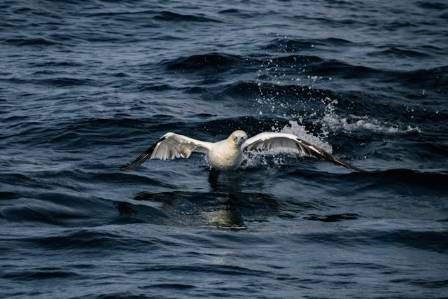
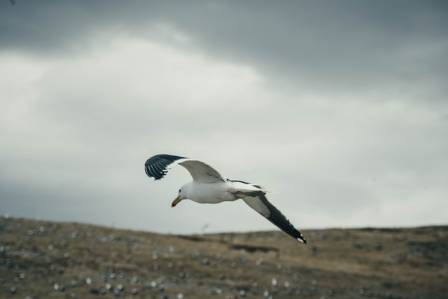
The Northern Gannet, also known as the Solan or Solan Goose (Sula bassana), is a remarkable avian species inhabiting the Arctic regions, particularly Iceland. These large seabirds typically measure between 80 and 110 centimeters in length and weigh from 2 to 3.5 kilograms. Their geographical range is extensive, spanning the eastern coast of North America down to the Gulf of Mexico, across the Northern Arctic to Western Europe, and reaching the northern shores of Africa. Characterized by white plumage with dark wingtips and a distinctive blue-grey beak, they are currently classified as a species of "Least Concern."
Brandon Keaton
Wire note
Signal tip
The full dispatch write-up continues below on the discovery terminal.
Channel
Discovery Wire
The Northern Gannet, also known as the Solan or Solan Goose (Sula bassana), is a remarkable avian species inhabiting the Arctic regions, particularly Iceland. These large seabirds typically measure between 80 and 110 centimeters in length and weigh from 2 to 3.5 kilograms. Their geographical range is extensive, spanning the eastern coast of North America down to the Gulf of Mexico, across the Northern Arctic to Western Europe, and reaching the northern shores of Africa. Characterized by white plumage with dark wingtips and a distinctive blue-grey beak, they are currently classified as a species of "Least Concern."
Feeding Mechanisms and Flight Capabilities
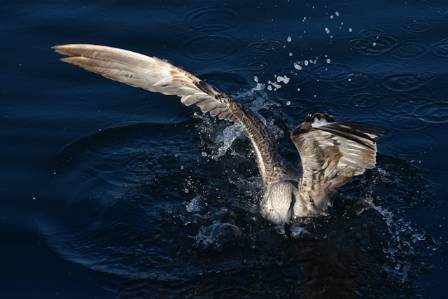
Northern Gannets are famous for their high-speed hunting technique. They dive into the ocean like arrows, reaching velocities of up to 100 kilometers per hour. Their physical structure, including an exceptionally sturdy sternum, is evolved to endure the force of hitting the water. While they usually scan for fish and squid from heights of 10 to 20 meters, they can detect prey from much higher altitudes. During a descent, they utilize their wings as rudders for steering, folding them back just before impact. This momentum can carry them 5 meters deep, and they are capable of swimming an additional 15 meters to catch their meal, which they swallow while still submerged.
Beyond their independent hunting, these birds are social foragers and often trail fishing boats to scavenge from nets. In the air, they are swift travelers, maintaining flight speeds of approximately 65 kilometers per hour. Interestingly, despite their aerial prowess, they are clumsy on land. They find it much easier to launch into flight from the water's surface than from solid ground, a process that requires them to face the wind and flap vigorously to generate lift.
Breeding Traditions and Life Cycle
These birds are deeply tied to their ancestral breeding grounds, with some colonies returning to the same locations for centuries. These nesting sites can be massive, housing tens of thousands of individual nests. The timing of the breeding season varies by geography; for instance, colonies near Scotland begin in January, while those in Iceland wait until March or April. Males typically build the nests using seaweed and debris found in the water, and these structures require constant upkeep throughout the season to combat wind erosion.
The mating process involves a high degree of selectivity and social ritual. Females fly over the colony to choose a partner, while males signal their interest through rhythmic head-shaking. Once a pair is formed, they generally remain monogamous for many years. A single egg is produced and incubated for six to seven weeks. Once the chick hatches, it is fed by the parents for about three months. At the end of this period, the young bird must glide from the nest to the water and begin its independent life. Young gannets start with brown feathers, only acquiring their signature white plumage after about three years.
Population and Longevity
In the wild, Northern Gannets have an impressive lifespan of around 35 years. The current global population is estimated to be between 950,000 and 1.2 million individuals. While they are dominant in their environment, adults are occasionally hunted by large eagles, sharks, or seals. Their eggs and chicks face more frequent threats from terrestrial predators like foxes and ravens, as well as other seabirds like gulls.
Unique Biological Adaptations
The Northern Gannet is the largest representative of the gannet family and possesses several unique biological traits. To stay dry, they produce a water-repellent oil from specialized glands, which they meticulously spread over their feathers using their beaks. To aid in their deep-sea hunting, they have evolved small air pockets beneath their skin that act as buoyancy aids, helping them return to the surface quickly after a dive. Observations have shown that females are particularly discerning hunters, often diving deeper and staying submerged longer than males. Their migratory patterns are equally impressive, with some individuals traveling as far south as Ecuador during the winter months.
More on the wire
LOG · en

Artistic Manual: Creating Picturesque Felt Landscapes
Transforming raw wool into a two-dimensional landscape is an evocative way to "paint with fiber." Known as needle felting or "wool painting," this technique uses specialized needles to interlock fibers onto a flat backing, creating depth, texture, and vibrant color gradients. By following a structured approach—from background to foreground—you can capture the serene beauty of the natural world in a tactile, textile format.
LOG · en
Hosta Plantaginea: A Shade Garden Favorite
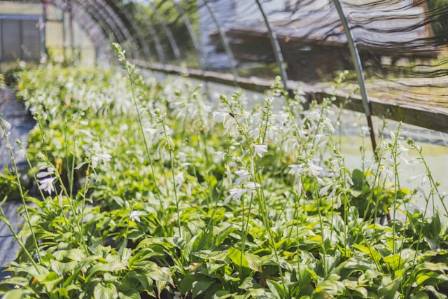
Hosta plantaginea is a perennial flowering plant belonging to the Asparagaceae family and the Hosta genus. It is commonly known by names such as Plantain Lily, Fragrant Hosta, Jade Hairpin, White Crane Flower, and White Jade Lily.
LOG · en
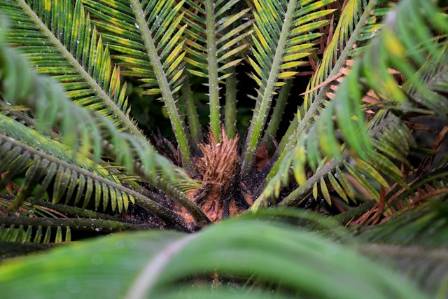
Sago Palm: The Ancient Plant That Isn’t Really a Palm
During a recent trip to the warm, sunny South, I had the opportunity to reacquaint myself with palm-like plants. Like many people from northern regions, my knowledge of palms is fairly limited. One plant, however, has always caught my attention: the Sago Palm. Although its appearance strongly suggests that it belongs to the palm family, it is actually much more closely related to pine trees.
LOG · en

Roses: Timeless Beauty
Few flowers are as admired and cherished as the rose. With its soft petals, delightful fragrance, and timeless appeal, the rose has long been associated with affection, elegance, and romance. Available in a wide range of colors, forms, and varieties, roses add beauty to gardens, homes, and special events around the world. Whether displaying rich red blooms, gentle pink shades, or cheerful yellow blossoms, roses have a unique ability to brighten any environment and create a sense of sophistication.
LOG · en

How Upgrading to an Extra Large Bed Can Revolutionize Your Sleep and Bedroom Decor
Selecting the correct proportions for a sleep surface completely alters both nightly rest and the layout of a bedroom. An extra-large bed offers significant advantages, primarily centered on unparalleled physical comfort. By providing much more width and length than standard double or queen models, it allows couples to shift positions freely throughout the night without waking one another. Minimizing these micro-awakenings directly leads to deeper sleep cycles, which are vital for daily cellular repair, stress reduction, and overall cognitive wellness. Furthermore, the expansive surface area naturally accommodates high-performance mattresses, including specialized memory foam and orthopedic designs that provide targeted anatomical support. This superior structural alignment helps keep the spine in a neutral position, which gradually alleviates chronic back discomfort, reduces morning joint stiffness, and corrects poor posture. The increased space also enhances blood circulation by allowing individuals to fully extend their limbs, resulting in a healthy and therapeutic resting environment that directly contributes to long-term physical wellness.
LOG · en
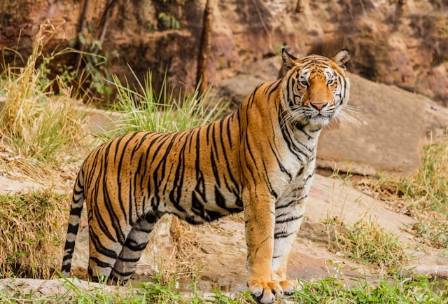
Essential Facts About Tigers: The World’s Largest Cats
Tigers serve as a vital keystone species, exerting a profound influence on the ecosystems they inhabit. As apex predators, they regulate herbivore populations, which helps control the spread of diseases and prevents the degradation of vegetation from overgrazing. Because these cats require expansive territories to survive, efforts to preserve their natural habitats result in the simultaneous protection of countless other wildlife species.