Wire dispatch
Guide to Creating a Realistic Rabbit Portrait with Graphite Pencils
Rabbits are captivating subjects for artists due to their gentle nature, large expressive eyes, and soft, tactile fur. While many beginners feel intimidated by the prospect of rendering realistic animal textures, the process is quite manageable when approached systematically. This guide will walk you through a professional layering strategy that can be applied to almost any furry subject.
Charles Martinez
Wire note
Signal tip
The full dispatch write-up continues below on the discovery terminal.
Channel
Discovery Wire
Rabbits are captivating subjects for artists due to their gentle nature, large expressive eyes, and soft, tactile fur. While many beginners feel intimidated by the prospect of rendering realistic animal textures, the process is quite manageable when approached systematically. This guide will walk you through a professional layering strategy that can be applied to almost any furry subject.
Necessary Art Supplies
To achieve the best results, gather the following materials:
-
Graphite Pencils: A range from H (hard) to 6B (soft) to capture various tones.
-
Black Colored Pencil: For deep, matte shadows and high-contrast details.
-
Blending Tools: A tissue or cotton swab to smooth out transitions.
-
Erasers: A standard eraser for corrections and a precision eraser pencil for highlights.
-
Paper: High-quality sketching paper, preferably with a weight of at least 250 g/m².
The Step-by-Step Drawing Process
Follow these stages to build your drawing from a basic sketch to a lifelike masterpiece.
Establishing the Initial Proportions
Begin by breaking the rabbit’s anatomy down into simple geometric shapes. This prevents the complexity of the animal from becoming overwhelming. Start with a vertical ellipse for the face and add two elongated ellipses for the ears. A horizontal ellipse can represent the cheeks. Use an H or HB pencil with very light pressure so guidelines can be easily removed. A central cross on the face will help you align the features correctly.
Refining the Sketch
Once the basic shapes are in place, begin to define the eyes, nose, and mouth using your construction lines as a map. Transition the stiff ellipses into flowing contours. Notice how the ears aren't perfect ovals but taper toward the top. When you are satisfied with the likeness, erase the original geometric guides to leave a clean, refined outline.
Initial Tonal Layers
Examine your reference photo for medium-grey and dark areas. Using an HB or 2B pencil, fill these sections with a light layer of graphite. Avoid the lightest areas, such as the rims of the eyes or the center of the ears, keeping those regions white for now. This stage acts as a foundation for the deeper values to come.
Deepening the Shadows
Switch to a softer pencil, such as a 4B, to intensify the darkest parts of the portrait. Focus on the pupils (leaving a small white spot for the light reflection), the nostrils, and the depths of the ears. Softer pencils contain more graphite, allowing for a richer, darker finish that gives the drawing weight.
Smoothing and Blending
Use a cotton swab or a piece of tissue to gently rub over the pencil marks. This fills the tooth of the paper and eliminates harsh lines, creating a soft, velvety texture that mimics the undercoat of fur. This step makes the drawing look polished and less like a rough sketch.
Lifting Highlights
Using a precision eraser pencil, "draw" back into the graphite. Refer to your photo to find the brightest spots. You can use the eraser to pull out individual light hairs or to clean up the highlights in the eyes. This creates a sense of three-dimensionality by contrasting the light against the blended mid-tones.
Rendering the Fur Texture
Now, use a dark 4B or 6B pencil to draw individual hairs in layers. The direction of your strokes is vital; always follow the natural growth pattern of the fur. Use short, flicking motions for the head and longer, curved strokes for the body. On the nose, use tiny dots or very short dashes to represent the extremely short hair found there.
Enhancing Contrast
To make the portrait truly stand out, use a black colored pencil on the darkest areas. Graphite can sometimes have a reflective sheen, whereas a black colored pencil is matte and opaque. Applying this to the eyes and mouth adds significant depth and makes the features appear much more realistic.
Final Fine Details
The last step involves adding whiskers and fine textural touches. Use a sharp H pencil for the whiskers, as hard lead maintains a fine point. Draw these with quick, confident strokes that start with firm pressure and taper off at the ends. This ensures the whiskers look thin and natural rather than thick and heavy.
Tips for Success in Animal Illustration
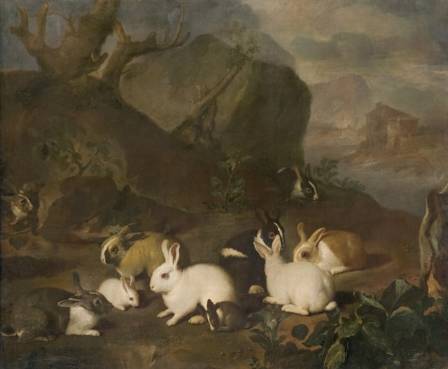
Successful fur rendering is achieved through patience and layering. Rather than trying to draw every hair at once, build up the values from light to dark. Remember that contrast—the difference between the darkest shadows and the brightest highlights—is what makes a drawing look three-dimensional. By using a combination of blending and precise erasing, you can capture the "fluffy" essence that makes rabbits such a popular subject for artists.
Would you like me to suggest a specific lighting setup or reference photo style to help you with your next animal study?
More on the wire
LOG · en
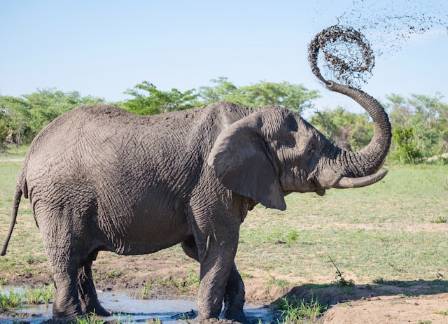
13 Captivating Facts About Elephants
Elephants have the largest brains of any land mammal, which supports their legendary memory. They can remember distant water sources, migration routes, and individual humans or elephants over many years. This knowledge is passed down through matriarchs, helping herds survive in changing environments.
LOG · en

The Five Best Lighthouses of All the Lighthouses
Lighthouses feel almost pure in their purpose—strong, noble structures built to guide and protect. They function as symbols of safety and direction, both literally and in a more symbolic sense. During the late 1600s conflict between France and Britain, French privateers once captured engineer Henry Winstanley while he was working on the first lighthouse at the Eddystone Rocks near Cornwall. King Louis XIV ordered his release, reportedly stating that France was fighting England, not humanity itself.
LOG · en
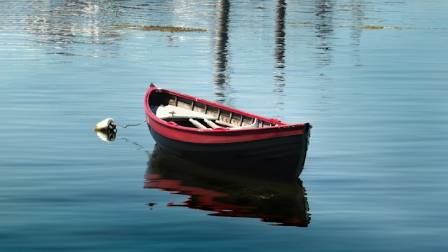
Small Boat, Big Water
People can spend years getting ready for the Great Loop. They look for the perfect boat, customize it to suit their needs, and carefully plan, organize and stock everything they believe they might require before finally leaving the dock.
LOG · en
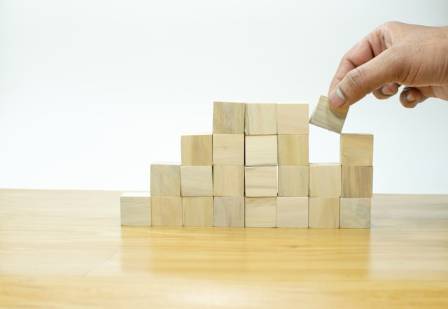
The Benefits of Building Blocks for Child Development
Building blocks have stood the test of time as a beloved staple in children’s toy collections across generations. Far more than just colourful pieces of wood, plastic, or foam, these simple yet infinitely versatile playthings serve as powerful catalysts for holistic child development. From nurturing cognitive prowess and refining physical dexterity to fostering social bonds and igniting creative sparks, block play offers a multifaceted learning experience that unfolds naturally through fun and exploration. In this comprehensive guide, we delve into the myriad ways building blocks contribute to every crucial aspect of a child’s growth journey, highlighting why this timeless toy remains an indispensable tool for parents and educators alike.
LOG · en
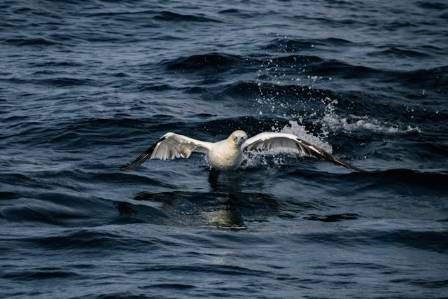
Essential Facts About the Northern Gannet
The Northern Gannet, also known as the Solan or Solan Goose (Sula bassana), is a remarkable avian species inhabiting the Arctic regions, particularly Iceland. These large seabirds typically measure between 80 and 110 centimeters in length and weigh from 2 to 3.5 kilograms. Their geographical range is extensive, spanning the eastern coast of North America down to the Gulf of Mexico, across the Northern Arctic to Western Europe, and reaching the northern shores of Africa. Characterized by white plumage with dark wingtips and a distinctive blue-grey beak, they are currently classified as a species of "Least Concern."
LOG · en

Why a Sunset at Sea Feels Different
You may have watched countless sunsets from the shore, but seeing one from the water creates a completely different feeling. The open horizon makes the view feel endless, the changing colors seem to unfold more gradually, and the peaceful surroundings allow you to fully appreciate the moment.