Introduction: Myth, Mystery, and the Andean Legacy
Alpacas, those fluffy, gentle creatures of the Andes, have captivated humans for millennia—not just for their luxurious fiber, but also for the rich myths and practical value that surround them. According to Peruvian folklore, their origin is intertwined with a tale of love, devotion, and a touch of human frailty: long ago, when gods and mortals walked together, an Andean goddess fell deeply in love with a human. Her father, initially disapproving, granted permission for her to descend to Earth on one condition: she must never abandon her beloved pet alpacas, and her human companion must remain tasked with caring for a tiny, precious alpaca at all times. The couple obeyed at first, but as time passed, the man grew lazy and set the small alpaca down. Panicked, the goddess fled back to the heavens, struggling to take her alpacas with her—yet she could not save them all. The few left behind on Earth became the ancestors of the alpacas we know today, bred and cherished by Peruvian herders for thousands of years. Beyond this enchanting legend lies a wealth of scientific facts that make alpacas one of the most unique and endearing animals on the planet. From their distinct breeds to their complex social lives and surprising adaptations, let’s dive into the fascinating world of alpacas.
Appearance & Identity: Not Just "Small Llamas"
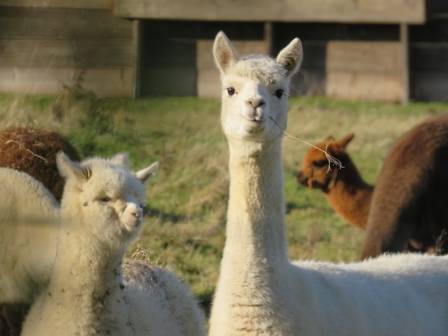
One of the most common misconceptions about alpacas is that they are merely miniature llamas—but these two Andean camelids are distinct species with clear differences. While they share a close genetic relationship (both belong to the genus Vicugna), their appearances set them apart immediately: alpacas have rounder, shorter faces with blunt muzzles, whereas llamas have longer, more angular faces. Their ears are another key identifier—alpacas sport small, pointed ears that resemble tiny spears, while llamas have longer, curved ears shaped like bananas. Size is another striking distinction: llamas can weigh over 400 pounds (181 kg) and stand up to 1.8 meters tall at the shoulder, while alpacas are significantly smaller and bulkier, reaching heights of up to 99 cm (39 inches) and weights of around 140 pounds (63 kg). This compact size makes them easier to herd, even in limited spaces, and contributes to their appeal as livestock and pets. Adding to their uniqueness, alpacas come in two distinct breeds: Suri and Huacaya. Suris boast long, silky fiber that hangs in sleek, parallel locks, cascading down their bodies like liquid silver—this highly prized coat is glossy, soft, and considered the pinnacle of alpaca fiber quality. Huacayas, the more common breed, have shorter, springier fiber that grows perpendicular to their skin, giving them a fluffy, "electrocuted" appearance; while their coat is coarser and less shiny than the Suri’s, it can be refined into warm, valuable yarn ideal for scarves, sweaters, and other textiles.
Social Behavior & Communication: Beyond Hums and Huffs
Alpacas are highly social animals with a complex system of communication that blends body language, vocalizations, and even defensive behaviors. Their social structure is patriarchal, with the strongest, most assertive male leading the herd—this alpha male gets priority access to mating partners and prime grazing spots, and in less protected environments, he also defends the group against predators like foxes and coyotes. Understanding this hierarchy is crucial for anyone raising or training alpacas, as disrupting the social order can lead to stress or aggression. When it comes to communication, body language is key: a male asserting dominance will stiffen his neck, stand sideways to appear larger, and stare down challengers; irritated alpacas stamp their feet, while raised ears signal alarm or curiosity. Vocalizations add another layer to their interactions: the most common sound is a soft, melodic hum, which can be confusing to outsiders because it conveys a range of emotions—happiness, boredom, distress, or even comfort. They also cluck like hens when playful, especially with their young, and emit loud screams or screeches to warn the herd of danger or fend off threats. For more serious confrontations, alpacas rely on spitting—a iconic defense mechanism. Initially, they may spit saliva or air as a warning, but if truly threatened, they will regurgitate stomach contents (including acidic digestive juices and partially digested food) and hurl it up to 10 feet (3 meters) away. This unpleasant projectile is designed to deter predators or rival alpacas, and human handlers should exercise care—rough treatment can trigger a spit attack.
Unique Biology & Reproduction: Adaptations That Defy Convention
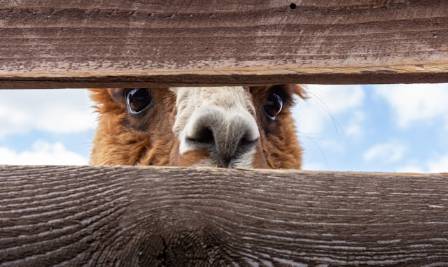
Alpacas possess several biological quirks that set them apart from other livestock. One of the most notable is their reproductive system: female alpacas are "induced ovulators," meaning they only release an egg after mating—unlike most mammals, whose ovulation is triggered by hormonal cycles or the presence of sperm. This unique trait makes artificial insemination largely ineffective for breeding alpacas, as there is no way to predict when an egg will be available. Instead, traditional mating (natural breeding) and embryo transfer have proven far more successful, allowing breeders to maintain healthy herds. Another fascinating biological fact is that alpacas have been fully domesticated for over 5,000 years—so much so that there are no wild alpacas left in existence. This stands in stark contrast to their relatives, llamas and vicunas, which still have wild populations. The domestication process was driven by Andean cultures, who valued alpacas for their fiber, meat, and dung (used as fuel and fertilizer), and over millennia, humans have shaped them into the docile, adaptable animals we know today. Alpacas also have a surprising sensitivity to certain plants: while they are generally hardy grazers, they are fatally allergic to agave, buttercup, buckwheat, bear grass, and orange tree leaves, among others. Ingesting these plants can cause anything from severe gastrointestinal distress to death by poisoning, making it crucial for herders to monitor their grazing areas closely.
Habits & Hygiene: The "Clean Freaks" of the Animal Kingdom
Alpacas are renowned for their exceptional hygiene—a trait that makes them a joy to raise as pets or livestock. They are naturally "potty trained," instinctively choosing to defecate and urinate in communal areas far from their grazing spots and sleeping quarters. This behavior not only keeps their living spaces clean but also helps prevent the spread of diseases through waste, reducing the need for intensive cleaning. They also take great care of their coats and teeth, grooming themselves regularly to avoid matting and dental issues. Beyond their cleanliness, alpacas have several other endearing habits: they are grazers with a unique feeding technique—instead of pulling grass out by the roots (like cows or sheep), they chew from the midpoint of the leaf blade, leaving the root intact. This means they act as "natural lawn mowers," trimming grass neatly without damaging the turf—making them perfect for maintaining backyards, farms, or pastures without the need for machinery. They also have a penchant for chewing on random objects, from plastic bits to rubber tires, though this curious habit is harmless as long as they avoid toxic items. Perhaps most importantly, alpacas are deeply social and cannot thrive in solitude—they can literally die of loneliness if kept alone. They need the company of other alpacas (or at least other animals, like sheep or goats) to stay mentally and physically healthy, as isolation leads to depression, loss of appetite, and increased susceptibility to illness.
Human-Alpaca Bonds: From Livestock to Beloved Pets
Alpacas are far more than just a source of fiber or meat—they make exceptional pets and companions. Their docile, friendly nature means they are safe around children, and they are highly trainable, responding well to positive reinforcement (like treats or verbal praise). Thanks to their natural potty training, they require minimal cleanup, and their small size makes them suitable for properties of all sizes, from rural farms to suburban backyards. While they are generally calm and gentle, alpacas do have a limit—they hate feeling cornered or approached from behind, and if they feel threatened (especially due to improper handling), they can become aggressive, kicking or spitting to defend themselves. Respecting their personal space is key to building a trusting bond. Beyond being pets, alpacas have practical value for humans: their fiber is softer, warmer, and lighter than wool, with hypoallergenic properties that make it ideal for sensitive skin. Their meat is also a nutritious option—high in protein, low in fat, and leaner than beef or pork—though they are rarely bred for meat in most parts of the world, as their fiber is more profitable and sustainable. In their native Andes, alpacas remain a vital part of rural economies, while globally, they have gained popularity as therapy animals, livestock guardians, and even show animals, thanks to their charming personalities and striking appearance.
Adaptability & Global Presence: Thriving Beyond the Andes
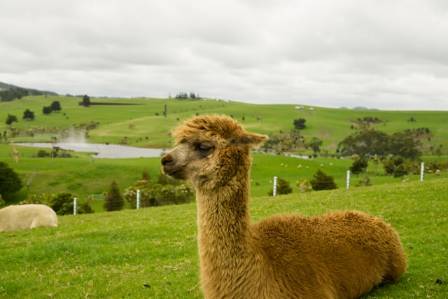
Though alpacas are native to the tropical and high-altitude regions of the Andes (Peru, Bolivia, Ecuador, and Chile), where over 6 million alpacas reside (with Peru accounting for the majority), they are surprisingly adaptable and can thrive in a wide range of climates. From the cold plains of North America to the temperate fields of Europe and Australia, alpacas have been successfully introduced worldwide, as long as they have access to grass, space, and companionship. Their ability to adapt to different environments is due in part to their thick, insulating fiber, which protects them from both cold and heat, and their efficient digestive systems, which allow them to extract nutrients from sparse vegetation. Another factor in their global success is their low maintenance needs: they require minimal shelter (a simple barn or three-sided shed is sufficient), and their grazing habits mean they don’t need expensive feed if pastures are available. Whether in their Andean homeland or adopted countries, alpacas continue to enchant humans with their unique blend of practicality, charm, and mystery—reminding us of their deep connection to human history and their enduring role as one of nature’s most fascinating creations.