Wire dispatch
Desert Pavement: A Unique Wind-Formed Landscape
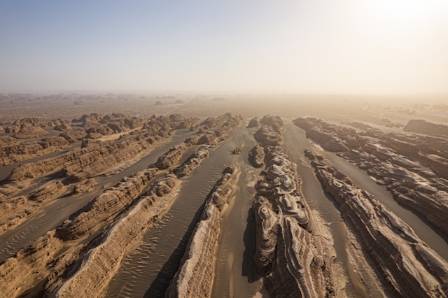
Aeolian landforms are natural features created by the action of wind on the Earth’s surface. These formations result from processes such as erosion, transportation, and the deposition of materials by moving air. Similar wind-related processes have also been observed and studied on other planets.
Isabella Thornfield
Wire note
Signal tip
The full dispatch write-up continues below on the discovery terminal.
Channel
Discovery Wire
What Is a Desert Pavement?
Aeolian landforms are natural features created by the action of wind on the Earth’s surface. These formations result from processes such as erosion, transportation, and the deposition of materials by moving air. Similar wind-related processes have also been observed and studied on other planets.
In areas with little vegetation, wind can easily reshape the landscape by carrying away loose materials and depositing them elsewhere. Aeolian landforms are especially common in dry environments such as deserts, where wind is the dominant force shaping the terrain.
These landscapes develop where wind erosion is the main geological process and where deposits are typically made up of sand, gravel, and small rock fragments. In some remote desert regions, intense erosion creates deflation areas. Desert pavements are one example of these aeolian features, along with other wind-created formations such as blowouts, yardangs, dunes, sand hills, and barchans.
Overview of Desert Pavements
A desert pavement is a thin, sheet-like layer of closely packed stones and rock fragments that remains after wind or water removes finer materials such as dust, sand, and loose sediment.
The surface is usually covered with rounded pebbles and small rocks tightly arranged together, with silt filling the spaces between them. These areas typically contain little or no vegetation because of the dry conditions and exposed rocky surface.
Desert pavements occur in many desert regions around the world and are known by different names depending on location. In Australia, they are called “gibber,” while in parts of North Africa they are known as “reg.” Other terms include “sai” and “serir.”
Once formed, a desert pavement acts like a protective layer over the ground. The tightly packed stones reduce the effects of wind and water erosion, helping preserve the older soils and rock surfaces beneath them.
Many desert pavements also have a coating known as desert varnish. This thin surface layer creates a dark brown or glossy appearance and contains minerals, including clay materials, that accumulate over long periods.
How Desert Pavements Form
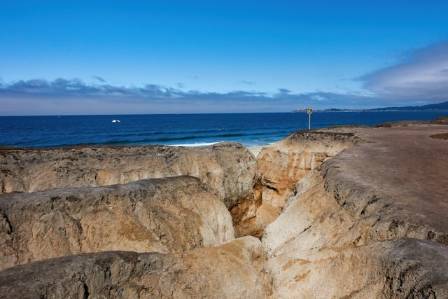
Because desert pavement formation occurs extremely slowly, scientists have developed several theories to explain how these unique surfaces develop. Research from different desert locations has produced age estimates ranging from thousands to tens of thousands of years.
Although the exact process varies by location, most explanations involve the combined effects of wind, water erosion, weathering, and surface movement.
One widely accepted theory suggests that desert pavements form as wind and occasional rainfall gradually remove smaller particles, including sand and dust, leaving behind larger stones and gravel. Over time, these heavier fragments are rearranged by natural forces such as wind, rain, gravity, and animal activity until they create a tightly packed surface layer.
After the pavement develops, the remaining stones act as a protective barrier, reducing further erosion and preventing additional removal of fine materials.
Formation Through Clay Expansion and Contraction
Another explanation focuses on the behavior of clay beneath the surface. In this process, repeated cycles of wetting and drying cause clay layers to expand and shrink.
When clay absorbs water, it expands, and when it dries, it contracts and develops cracks along weaker areas. Larger stones on the surface are too large to fall into these cracks, while smaller particles move downward and fill the openings.
Over long periods, this process rearranges the surface materials and creates a stable layer of closely packed stones that forms a desert pavement.
Formation in Volcanic Landscapes
A third theory comes from studies of the Cima Volcanic Field, where desert pavements developed under different geological conditions.
In this area, the process begins with a surface layer of volcanic material that becomes exposed to weathering. Extreme temperature changes cause rocks on the surface to crack and break apart.
Fine sediment, such as silt, then moves into the spaces between the rock fragments and continues downward beneath the surface layer. As the sediment accumulates, it pushes the upper layer upward and creates a hardened, less permeable surface that protects the soil below from erosion.
Threats Facing Desert Pavements
Although desert pavements are durable natural formations, they are vulnerable to damage caused by human activity. Uncontrolled vehicle use, off-road driving, and improper road construction can disturb these fragile surfaces.
Because desert pavements develop over thousands of years, damaged areas recover extremely slowly and may never fully return to their original condition. Protecting these landscapes requires careful management and responsible use of desert environments.
More on the wire
LOG · en

London: The Hidden Struggles Behind the Glamour
Beneath its gleaming façade of historic landmarks and cosmopolitan energy, London harbors a reality rarely seen in tourist brochures. The daily grind in this global metropolis presents a stark contrast to its glamorous reputation, with residents navigating a maze of challenges that define urban life. From financial pressures to social divides, this is an honest exploration of what it truly means to live in the capital.
LOG · en

Understanding the Blue Jellyfish: A Guide to Its Anatomy and Life Cycle
A vibrant electric blue form floating near the shore is frequently a blue jellyfish, a striking invertebrate common to the North Atlantic. While their name suggests otherwise, these organisms are not fish; they are a type of plankton that drifts with the waves and wind.
LOG · en

The Ripple Effect: How Human Energy Shapes Your World
In a world pulsating with human energy, have you ever stopped to consider whose vibes you're catching? The fascinating interplay of human energies becomes all the more evident in times like the lockdown, where we find ourselves in close quarters with others, perhaps more susceptible to their vibes than ever before.
LOG · en
Exploring Seattle Southside: The Top 5 Biking Trails to Discover
Seattle Southside is a hidden gem for biking enthusiasts, offering a variety of trails that meander through vibrant urban environments and stunning natural landscapes. Whether you're looking for a leisurely ride or an invigorating workout, these trails have something for everyone. Here’s a curated list of the top five biking trails in Seattle Southside that you won’t want to miss.
LOG · en
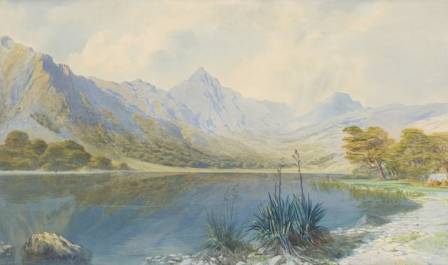
Comprehensive Guide to Illustrating and Coloring Natural Landscapes
The foundation of a successful landscape begins with thorough research. Before putting pen to paper or stylus to tablet, gather various reference images to better understand your subject. These visuals will assist you in establishing a cohesive color palette, defining complex shapes, managing perspective, and adding realistic details. If you find yourself stuck at the beginning of the process, studying photographs can spark new ideas. For some artists, starting with a physical sketch on paper allows for more fluid lines and organic shapes. You can simply photograph your paper sketch and import it into your digital software to use as a blueprint, or you can begin directly in your digital application.
LOG · en
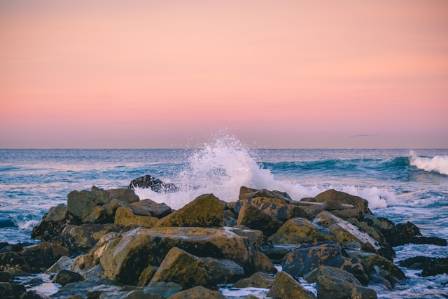
7 Best West Coast Beaches to Watch the Sunset
Sunset is one of the most enchanting moments of the day, rivaled only by sunrise, as the sky transforms into a canvas of vivid hues. What makes sunsets truly captivating is their uniqueness—no two are ever alike. Along the West Coast, there are countless places to witness breathtaking sunsets, but we've curated a selection of the finest spots along the cool and scenic Pacific Ocean. So, grab your camera, put on your sunglasses, and don’t forget a jacket as you set out to experience these stunning sunset views.