Wire dispatch
The best wetlands in the world
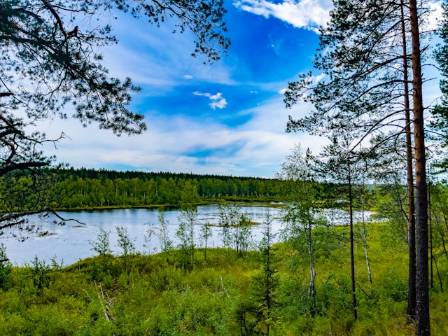
Wetlands are found across nearly every part of the world (with the exception of Antarctica) and are widely regarded as some of the most biologically rich ecosystems on the planet. They support an extraordinary range of aquatic and terrestrial life and serve as crucial stopover points for migratory birds.
Selene Blair
Wire note
Signal tip
The full dispatch write-up continues below on the discovery terminal.
Channel
Discovery Wire
Wetlands are found across nearly every part of the world (with the exception of Antarctica) and are widely regarded as some of the most biologically rich ecosystems on the planet. They support an extraordinary range of aquatic and terrestrial life and serve as crucial stopover points for migratory birds.
These environments include swamps, marshes, bogs, and estuaries, each with its own ecological character. Below are some of the most remarkable wetland regions on Earth.
Okavango Delta (Botswana)
Spanning roughly 16,000 km², the Okavango Delta is one of Africa’s greatest inland water systems and a spectacular natural oasis. It forms where the Okavango River spreads into the sands of the Kalahari Desert, with most of the water disappearing through evaporation rather than reaching the ocean.
This lush wetland supports dense reed beds, shaded waterways, and an impressive concentration of wildlife. Animals commonly seen include elephants, hippos, giraffes, zebras, lions, cheetahs, rhinos, and wildebeest. Many species migrate seasonally, making the period between July and October especially rewarding for visitors.
Exploring by traditional mokoro canoe offers an intimate way to navigate the maze of channels, while guided safaris provide opportunities to observe wildlife up close across open floodplains.
Pantanal (Brazil, Bolivia & Paraguay)
The Pantanal is the largest tropical wetland on Earth and one of the best preserved freshwater ecosystems in existence. Covering about 230,000 km², it spans parts of Brazil, Bolivia, and Paraguay and consists of marshes, seasonal floodplains, lagoons, and interconnected waterways.
Unlike many dense rainforest regions, the Pantanal offers excellent visibility for wildlife observation. It supports hundreds of bird species, dozens of mammals and reptiles, and thousands of insect species. Large populations of capybaras and caimans are common, and the region is one of the best places in the Americas to see jaguars in the wild, particularly during the dry season (May–October).
Danube Delta (Romania)
Where the Danube River meets the Black Sea, it forms one of Europe’s most extensive and well-preserved delta systems. The Danube Delta is a labyrinth of reed beds, lakes, channels, and marshes, forming one of the richest wetland habitats on the continent.
It hosts more than 300 bird species and dozens of fish species, making it a major destination for birdwatching. The best way to explore is by boat, departing from the town of Tulcea, which serves as the main gateway to the region. Spring and autumn offer particularly rewarding wildlife viewing conditions.
Kafue Flats (Zambia)
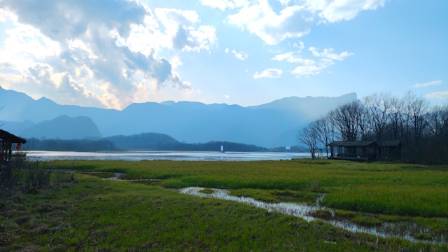
The Kafue Flats cover around 6,500 km² and form part of Zambia’s Kafue National Park. This wetland system includes floodplains, marshes, lagoons, grasslands, and seasonal swamps that transform dramatically between wet and dry seasons.
The region is vital for biodiversity, fishing, agriculture, grazing, and hydroelectric power generation. It is especially known for the endemic Kafue lechwe, an antelope adapted to swampy conditions. Other wildlife includes hippos, buffalo, zebra, wildebeest, and various antelope species. However, human activity and dam construction have impacted wildlife populations over time.
The Sudd (South Sudan)
The Sudd is one of the largest wetlands in the world, formed by the White Nile as it spreads into vast swamp systems in South Sudan. Depending on the season, its size can range from about 30,000 km² to over 130,000 km².
This enormous floodplain is a complex network of channels, reed beds, lagoons, and papyrus swamps. It also supports rural communities such as the Dinka, Nuer, and Shilluk, who rely on livestock and seasonal agriculture. The wetlands provide essential grazing land and natural resources that sustain traditional ways of life.
Sundarbans (Bangladesh & India)
The Sundarbans form the world’s largest mangrove forest, covering roughly 10,000 km² across Bangladesh and the Indian state of West Bengal. Roughly a quarter of the region is water, creating a dense network of tidal waterways and forested islands.
This unique ecosystem is home to a rich diversity of wildlife, including the largest population of Bengal tigers on Earth. These tigers are adapted to swimming between mangrove islands while hunting deer and wild boar. The region also supports a wide variety of birds, especially migratory species that arrive in winter.
WWT Caerlaverock (Scotland, UK)
Located in Dumfries and Galloway, Caerlaverock is one of Scotland’s most important wetland reserves. It is internationally recognized for its bird populations and seasonal migrations.
In summer, it hosts ospreys that migrate from West Africa, while winter brings tens of thousands of barnacle geese returning from Svalbard. The reserve is a key site for wildlife observation and outdoor exploration, offering changing seasonal experiences throughout the year.
Kopački Rit (Croatia)
Situated at the confluence of the Drava and Danube rivers, Kopački Rit is one of Europe’s most significant wetlands. It supports around 140 nesting bird species and over 280 recorded bird species in total.
The area includes herons, egrets, kingfishers, storks, and rare species such as the ferruginous duck and white-tailed eagle. Seasonal migrations bring vast flocks of birds, making spring and autumn the best times for visits, though summer also offers rich biodiversity.
Mesopotamian Marshes (Iraq)
Located in southern Iraq, with extensions into Iran and Kuwait, the Mesopotamian Marshes are often associated with ancient history and early civilizations. Once severely damaged in the 1990s due to drainage projects, the wetlands have been gradually recovering through restoration efforts.
Fed by the Tigris and Euphrates rivers, these marshes are among the largest wetland systems in the Middle East. They support reed-based communities, traditional fishing, and buffalo herding. In 2013, they became Iraq’s first national park, and in 2016 they were designated a UNESCO World Heritage Site.
Marais Poitevin (France)
The Marais Poitevin is France’s second-largest wetland after the Camargue and is often divided into coastal, dry marsh, and wet marsh zones. The most famous area, known as “Green Venice,” is a network of canals, waterways, and forested paths.
Visitors can explore by small boats or bicycles, moving through quiet green corridors lined with trees and traditional villages. The coastal areas offer beaches, while inland marshlands provide a peaceful contrast to urban life.
More on the wire
LOG · en

Top 5 of the Most expensive VW Beetles
When the unassuming Volkswagen Beetle first made its way to Canada, it debuted with an accessible price tag: less than 1,600 US dollars for a brand-new model. Today, the iconic “Bug” has shattered auction records, with a Beetle customized to resemble the famous movie car Herbie selling for a staggering USD 212,500. That’s what you call an extraordinary return on investment.
LOG · en
Flamingos' Sun-Fighting Beauty Routine: Keeping the Pink Alive
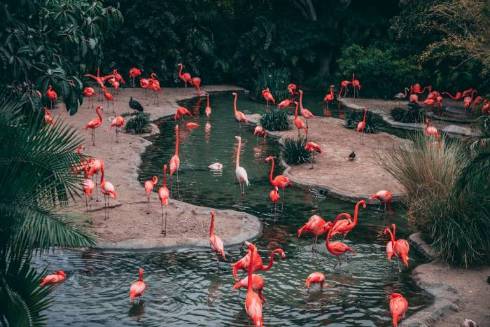
Greater flamingos aren't interested in sporting sun-faded neck feathers. In fact, they have a unique way of maintaining their vibrant pink plumage, which scientists have recently unveiled. These leggy birds, scientifically known as Phoenicopterus roseus, utilize a serum secreted by glands near their tails to both enhance and safeguard their feathery hues against the sun's bleaching effect. It's not just about looking pretty; flamingos' feathers play critical roles in flying, staying dry, and attracting mates.
LOG · en
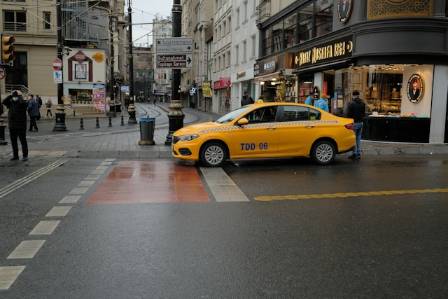
6 Reasons Why Taxis Are Yellow in So Many Countries Around the World
If you’ve ever wondered why so many taxis share the same bright yellow shade, you’re not alone. What might seem like a random choice is actually rooted in science, history, and clever marketing. From New York City to countless capitals worldwide, the yellow cab has become an unmistakable urban symbol. Here are six reasons behind this iconic color.
LOG · en
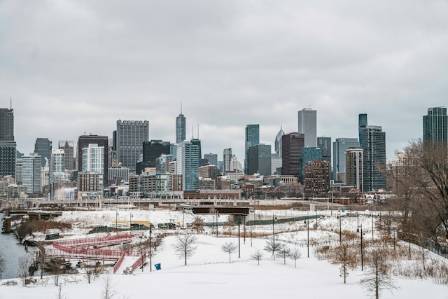
Winter Wonderland: the dreamiest winter landscapes in the world
There is a noticeable coolness in the air, the morning sunlight feels sharper, and temperatures are beginning to fall. Winter is just around the corner.
LOG · en

How to create a cosy book nook at home
“If your home has room for a reading nook, take advantage of it. If there isn’t an obvious place for one, make the opportunity yourself,” suggests Soho Home Lead Designer Jessica Sims-Wilson, who works with the Soho Home Design service.
LOG · en
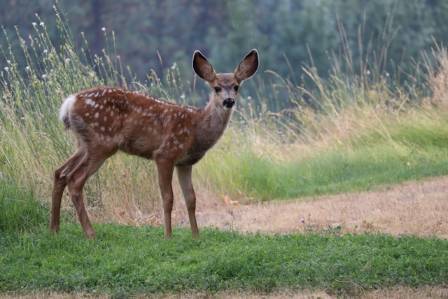
Cool Things You Should Know About Deer
Although the white-tailed deer is a familiar animal across many parts of the United States, there are still many surprising things about these graceful creatures that you may not know.