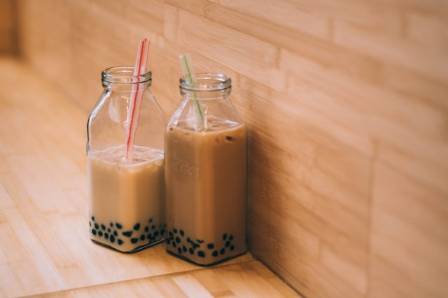
Introduction: The Global Phenomenon of Bubble Tea—Delight or Guilt?
Bubble tea, also known as boba tea, has transcended its Taiwanese origins to become a global cultural staple, captivating taste buds with its vibrant colors, creamy textures, and chewy tapioca pearls. From bustling urban cafés to convenience store fridges, this beloved drink caters to diverse palates—whether you prefer classic milk tea, fruity slushies, or innovative fusion flavors like taro or matcha. Yet, as its popularity soars, a pressing question lingers: Is bubble tea a harmless indulgence or a hidden culprit behind health concerns? Beyond its playful appearance lies a complex nutritional profile, shaped by ingredients like sweetened syrups, dairy or plant-based milks, and various toppings. In this comprehensive guide, we’ll delve into the science behind bubble tea’s nutrition, separate fact from fiction about its health impacts, and share actionable tips to enjoy it without compromising your well-being. Whether you’re a casual sipper or a die-hard boba fan, understanding the nuances of this drink will help you make informed choices that align with your lifestyle and health goals.
Bubble Tea 101: What Exactly Is in Your Cup?
Before judging its healthfulness, it’s essential to break down bubble tea’s core components, as each ingredient contributes to its nutritional profile. A typical bubble tea consists of three key elements: a tea base (black, green, oolong, or herbal), a liquid base (dairy milk, non-dairy milk, or fruit juice), sweeteners (syrups, honey, or condensed milk), and toppings (tapioca pearls, fruit jelly, grass jelly, or popping boba). The nutritional content varies drastically based on how these components are combined—for example, a full-sugar milk tea with tapioca pearls will differ vastly from a sugar-free fruit tea with aloe vera toppings. A standard 16 oz (medium) cup of traditional bubble tea contains 300–500 calories, 30–50 grams of sugar, 50–80 grams of carbohydrates, 3–15 grams of fat, 2–5 grams of protein, and 50–100 milligrams of caffeine. To put this in perspective: the sugar content alone often exceeds the World Health Organization’s (WHO) daily recommendation (25 grams for women, 36 grams for men), while the calorie count rivals a small meal (e.g., a cup of yogurt with granola). The tea base provides caffeine—roughly equivalent to a half-cup of coffee or a can of soda—while toppings like tapioca pearls add empty carbohydrates without significant fiber, protein, or vitamins. Understanding these building blocks is the first step toward evaluating whether bubble tea fits into a healthy diet.
Nutritional Deep Dive: Breaking Down Key Components
To truly grasp bubble tea’s health impact, let’s examine its nutritional components in detail. Sugar is the most controversial ingredient: most bubble teas rely on refined syrups (e.g., fructose corn syrup, cane sugar syrup) to achieve their sweet taste, and even “fruit-based” options often contain added sugars to balance tartness. Tapioca pearls, made from cassava starch, are another major contributor to carbohydrates—each serving can add 20–30 grams of carbs, with little to no fiber to slow digestion. This combination of high sugar and fast-digesting carbs can cause blood sugar spikes, leaving you feeling energized temporarily before a crash. The fat content typically comes from dairy milk, condensed milk, or non-dairy creamers—some of which contain hydrogenated oils (trans fats) linked to heart disease. On the flip side, the tea base offers redeeming qualities: black, green, and oolong teas are rich in polyphenols, catechins, and flavonoids—antioxidants that combat inflammation and oxidative stress. Caffeine, while present, is generally lower than in coffee (a 16 oz coffee has 150–200 mg of caffeine), making bubble tea a milder pick-me-up for most people. However, for those sensitive to caffeine or consuming it later in the day, even 50–100 mg can disrupt sleep. The overall takeaway? Bubble tea’s nutrition is a double-edged sword—its healthfulness hinges on ingredient choices and portion control.
Health Benefits of Bubble Tea: Surprising Upsides
Despite its reputation as a sugary treat, bubble tea can offer modest health benefits when crafted with thoughtful ingredients. First and foremost, the tea base is a nutritional powerhouse: green tea, in particular, is loaded with epigallocatechin gallate (EGCG), a catechin linked to reduced risk of heart disease, improved metabolic rate, and even potential cancer-fighting properties. Black tea contains theaflavins and thearubigins, antioxidants that support cardiovascular health by lowering LDL (“bad”) cholesterol. Oolong tea, a semi-oxidized variety, strikes a balance between green and black tea, offering both EGCG and theaflavins, and may aid in weight management by boosting fat oxidation. Herbal teas like chamomile, peppermint, or hibiscus—common in fruit-based bubble teas—provide caffeine-free alternatives with their own benefits: chamomile soothes anxiety, peppermint aids digestion, and hibiscus supports healthy blood pressure. Additionally, bubble tea can be adapted to dietary needs: choosing plant-based milks (almond, oat, coconut, or soy) makes it lactose-free, catering to those with dairy intolerances or vegan diets. Many cafes now offer low-sugar or sugar-free options, using natural sweeteners like stevia or monk fruit, which reduce calorie intake without spiking blood sugar. When consumed in moderation and with nutrient-dense add-ons (e.g., chia seeds, fresh fruit), bubble tea can be more than just a guilty pleasure—it can be a way to incorporate beneficial antioxidants into your day.
Health Risks of Bubble Tea: The Hidden Downsides
While bubble tea has its merits, its potential health risks—primarily stemming from high sugar, empty calories, and artificial additives—cannot be ignored. The most pressing concern is excessive sugar intake: a single medium cup can contain 30–50 grams of sugar, which is 120–200% of the WHO’s daily limit for women. Regular consumption of added sugars is linked to a host of issues, including insulin resistance (a precursor to type 2 diabetes), obesity, metabolic syndrome, and an increased risk of cardiovascular diseases like hypertension and stroke. The sugar in bubble tea doesn’t just come from syrups—tapioca pearls themselves are often boiled in sugar water to enhance their sweetness and chewy texture, adding an extra layer of hidden sugar. Another risk lies in the toppings: tapioca pearls are high in carbohydrates but low in fiber, making them difficult to digest for some people, especially those with sensitive guts. Excessive consumption can lead to bloating, constipation, or abdominal discomfort, as the starch ferments in the colon. Artificial additives are another red flag: many flavored syrups, non-dairy creamers, and even some tapioca pearls contain hydrogenated oils, artificial flavors, colors, and preservatives (e.g., sodium benzoate). These chemicals may have long-term health impacts, such as disrupting gut microbiomes or contributing to inflammation. Finally, the high calorie content of bubble tea—without the protein, fiber, or nutrients to promote satiety—can lead to weight gain over time, especially if consumed regularly without adjusting overall diet or activity levels. For example, drinking one medium bubble tea per day (400 calories) without reducing other calories could lead to a weight gain of over 40 pounds in a year.
Why Does Bubble Tea Cause Stomach Pain? Common Culprits
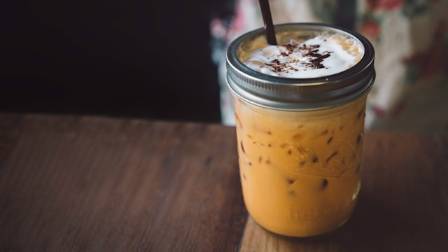
Many bubble tea lovers have experienced post-sip stomach pain, and the reasons often boil down to three key ingredients: dairy, tapioca pearls, and caffeine. Lactose intolerance is a major factor: traditional bubble tea uses cow’s milk or creamers, which contain lactose—a sugar that 65% of the global population cannot digest properly. For those with lactose intolerance, undigested lactose ferments in the gut, causing bloating, cramps, diarrhea, or gas. Tapioca pearls, made from cassava starch, are another culprit: their lack of fiber means they move slowly through the digestive tract, leading to constipation or bloating, especially when consumed in large quantities. The starch in tapioca can also form a gel-like substance in the stomach, which may feel heavy or uncomfortable for some. Caffeine sensitivity is the third common cause: bubble tea’s caffeine content (50–100 mg per serving) can irritate the stomach lining, triggering acid reflux, heartburn, or nausea in those with gastritis or acid reflux disease. Additionally, some herbal teas used in bubble tea (e.g., peppermint) can relax the lower esophageal sphincter, worsening acid reflux in susceptible individuals. The good news is that these issues are often avoidable with simple swaps—choosing plant-based milk, limiting tapioca pearls, or opting for caffeine-free herbal teas can help you enjoy bubble tea without the stomachache.
Can Bubble Tea Kill You? The Truth About Extreme Consumption
While bubble tea is not inherently dangerous, extreme or reckless consumption can lead to serious health consequences—though fatal cases are extremely rare. The most well-documented risk is choking, particularly in children or individuals who drink too quickly: tapioca pearls are small, slippery, and can easily get stuck in the throat if not chewed properly. In 2019, a 14-year-old in China was hospitalized after consuming large amounts of bubble tea, leading to a blockage in her digestive tract from undigested tapioca pearls. While this case was unusual, it highlights the importance of moderation and proper chewing. Long-term, excessive consumption of bubble tea can contribute to life-threatening conditions indirectly: chronic high sugar intake increases the risk of type 2 diabetes, which can lead to complications like kidney failure, heart attack, or stroke. Obesity, linked to regular consumption of high-calorie, low-nutrient bubble tea, is a risk factor for numerous chronic diseases, including certain cancers. Artificial additives and preservatives, when consumed in large quantities over time, may also have cumulative toxic effects, though research on their long-term impacts is ongoing. It’s important to emphasize that these risks are associated with excessive consumption—enjoying bubble tea occasionally is unlikely to cause harm. The key is to be mindful of portion sizes and ingredient choices to avoid overloading your body with sugar, empty calories, or potentially harmful additives.
How to Make Bubble Tea Healthier: Smart Swaps and Tips
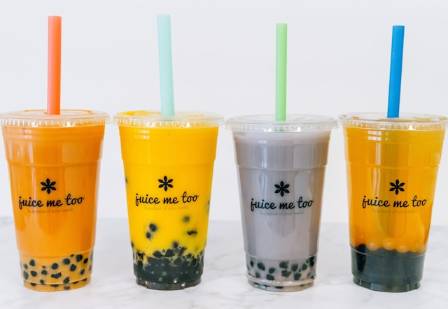
You don’t have to give up bubble tea to maintain a healthy diet—you just need to make smarter choices. Start with the sweetener: instead of full sugar, opt for 25% or 50% sugar, or choose sugar-free options sweetened with stevia, monk fruit, or honey (in moderation). Avoid refined syrups and ask for natural sweeteners like fresh fruit puree (e.g., mango, strawberry) to add flavor without added sugars. Next, swap the liquid base: replace dairy milk or creamers with plant-based alternatives like oat milk (creamy and fiber-rich), almond milk (low-calorie), or coconut milk (naturally sweet and rich in healthy fats). These options are lactose-free, lower in saturated fat, and often contain added nutrients like calcium or vitamin D. For toppings, skip traditional tapioca pearls (high in carbs, low in nutrients) and choose healthier alternatives: fruit jelly (made from real fruit, high in vitamin C), chia seeds (packed with omega-3s and fiber), aloe vera (soothing for the gut), or popping boba made from fruit juice (lower in sugar than tapioca). The tea base is another area to optimize: choose green tea, oolong tea, or black tea for their antioxidant benefits, and avoid powdered mixes (which often contain added sugars and artificial flavors) in favor of freshly brewed tea. A perfect healthy combo: freshly brewed green tea + unsweetened oat milk + 25% sugar (or stevia) + fruit jelly topping. Finally, watch your portion size—opt for a small (12 oz) cup instead of a medium or large, and limit your consumption to 1–2 times per week.