Wire dispatch
A Bird Worth Getting to Know
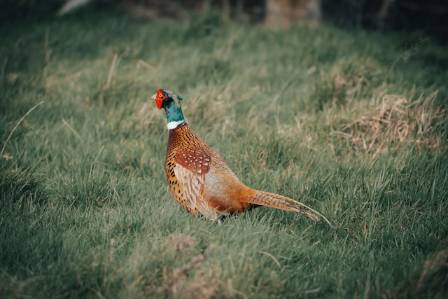
When people think about animals considered vulnerable, familiar examples might include the magnificent Amur tiger or the powerful Indian rhinoceros. Both species continue to survive in part because of conservation work carried out by organizations such as the Wildlife Conservation Society. Protecting natural habitat is essential for the survival of threatened wildlife, including lesser-known but equally remarkable species such as Swinhoe’s pheasant (Lophura swinholi), a bird that deserves greater attention.
Alric Fallon
Wire note
Signal tip
The full dispatch write-up continues below on the discovery terminal.
Channel
Discovery Wire
When people think about animals considered vulnerable, familiar examples might include the magnificent Amur tiger or the powerful Indian rhinoceros. Both species continue to survive in part because of conservation work carried out by organizations such as the Wildlife Conservation Society. Protecting natural habitat is essential for the survival of threatened wildlife, including lesser-known but equally remarkable species such as Swinhoe’s pheasant (Lophura swinholi), a bird that deserves greater attention.
A Strikingly Beautiful Pheasant
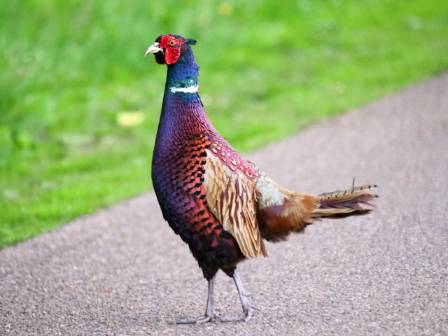
Male Swinhoe’s pheasants are especially impressive because of their rich, deep-blue plumage. Their dark coloration is contrasted by brilliant white crests, markings across the back, and long white tail feathers. Bright red wattles around their attractive faces add another vivid feature to their appearance.
Females have a very different look that is closely connected to their role as nesters. Their bodies are covered in mottled brown feathers that provide effective camouflage while they sit on their eggs. Dark reddish skin surrounding the eyes gives the females a distinctive masked appearance.
A Species With a Limited Range
Swinhoe’s pheasants occupy a relatively restricted geographic range. They are native exclusively to the mountainous areas of central Taiwan. Historically, their numbers declined as a result of hunting and the loss of suitable habitat.
The creation of protected reserves and national parks played an important role in improving the species’ conservation situation. These efforts helped Swinhoe’s pheasant move from vulnerable status toward near-threatened status.
According to the IUCN Red List of Threatened Species, more than 3,000 mature individuals were estimated to remain as of August 2019. Despite this improvement, the wild population continues to face pressure from activities such as hunting and logging outside protected conservation areas.
How Can We Help Protect Their Habitat?
One practical way to help reduce the impact of logging-related deforestation is to make thoughtful choices when purchasing wood products. Consumers can look for products carrying the Forest Stewardship Council, or FSC, certification.
Another option is to choose secondhand, reclaimed, or salvaged furniture and lumber whenever possible. Protecting forests and other natural habitats is one of the most effective ways to support wildlife and help ensure that species such as Swinhoe’s pheasant continue to have a place in the wild.
Ultimately, stronger habitat protection can help create a future where hearing the word “vulnerable” no longer immediately brings a threatened animal to mind.
More on the wire
LOG · en
The Striped-Tailed Survivors with a Wild Side
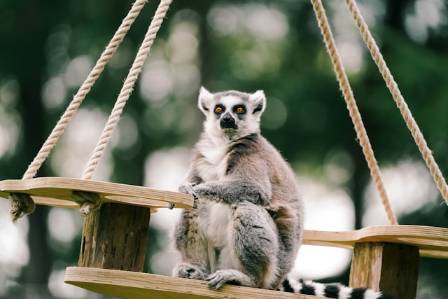
Ring-tailed lemurs have a distinct breeding period that generally takes place during spring, from September through November. When females are ready to mate, their genital area becomes swollen, providing a visible indication of reproductive receptivity. Males compete for opportunities to mate with receptive females through vocal displays and, at times, confrontations with other males.
LOG · en

The Beach Chalet - A Coastal Log Home On The Ocean
This rustic log house has the inviting character of a chalet while combining comfort with stylish design. The entire space has been furnished and styled by an interior designer, giving the home a polished yet wonderfully relaxed feel.
LOG · en

Artistic Manual: Creating Picturesque Felt Landscapes
Transforming raw wool into a two-dimensional landscape is an evocative way to "paint with fiber." Known as needle felting or "wool painting," this technique uses specialized needles to interlock fibers onto a flat backing, creating depth, texture, and vibrant color gradients. By following a structured approach—from background to foreground—you can capture the serene beauty of the natural world in a tactile, textile format.
LOG · en
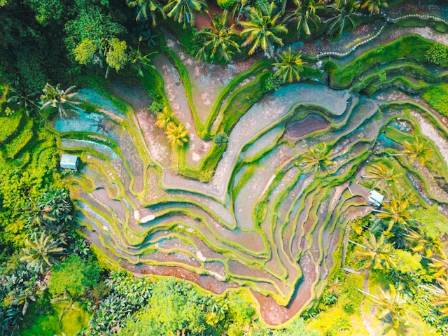
Top 7 Most Beautiful Terraced Fields in the World
Terraced fields, where crops are grown on steep mountain slopes, are some of the most breathtaking agricultural landscapes in the world. These fields are not only marvels of farming ingenuity but also stunning examples of harmony between human activity and nature. From lush rice paddies to sprawling vineyards, here are seven of the most beautiful terraced fields globally.
LOG · en

Easy Sand Art for Beginners
Have you ever wanted to make something eye-catching and original without dealing with complicated art tools? Sand art could be exactly what you're looking for. It’s an enjoyable and imaginative activity that lets you turn a plain surface into something special using simple materials. Even if you’ve never painted before, you can still create impressive results with a bit of practice. This beginner-friendly guide will walk you through making your own sand art using sand and acrylic paint on canvas.
LOG · en

The Most Enigmatic Torch: Reframing the Statue of Liberty
Since its dedication, the Statue of Liberty has stood as more than a colossal sculpture. It has become a symbol of the friction between national independence and universal human rights, a beacon that sparks debate about who belongs and who is welcomed. This essay revisits the monument’s birth, its inaugural moment in New York, and the layered meanings that have energized public memory for well over a century.