
Wire dispatch
The Ever-Turning Wheel: Key Bike Trends for 2026
The bicycle is undergoing its most significant transformation since the invention of the safety frame. In 2026, the industry is mastering a delicate balancing act: integrating cutting-edge technology while preserving the pure, analogue joy of riding. It’s a landscape defined by electrification, intelligent connectivity, and a renewed obsession with clean aesthetics and practical utility. Here is an in-depth look at the trends steering the future of cycling.
Winnie Davis
Wire note
Signal tip
The full dispatch write-up continues below on the discovery terminal.
Channel
Discovery Wire
1. The Electric Mainstream: Beyond the Early Adopters
-
Performance Meets Practicality: The market has fragmented into highly specialized segments. On one end, we see ultra-sporty off-road machines like the Specialized Turbo Levo 4 Alloy, which brings mountain biking to a new demographic. On the other, commuter city bikes are becoming the default choice for daily transport, shedding their "senior citizen" image to become sleek, urban mobility tools.
-
The Cargo Wave: Perhaps the most visible change is the explosion of the electric cargo bike. In dense urban centers, the struggle for parking spaces and the high cost of car ownership are making multi-child or commercial cargo bikes like the Riese & Müller Multitinker2 Touring 2026 a logical, eco-friendly alternative to the family car. They are replacing school runs and delivery vans, fundamentally altering city logistics.
2. The Silent Revolution: Belt Drives Take Center Stage
-
The Practical Advantages: Unlike chains, belts made of carbon fiber-reinforced rubber do not require lubrication. This means no oily stains on trouser legs or hands—a significant quality-of-life improvement for commuters. They run almost silently and are virtually maintenance-free, needing replacement far less often than a traditional chain.
-
Integration with Hub Gears: Belt drives pair perfectly with enclosed internal gear hubs (like those from Shimano or Rohloff). This combination creates a "closed" drivetrain that is impervious to weather and grime, making bikes like the Rose Sneak Plus EQ ideal for all-weather riders who prioritize reliability over the marginal performance gains of a derailleur.
3. The Art of Concealment: "Stealth" E-Bikes
-
The "Acoustic" Look: The trend, exemplified by models like the Segway Myon, is towards "stealth" or "acoustic" e-bikes. These bikes hide their batteries inside the downtube and integrate the motor seamlessly into the bottom bracket or rear hub. The result is a machine that looks almost identical to a traditional bicycle.
-
Lightweight Focus: Manufacturers are locked in an arms race to reduce weight. By using advanced alloys and smaller, more efficient motors, they are creating e-bikes that weigh closer to 15kg rather than 25kg. This makes them easier to carry upstairs, store in apartments, and ride even when the battery runs out.

4. The Connected Ride: Smarter and Safer
-
Integrated Security: GPS tracking is now a standard feature in many premium models. Systems like Bosch eBike ABS and connected alarm systems allow owners to track their bikes in real-time via an app, drastically increasing the chances of recovery after theft.
-
Advanced Rider Assistance: We are seeing the early adoption of automotive technologies. Blind spot warning systems, integrated radar (similar to Garmin’s Varia), and automatic emergency braking are beginning to appear on high-end models. Furthermore, digital displays are replacing analog computers, offering turn-by-turn navigation, fitness tracking, and even crash detection that can automatically alert emergency contacts.
5. The Urban Chameleon: Compact and Capable
-
The Micro-Cargo Segment: Bikes like the Schindelhauer Emil showcase the rise of the "micro-cargo" or "longtail" category. These bikes offer a compact footprint for easy parking but feature extended rear racks capable of carrying significant loads, from weekly groceries to a child seat. They represent the ultimate compromise between a full-sized cargo bike and a nimble city runabout.
Conclusion: The Best of Both Worlds

More on the wire
LOG · en

Radio Telescopes: Exploring the Invisible Universe
Just as optical telescopes gather visible light, focus it, amplify it, and make it available for study through various instruments, radio telescopes perform a similar role with radio waves. They collect faint radio emissions from stars, galaxies, black holes, and other celestial bodies, amplify these signals, and transmit them for analysis. Radio telescopes can also send radio waves to planets and moons within our solar system and measure the reflected signals.
LOG · en

Winter Wonderland: the dreamiest winter landscapes in the world
There is a noticeable coolness in the air, the morning sunlight feels sharper, and temperatures are beginning to fall. Winter is just around the corner.
LOG · en

Golden Pheasant: A Bird Painted in Gold
Golden Pheasant is the name of a Chinese restaurant in Torrance, California, known for offering a wide variety of dishes, generous portions, reasonable prices, and friendly service. Customer reviews frequently praise both the quality of the food and the overall dining experience.
LOG · en

6 Exceptional Artworks of All Time
Throughout history, certain masterpieces have left an indelible mark on humanity. These artworks not only shaped artistic movements but also influenced fashion trends and introduced new styles and artistic values. More importantly, they have served as a wellspring of inspiration for countless individuals, encouraging creativity and innovation.
LOG · en
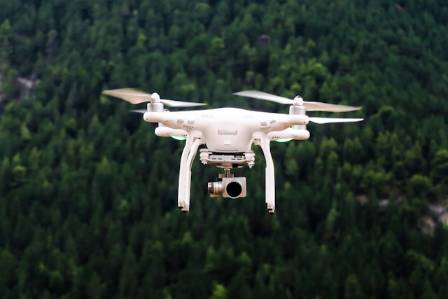
Essential Guidelines for Deploying Unmanned Aircraft in Public Infrastructure
Unmanned aircraft systems (UAS), commonly referred to as drones, have become transformative tools for municipal and government agencies nationwide. By providing access to high-risk or unreachable locations, these devices significantly reduce operational costs and time while enhancing personnel safety. Whether used for infrastructure inspections or geographic mapping, drones offer a level of efficiency that traditional methods cannot match. However, successfully integrating this technology requires a thorough understanding of the regulatory landscape and safety protocols.
LOG · en

Masterclass in One-Point Perspective: A Step-by-Step Urban Street Guide
Grasping the fundamentals of single-point perspective opens up a world of artistic possibilities. Once the core concept becomes clear, it serves as the foundation for creating everything from three-dimensional typography to complex optical illusions. This tutorial provides a comprehensive, stage-by-stage demonstration of how to construct a realistic street scene, designed to help this essential drawing technique finally "click" for artists of all ages.