
Wire dispatch
The God of the Marshes - The Red Crowned Crane
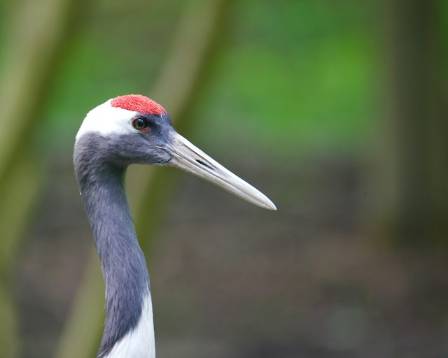
The graceful red-crowned crane, known for its dramatic black-and-white plumage and vivid red crown, has long represented happiness and longevity in Japanese culture. According to an old Japanese legend, these magnificent birds can live for 1,000 years. The crane has appeared throughout the art and traditional objects of ancient Japan, and its image remains deeply familiar today. It can be found on everything from chopsticks and food packaging to the aircraft of Japan’s national airline.
Selene Parker
Wire note
Signal tip
The full dispatch write-up continues below on the discovery terminal.
Channel
Discovery Wire
The graceful red-crowned crane, known for its dramatic black-and-white plumage and vivid red crown, has long represented happiness and longevity in Japanese culture. According to an old Japanese legend, these magnificent birds can live for 1,000 years. The crane has appeared throughout the art and traditional objects of ancient Japan, and its image remains deeply familiar today. It can be found on everything from chopsticks and food packaging to the aircraft of Japan’s national airline.
Yet despite its cultural importance, the red-crowned crane once came dangerously close to disappearing altogether and is still classified as an endangered species. Before exploring how this remarkable bird survived, it is worth taking a closer look at its appearance, behavior and way of life.
Appearance
It is difficult to think of a crane more striking than the “tancho,” the Japanese name commonly associated with the red-crowned crane. Its most recognizable feature is the bright red patch of bare skin on the top of its head. The intensity of this red area can change according to the bird’s mood, much like the way a chicken’s wattle can change in appearance.
The tancho is the largest species among all cranes. An adult can reach approximately 1.52 metres in height, which may be taller than many people, and can weigh between 7 and 10 kilograms. Its enormous wings are even more remarkable, stretching to an impressive 2.5 metres from tip to tip.
Song and Dance
Red-crowned cranes are famous not only for their appearance but also for their remarkable vocal displays and graceful movements.
When calling, the cranes raise their wings, point their heads toward the sky and produce their distinctive calls while their feathers flutter around them. Mated males and females perform coordinated duets as part of their bonding and courtship behavior. Once a pair has formed, they continue performing these duets throughout their lives.
The cranes also appear to engage in elaborate dancing when gathering with other members of their species. Their movements can look almost playful, with the birds swooping and diving using their huge, elegant wings. They stretch their long legs, stride proudly, flap their wings and rise and descend in a series of movements that resemble a graceful avian ballet.
Lifestyle
Red-crowned cranes are remarkably long-lived birds. In the wild, they can survive for around 30 to 40 years, while individuals living in captivity may reach approximately 70 years of age.
They are monogamous, meaning that pairs generally remain together for life. Reproduction is relatively slow, with a pair typically raising only one chick each year.
Habitat
Among the crane species, the red-crowned crane is particularly closely associated with water. It inhabits marshes, wetlands and grassy areas with plenty of moisture.
Its body is especially well suited to these environments. Long, slender legs allow the birds to move through wetlands, while their broad feet help them travel across soft marshland as well as snowy ground without sinking easily.
Diet
Red-crowned cranes search for food while wading through water and wetland habitats. Using their long bills, they pick food from the water, mud and vegetation.
Their diet includes shrimp, fish, worms, crustaceans and beetles. They also consume plant material such as reeds and grasses.

How the Red-Crowned Crane Became Endangered
This connection to wetlands brings us back to one of the greatest challenges facing the red-crowned crane: the loss of its natural habitat.
In 1924, only about 20 red-crowned cranes were known to remain in the marshes of eastern Hokkaido. During the early twentieth century, the species had been hunted almost to extinction. People killed the birds for their meat as well as for their striking feathers.
However, hunting was not the only serious danger. The destruction of marshes and other wetland habitats for agricultural development may have posed an even greater threat to the species. As their natural environment disappeared, the cranes lost the places they depended on for feeding, nesting and survival.
A Turning Point for the Cranes
For a time, the future of the red-crowned crane looked extremely bleak. Eventually, however, people in Japan recognized that immediate action was necessary if this iconic bird was to survive.
Kushiro Marsh in Hokkaido, one of the crane’s important habitats, was designated a Natural Monument in 1935. Protection of the birds was strengthened, and hunting red-crowned cranes was prohibited.
Another important step came in 1950, when local residents began providing food for the cranes during winter. Supplemental feeding gave younger birds a better chance of surviving the harsh colder months.
This tradition continues today. Farmers in Hokkaido still provide food for red-crowned cranes during winter, making local communities an important part of the species’ continuing recovery.
A Slow but Steady Recovery
With protection, habitat conservation and ongoing support from local people, red-crowned crane numbers have gradually begun to recover.
Today, around 1,000 cranes are found in Hokkaido, with approximately another 1,750 individuals living elsewhere around the world. Although the species remains endangered, its recovery demonstrates how conservation efforts and human cooperation can give a threatened animal another chance to survive.
More on the wire
LOG · en
Alpacas Unveiled: Fascinating Facts About the Andean Treasurers
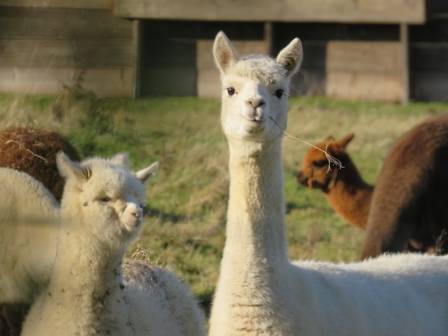
Alpacas, those fluffy, gentle creatures of the Andes, have captivated humans for millennia—not just for their luxurious fiber, but also for the rich myths and practical value that surround them. According to Peruvian folklore, their origin is intertwined with a tale of love, devotion, and a touch of human frailty: long ago, when gods and mortals walked together, an Andean goddess fell deeply in love with a human. Her father, initially disapproving, granted permission for her to descend to Earth on one condition: she must never abandon her beloved pet alpacas, and her human companion must remain tasked with caring for a tiny, precious alpaca at all times. The couple obeyed at first, but as time passed, the man grew lazy and set the small alpaca down. Panicked, the goddess fled back to the heavens, struggling to take her alpacas with her—yet she could not save them all. The few left behind on Earth became the ancestors of the alpacas we know today, bred and cherished by Peruvian herders for thousands of years. Beyond this enchanting legend lies a wealth of scientific facts that make alpacas one of the most unique and endearing animals on the planet. From their distinct breeds to their complex social lives and surprising adaptations, let’s dive into the fascinating world of alpacas.
LOG · en
Get to know toucans!
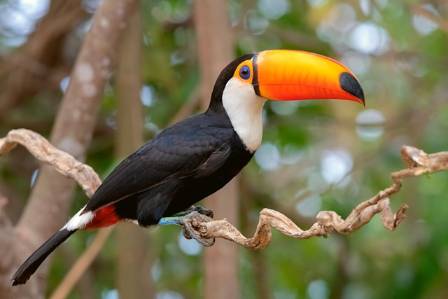
For the first time in more than 30 years, the San Diego Zoo successfully welcomed the arrival of toco toucan chicks. The zoo celebrated the hatching of two young toucans, which later left the nest in July 2017 after spending almost two months growing and developing. Today, the two birds live in the Parker Aviary habitat at the Zoo.
LOG · en

Tokyo Skytree
The Tokyo Skytree is a prominent broadcasting tower and one of Tokyo’s most recognizable landmarks. Located in the Sumida district near Asakusa, it serves as the centerpiece of Tokyo Skytree Town, a modern entertainment and shopping destination.
LOG · en

Black-Crowned Night Heron
The first Black-crowned Night Heron arrived with a serious wing and shoulder injury that occurred in the wild, leaving it unable to return to its natural habitat. It became part of the collection in 2016.
LOG · en

Smart Glasses: A New Generation of Wearable Technology
Smart glasses, also referred to as intelligent eyewear or smart lens devices, have emerged as a revolutionary product that combines advanced technology, practical functions, and modern design. In today’s rapidly changing digital world, these innovative glasses are transforming the way people interact with information and their surroundings.
LOG · en

Definitive Guide to Decorating Tables with Fresh Flowers
Matching flower varieties and colors to the table’s overall theme helps elevate the mood and visual harmony.