
Wire dispatch
Amazing Starfish Facts
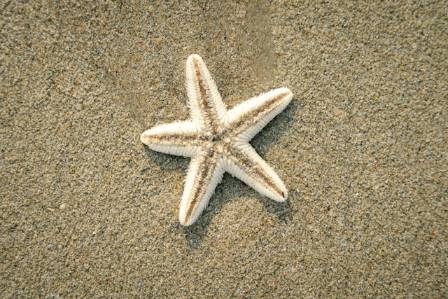
There are more than 2,000 known species of starfish, also called sea stars, living in oceans around the world. These unusual marine creatures come in an incredible variety of colours, shapes, and sizes, making them some of the most visually striking animals beneath the waves. Despite their simple appearance, starfish have a surprisingly complex and unique body structure. They have no brain or blood, yet they possess remarkable abilities, including digesting food outside their bodies.
Tristan Wolfe
Wire note
Signal tip
The full dispatch write-up continues below on the discovery terminal.
Channel
Discovery Wire
There are more than 2,000 known species of starfish, also called sea stars, living in oceans around the world. These unusual marine creatures come in an incredible variety of colours, shapes, and sizes, making them some of the most visually striking animals beneath the waves. Despite their simple appearance, starfish have a surprisingly complex and unique body structure. They have no brain or blood, yet they possess remarkable abilities, including digesting food outside their bodies.
Starfish Can Regrow Their Arms
One of the most impressive abilities of a starfish is its power to regenerate lost arms. This skill helps them survive dangerous situations, especially when they encounter predators. A starfish may lose an arm during an attack or intentionally detach part of its body as a way to escape.
Replacing a lost arm is a slow process and can take several months or even years to complete. However, if the separated arm remains healthy and contains the necessary parts, it can develop into a completely new starfish that is genetically identical to the original. This incredible survival ability makes starfish truly remarkable creatures.
Starfish Have No Brain or Blood
It may seem impossible for an animal to survive without a brain or blood, especially in the challenging conditions of the deep ocean. However, starfish have evolved unique methods that allow them to function effectively.
Instead of blood, they use seawater that circulates throughout their bodies. The water carries essential nutrients and helps their organs operate properly. This simple system eliminates the need for a complicated circulatory structure while ensuring they have a constant supply of the resources they need.
Although starfish do not have a brain, they are far from unintelligent. Their bodies are specially adapted to respond to their environment and survive successfully.
Starfish Have Strong, Protective Skin
The outer layer of a starfish is covered with a tough skin made from calcium carbonate. This hard material provides protection and makes it difficult for predators to break through their bodies.
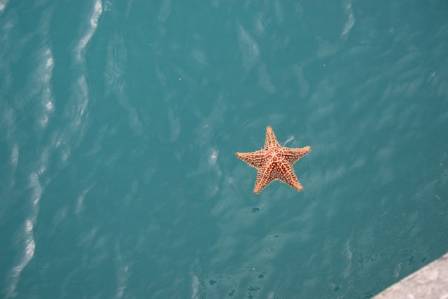
Some starfish species have developed additional defenses by growing small spines across their skin. These sharp structures act like natural armour, helping to discourage potential threats and providing extra protection from predators.
Starfish Have Eyes at the End of Their Arms
Considering that starfish lack a brain, blood, and a central nervous system, it may be surprising to learn that they actually have eyes.
Their eyes are located at the tips of their arms. While these simple eyes cannot produce detailed images like human eyes, they can detect changes in light and recognize different levels of brightness. This ability helps starfish understand their surroundings, locate food, and avoid possible dangers.
Starfish Move Using Hundreds of Tiny Feet
Starfish have hundreds of small tube feet located along the underside of their arms. These tiny structures allow them to move across rocks, sand, and other surfaces.
The movement system works by using seawater pressure inside the tube feet. When filled with water, the feet extend and create motion, allowing the starfish to travel more efficiently than many people would expect from such a slow-looking creature.
Starfish Can Digest Food Outside Their Bodies
Starfish have a very small mouth located on the underside of their body, which creates a challenge when eating larger prey. To overcome this limitation, they have developed a unique feeding method.
Their stomach can extend outside their body and begin digesting food before it enters their mouth. This allows them to break down larger meals into smaller pieces that can later be absorbed inside their bodies.
This unusual digestive ability allows starfish to feed on animals that would otherwise be too large to consume, including clams and oysters.
Not Every Starfish Has a Traditional Star Shape
Although most starfish have the familiar star-like appearance that gives them their name, there are some exceptions.
The cushion starfish, for example, has a rounded, soft-looking body rather than distinct arms. Despite its unusual shape, it still has all the characteristics that classify it as a starfish. Unlike many other species that hunt shellfish such as clams and oysters, cushion starfish usually feed on plants and organic debris, making them gentler members of the starfish family.
More on the wire
LOG · en

The Beach Chalet - A Coastal Log Home On The Ocean
This rustic log house has the inviting character of a chalet while combining comfort with stylish design. The entire space has been furnished and styled by an interior designer, giving the home a polished yet wonderfully relaxed feel.
LOG · en
Easy Sand Art for Beginners
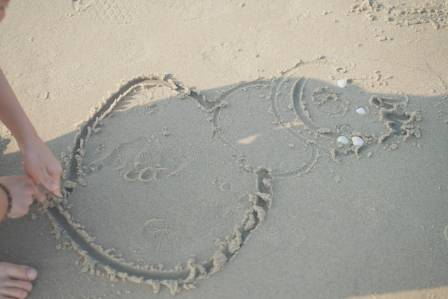
Have you ever wanted to make something eye-catching and original without dealing with complicated art tools? Sand art could be exactly what you're looking for. It’s an enjoyable and imaginative activity that lets you turn a plain surface into something special using simple materials. Even if you’ve never painted before, you can still create impressive results with a bit of practice. This beginner-friendly guide will walk you through making your own sand art using sand and acrylic paint on canvas.
LOG · en

The Best-Tested Slippers
Slippers are an essential part of any wardrobe, offering warmth, comfort, and support around the house. After testing 15 popular pairs by walking indoors, climbing stairs, and even stepping outside in cold weather, several standout options proved worthy for different needs and lifestyles.
LOG · en
The God of the Marshes - The Red Crowned Crane
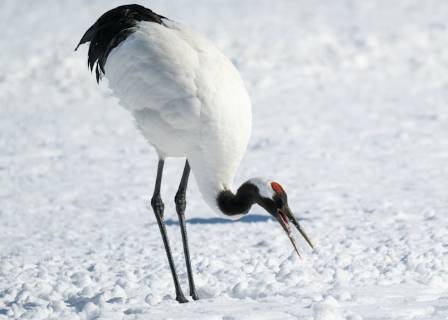
The graceful red-crowned crane, known for its dramatic black-and-white plumage and vivid red crown, has long represented happiness and longevity in Japanese culture. According to an old Japanese legend, these magnificent birds can live for 1,000 years. The crane has appeared throughout the art and traditional objects of ancient Japan, and its image remains deeply familiar today. It can be found on everything from chopsticks and food packaging to the aircraft of Japan’s national airline.
LOG · en

The Most Majestic: Discovering the Largest Brown Bear Ever Recorded
Bears come in several sizes and styles, but which species claims the title for the largest individual? While many might assume the brown bear takes the crown, coastally fed grizzlies can outsize their inland cousins. This article surveys the contenders for the largest brown bear on record, explores the species landscape, and explains how measurements are tracked by record-keepers.
LOG · en

A Beginner’s Guide to Hiking in the Desert
Great news! Your first desert trip is booked and marked on the calendar. As you start getting your hiking boots ready and daydreaming about red rock landscapes, it’s important to think about how a desert hike differs from trails in the mountains.