
Wire dispatch
Chinese Folding Fan: Elegance and Heritage
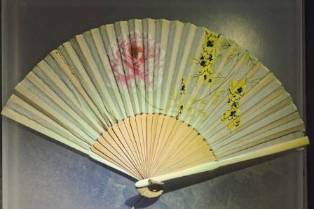
The Chinese folding fan is far more than a simple accessory; it represents refinement, beauty, and a profound cultural legacy. Celebrated for both its artistic detail and practical function, the fan has a long history spanning thousands of years. Whether used to provide relief from summer heat or displayed in ceremonial settings, it has consistently held an important place in Chinese life.
Adrian Voss
Wire note
Signal tip
The full dispatch write-up continues below on the discovery terminal.
Channel
Discovery Wire
The Chinese folding fan is far more than a simple accessory; it represents refinement, beauty, and a profound cultural legacy. Celebrated for both its artistic detail and practical function, the fan has a long history spanning thousands of years. Whether used to provide relief from summer heat or displayed in ceremonial settings, it has consistently held an important place in Chinese life.
This article explores the origins, craftsmanship, symbolic meaning, and cultural role of the Chinese folding fan, while also examining its transformation over time and its continued relevance in the modern world.

The History of the Chinese Folding Fan
Origins of the Folding Fan in China
The origins of the folding fan can be traced back to the Han Dynasty (206 BCE–220 CE). Early versions were created primarily for cooling purposes during warm seasons. Unlike contemporary designs, these fans were made from natural materials such as bamboo, silk, and paper.
It is believed that folding fans evolved from earlier fan types used by elite members of society as symbols of status. Over time, their use expanded, and they became associated with scholars, aristocrats, and cultural figures.
The Evolution of the Folding Fan
Although initially practical, folding fans gradually took on artistic and symbolic roles. By the Tang Dynasty (618–907 CE), they had become fashionable items and were often used by intellectuals and artists.
During the Song Dynasty (960–1279 CE), fans became common in everyday life for both men and women. This period saw the rise of elaborately decorated fans featuring landscapes, floral motifs, and calligraphy.
By the Ming and Qing Dynasties (1368–1912), folding fans were deeply embedded in cultural traditions. They were exchanged as gifts, used in ceremonies, and incorporated into artistic performances, symbolizing refinement and cultural sophistication.
Craftsmanship and Design of the Chinese Folding Fan
Materials Used in Crafting Chinese Folding Fans
The uniqueness of Chinese folding fans lies in their meticulous craftsmanship. Typically, bamboo is used for the frame due to its strength and flexibility, while silk, paper, or fabric forms the surface.
Common materials include:
Silk: valued for its smooth texture and vivid colors, often used for painting.
Paper: more affordable and widely used in daily life or as gifts.
Fabric: durable and similar in appearance to silk.
The combination of these materials creates a balance between durability and visual elegance.
Design Elements of the Chinese Folding Fan
The appeal of these fans comes from the detailed imagery applied to their surfaces. Designs often carry symbolic meanings and draw inspiration from nature, literature, and history.
Typical motifs include:
Landscapes depicting mountains, rivers, and gardens, symbolizing harmony.
Floral imagery such as peonies, chrysanthemums, and lotus flowers, each with symbolic associations.
Calligraphy featuring poetry or philosophical text.
Mythical creatures like dragons and phoenixes, representing power and renewal.
Each fan becomes a small but meaningful artistic composition.
The Role of Artisans in Fan Crafting
Creating a high-quality folding fan requires precision, patience, and artistic skill. Craftspeople must master both structural assembly and decorative techniques. Painting on silk or paper demands control and familiarity with traditional artistic practices, while calligraphy adds further cultural depth.
Although modern production methods exist, handcrafted fans remain highly valued, and the skills required to produce them continue to be passed down through generations.
Symbolism and Cultural Significance
The Symbolic Meaning of Chinese Folding Fans
Chinese folding fans carry rich symbolic meaning. Every color, motif, and inscription conveys ideas tied to culture, philosophy, and social values.
For instance, red is associated with happiness and good fortune, while certain floral or mythical designs express prosperity, purity, or harmony.
Common symbolic elements include:
Peony: wealth and beauty.
Lotus: purity and spiritual growth.
Dragon: strength and good fortune.
Phoenix: elegance and renewal.
Fans were often gifted during important life events to express well wishes and positive intentions.
The Role of Fans in Social and Ceremonial Life
In historical China, folding fans were integral to social interaction and artistic expression.
In performance arts such as opera and dance, fans enhanced storytelling through movement and gesture.
In social contexts, fans reflected personal taste, education, and status. Presenting a finely decorated fan was a sign of cultural refinement.
Even today, the fan remains a meaningful cultural symbol.
The Chinese Folding Fan in Modern Times
Evolution in Contemporary Society
While rooted in tradition, folding fans have adapted to modern life. They are now appreciated more as artistic and collectible objects than everyday tools. Many people value them for their craftsmanship and historical significance.
Folding fans also appear in fashion and interior design, contributing elegance to clothing, accessories, and decorative spaces.
Role in Festivals and Celebrations
Folding fans continue to play a role in cultural celebrations. During festivals such as Chinese New Year or the Mid-Autumn Festival, fan dances and performances are common. These activities symbolize joy, prosperity, and unity.
Fans are also associated with weddings, where they represent harmony and shared happiness.
The Global Appeal of the Chinese Folding Fan
International Influence
The influence of Chinese folding fans has spread worldwide. In Japan, folding fans developed into a similar form known as sensu, while in Western countries they are often appreciated as artistic and decorative objects.
Collectors and enthusiasts value them not only for their beauty but also for their connection to Chinese cultural history.
Presence in Fashion and Popular Culture
Folding fans frequently appear in fashion, film, and performance. Designers incorporate them into runway presentations, and they are commonly used as props in visual media. Their association with elegance and cultural depth contributes to their enduring appeal.
The Art of Collecting Chinese Folding Fans
Popularity of Collecting
Collecting folding fans has become a popular pursuit. Enthusiasts seek pieces that reflect historical periods, artistic styles, or specific themes. These objects are valued for both their aesthetic qualities and their cultural significance.
How to Begin a Collection
Those interested in collecting should learn about materials, historical context, and craftsmanship. Fans featuring detailed artwork or calligraphy are particularly desirable.
Condition and authenticity are also important considerations, especially for antique pieces. Collectors can acquire fans through auctions, antique stores, or cultural events.

Conclusion: The Enduring Legacy of the Chinese Folding Fan
The Chinese folding fan remains a lasting symbol of elegance, artistry, and cultural identity. From its early practical uses to its role as a decorative and symbolic object, it has maintained its importance throughout history.
Today, it continues to be admired both within China and internationally. Its detailed craftsmanship, meaningful symbolism, and cultural depth make it more than a simple object—it is a representation of a rich artistic tradition.
Whether appreciated as a collectible, used in performance, or admired for its beauty, the Chinese folding fan continues to embody a timeless cultural legacy that endures across generations.
More on the wire
LOG · en

The Ultimate Mattress Buying Guide: 16 Essential Questions for Better Sleep
Selecting a new mattress is a significant investment that directly impacts your quality of life. Given that you will spend roughly one-third of your time on this surface, finding a balance between support, comfort, and lifestyle compatibility is vital. To navigate the vast market effectively, you must evaluate your specific needs and preferences before making a purchase.
LOG · en

Rocky Coast Landforms
The powerful waves and crashing surf along rocky shorelines have fascinated ocean enthusiasts for centuries. These coastal areas are shaped mainly by erosion and are commonly found along active continental margins with narrow continental shelves created through tectonic activity such as subduction.
LOG · en

Alpacas Unveiled: Fascinating Facts About the Andean Treasurers
Alpacas, those fluffy, gentle creatures of the Andes, have captivated humans for millennia—not just for their luxurious fiber, but also for the rich myths and practical value that surround them. According to Peruvian folklore, their origin is intertwined with a tale of love, devotion, and a touch of human frailty: long ago, when gods and mortals walked together, an Andean goddess fell deeply in love with a human. Her father, initially disapproving, granted permission for her to descend to Earth on one condition: she must never abandon her beloved pet alpacas, and her human companion must remain tasked with caring for a tiny, precious alpaca at all times. The couple obeyed at first, but as time passed, the man grew lazy and set the small alpaca down. Panicked, the goddess fled back to the heavens, struggling to take her alpacas with her—yet she could not save them all. The few left behind on Earth became the ancestors of the alpacas we know today, bred and cherished by Peruvian herders for thousands of years. Beyond this enchanting legend lies a wealth of scientific facts that make alpacas one of the most unique and endearing animals on the planet. From their distinct breeds to their complex social lives and surprising adaptations, let’s dive into the fascinating world of alpacas.
LOG · en

Moose: The Largest Deer Species in the World
Moose are the largest members of the deer family.
LOG · en
Owl Eyes Unveiled: Nature’s Nocturnal Marvels
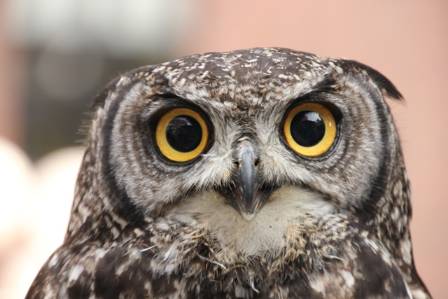
What gives owls their trademark intense gaze? Unlike most birds, both of an owl’s eyes sit on the front of the head, creating a powerful, human-like depth perception known as binocular vision. This setup helps them zero in on prey with remarkable precision. In fact, among all birds, owls have some of the most forward-facing eyes. But their ocular superiority doesn’t stop there. Unlike us, owls possess a hidden layer of protection — a translucent third eyelid, called a nictitating membrane, which sweeps across their eyes from the inner corner. This shield guards their vision during high-speed dives and close encounters.
LOG · en
Famous Embroidery Styles Globally
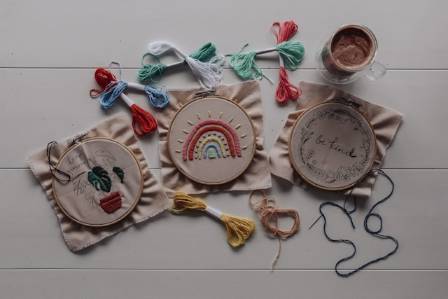
Embroidery is more than just crafting intricate patterns and attractive designs. It’s an art form that conveys history and culture simply through its appearance.